
Compare models

Google Pixel 10a Vs iPhone 15

  • 1-year minimum warranty
  • Free delivery on all items
  • Free 30-day returns
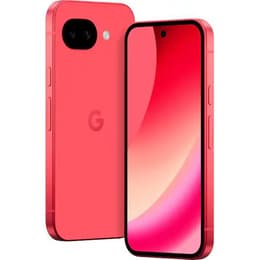
Google Pixel 10a
Starting at

Refurbished price:£330.00

Versus £500.00 new

See options
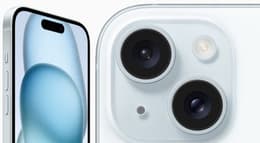
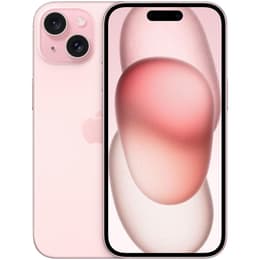
iPhone 15
Starting at

Refurbished price:£347.00

Versus £699.00 new

See options

Differences at a glance

The Google Pixel 10a (2026) and the Apple iPhone 15 (2023) represent two distinct approaches to everyday smartphone design, operating systems, and core user experiences. While the Google Pixel 10a runs on the customizable Android ecosystem with a focus on deep software assistance, the iPhone 15 utilizes Apple's streamlined iOS platform wrapped in a sleek aluminum and glass housing. Choosing between them largely depends on whether you prefer Google's adaptive interface or Apple's tightly integrated device ecosystem.

Available Models

Colour

Storage (GB)

Scores

Durability

Both smartphones provide robust long-term usability, though they follow different release timelines and software update pathways. Here is how their durability and support compare:

  • Software Support: The Google Pixel 10a launches with extended update commitments spanning multiple major operating system upgrades, whereas the iPhone 15 benefits from Apple's traditionally long historical support window for iOS.
  • Build Integrity: Both devices feature water and dust resistance alongside hardened glass fronts, though their back panel materials differ between matte composite and color-infused glass.
  • Repairability: Both manufacturers offer structured repair channels and service documentation, supporting a long operational lifespan when choosing a quality-assured refurbished option.

Year of Release

2026

2023

Compatible with latest Update

Yes

Yes

OS

Android

iOS

Foldable

No

No

Performance

Day-to-day operation relies on different hardware configurations that handle multitasking, app launching, and system fluidity in distinct ways. Consider these performance factors:

  • App Responsiveness: Both devices handle daily productivity tasks, web browsing, and demanding mobile games smoothly without noticeable stutter during normal workflows.
  • Multitasking Handling: The generous RAM allocation on the Google Pixel 10a assists with keeping multiple background apps active, while the iPhone 15 manages system memory efficiently through close hardware-software integration.
  • Battery Behavior: The Google Pixel 10a houses a high-capacity battery designed to comfortably clear a full day of mixed use, whereas the iPhone 15 relies on power-efficient hardware management to sustain its daily charge.

Screen quality

Display technology defines how comfortable media consumption, reading, and outdoor viewing will be on each device. Key visual differences include:

  • Panel Technology: The Google Pixel 10a features a vibrant pOLED display with deep contrast levels, matching the sharp Super Retina XDR OLED panel found on the iPhone 15.
  • Refresh Rate: The Google Pixel 10a supports a high refresh rate up to 120Hz for fluid scrolling, while the iPhone 15 utilizes a standard 60Hz refresh rate.
  • Outdoor Visibility: Both screens reach high peak brightness thresholds, ensuring legibility under direct sunlight or bright ambient lighting conditions.

Resolution

1080x2424

1179 x 2556

Audiovisual

Photography and media capture capabilities vary based on sensor processing and lens configurations. Notable audio-visual differences consist of:

  • Camera Systems: Both devices utilize dual rear camera layouts featuring high-resolution main sensors paired with ultra-wide lenses for versatile framing.
  • Low-Light Processing: Google's computational photography excels at balancing high-contrast night scenes, while Apple's imaging pipeline focuses on natural skin tones and consistent exposure.
  • Media Output: Stereo speakers on both models deliver clear audio output for hands-free calls, video streaming, and casual music playback.

Front camera

13MP

12 megapixels

Miscellaneous

Practical daily usability is shaped by physical dimensions, connectivity standards, and hardware ports. Essential everyday elements include:

  • Port Standards: Both smartphones utilize universal USB-C connectivity for charging and wired data transfers.
  • Security Sensors: The Google Pixel 10a relies on an in-screen fingerprint scanner and facial recognition, whereas the iPhone 15 exclusively uses secure facial recognition technology.
  • Handling and Weight: Both phones offer comfortable ergonomics with similar 6.1 to 6.3-inch form factors that fit easily into pockets and small bags.

Weight

183 g

171 g

Screen size (in)

6.3

6.1

Mobile network

5G

5G

SIM card

Physical SIM + eSIM

Physical SIM + eSIM

Carrier compatibility

Unlocked

Unlocked

Connector

USB-C

USB-C

What the community thinks

Community discussions and user feedback indicate that the Google Pixel 10a receives praise for its fluid display refresh rate, clean interface, and dependable battery longevity, though some users note that its camera bump design stands out quite a bit. Meanwhile, the iPhone 15 earns appreciation for its solid build quality, intuitive operating system, and seamless integration with other Apple hardware, though frequent travelers occasionally mention wishing for faster charging speeds.

Users prioritizing deep software customization, a high refresh rate screen, and Google's assistive features may prefer the Pixel 10a. Conversely, users prioritizing long-term iOS familiarity, ecosystem continuity, and compact ergonomics will likely lean toward the iPhone 15. For those looking to make a sustainable choice, exploring a quality-assured refurbished model serves as an eco-friendly alternative that reduces electronic waste while delivering reliable daily performance.