
Compare models
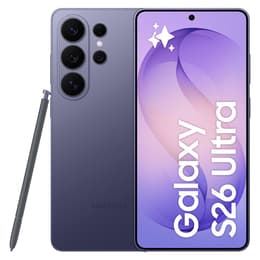
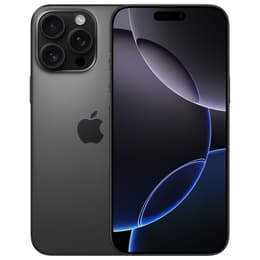
Galaxy S26 Ultra Vs iPhone 16 Pro Max
- 1-year minimum warranty
- Free delivery on all items
- Free 30-day returns
Differences at a glance
The Samsung Galaxy S26 Ultra (2026) and the Apple iPhone 16 Pro Max (2024) represent the pinnacle of modern smartphone engineering, offering top-tier hardware and expansive displays for mobile users. While they operate on different software ecosystems, both devices cater to individuals seeking high-end performance, sophisticated camera capabilities, and large screens for productivity and entertainment. The main differentiators between the two lie in their operating systems, stylus support, and distinct camera processing philosophies, making each device uniquely suited to different user preferences.
Available Models
Colour
Storage (GB)
Scores
Durability
When evaluating the lifespan and support cycles of the Galaxy S26 Ultra and the iPhone 16 Pro Max, both devices are built to remain functional and secure for many years of daily use.
- Software Support Duration: Both manufacturers provide long-term operating system updates and security patches that typically span multiple years, ensuring the devices stay current with feature updates and security standards.
- Repairability and Build: Both smartphones utilize durable materials like titanium frames and reinforced glass fronts, while featuring modular internal designs that facilitate professional repairs when components eventually experience wear.
- Expected Practical Lifespan: Thanks to powerful internal processors and generous memory capacities, both models are equipped to handle demanding future software updates without a noticeable decline in daily operational speed.
Year of Release
2026
2024
Compatible with latest Update
Yes
Yes
Foldable
No
No
Performance
Both the Galaxy S26 Ultra and the iPhone 16 Pro Max deliver exceptionally smooth system responsiveness, easily handling heavy multitasking, intensive gaming, and demanding applications without stuttering.
- Multitasking and Memory: Generous random access memory allocations on both devices allow multiple resource-intensive apps to run concurrently in the background without requiring frequent reloading.
- Battery Behavior: Both models feature large battery capacities designed to easily sustain a full day of mixed usage, though heavy navigation or prolonged video recording will require an evening charge for both.
- Storage Configurations: Multiple internal storage tiers are available on both models, accommodating large libraries of photos, offline media, and large document files without running out of space.
Screen quality
The Galaxy S26 Ultra and the iPhone 16 Pro Max feature large, vibrant OLED displays that deliver exceptional clarity, deep contrast levels, and rich color reproduction for media consumption.
- Display Technology and Smoothness: Both devices utilize advanced panel technology with high refresh rates, ensuring that scrolling through web pages and animations appear fluid and responsive.
- Outdoor Visibility: Exceptional peak brightness levels on both screens allow for clear readability and comfortable viewing even under direct sunlight outdoors.
- Screen Real Estate: Expansive screen sizes paired with minimal bezels provide an immersive viewing experience, whether users are watching videos, reading documents, or managing spreadsheets.
Resolution
1440 x 3120
1320 x 2868
Audiovisual
Equipped with sophisticated multi-lens systems, both the Galaxy S26 Ultra and the iPhone 16 Pro Max excel at capturing detailed photographs and smooth, professional-grade videos across various lighting conditions.
- Versatile Lens Arrays: Both devices offer ultra-wide lenses and high-resolution main sensors, while the Galaxy S26 Ultra incorporates dedicated long-range zoom capabilities compared to the iPhone's telephoto setup.
- Video Recording Quality: Both models support high-definition video capture with advanced stabilization features, making them reliable tools for recording steady home videos or professional content.
- Audio and Media Output: Stereo speaker systems on both smartphones deliver clear, balanced sound output for hands-free calls, podcasts, and casual video playback without requiring external speakers.
Front camera
12.0
12 megapixels
Miscellaneous
Practical daily usability is heavily influenced by physical dimensions, connectivity standards, and biometric security features present on both flagship devices.
- Connectivity and Ports: Both models support current-generation 5G networks, fast Wi-Fi standards, and utilize universal USB-C ports for charging and wired data transfers.
- Biometrics and Security: Secure facial recognition is standard on the iPhone 16 Pro Max, while the Galaxy S26 Ultra offers both facial recognition and an ultrasonic fingerprint sensor embedded beneath the display.
- Physical Handling: Large dimensions and sturdy metal-and-glass builds mean both devices have a substantial footprint in the hand and pocket, though the Galaxy S26 Ultra includes an integrated stylus for note-taking.
Weight
214 g
227 g
Screen size (in)
6.9
6.9
Mobile network
5G
5G
SIM card
Dual Physical SIM + eSIM
Physical SIM + eSIM
Carrier compatibility
Unlocked
Unlocked
Connector
USB-C
USB-C (USB 3)
What the community thinks
Choosing between the Galaxy S26 Ultra and the iPhone 16 Pro Max largely depends on personal preference for operating systems and specific hardware features. Users prioritizing an integrated stylus for productivity and versatile long-range zoom photography often lean toward the Galaxy S26 Ultra. Conversely, users who prefer the intuitive ecosystem integration and straightforward video workflows of iOS frequently gravitate toward the iPhone 16 Pro Max. Real-world feedback highlights both devices for their reliable battery life, premium build quality, and powerful daily performance, though some users note that their large physical sizes can feel cumbersome in smaller hands.
For those looking for an eco-friendly alternative, choosing a quality-assured refurbished option provides a sustainable way to access these high-end features while reducing electronic waste. Ultimately, both smartphones offer robust capabilities that satisfy demanding everyday requirements, allowing buyers to select based on their preferred software environment and daily workflow habits.