

Smartphones
Compare models
Differences at a glance
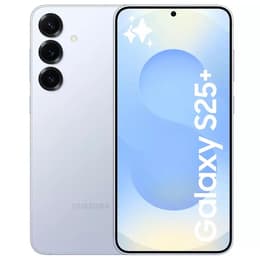
The Samsung Galaxy S25 Plus, released in early 2025, and the Oppo Find X5 Pro, launched in early 2022, represent different generations of flagship Android smartphones. While both devices offer premium experiences, the Galaxy S25 Plus benefits from more recent technological advancements, particularly in processing power and software longevity. The Oppo Find X5 Pro, however, stands out with its unique design and rapid charging capabilities.
Colour
Storage
When considering the long-term usability of these devices, their respective release timelines and software support policies are key factors. The Galaxy S25 Plus, being a newer device, offers a significantly extended support period compared to the Oppo Find X5 Pro.
Year of Release
OS
Foldable
Performance is a critical aspect for any smartphone, influencing everything from daily tasks to demanding applications. The three-year gap between these models results in notable differences in their processing capabilities and overall system responsiveness.
The visual experience is paramount for smartphone users, and both the Galaxy S25 Plus and the Oppo Find X5 Pro deliver high-quality displays, though with some distinctions in their underlying technology and characteristics.
Resolution
For many users, the camera system is a primary consideration, and both the Galaxy S25 Plus and the Oppo Find X5 Pro offer advanced photographic capabilities, each with its own strengths and imaging philosophies.
Beyond the core features, several practical elements contribute to the overall user experience, from connectivity to physical design and handling.
Weight
Screen size (in)
Mobile network
SIM card
Carrier compatibility
Connector
The Samsung Galaxy S25 Plus and the Oppo Find X5 Pro cater to users with distinct priorities, largely influenced by their respective release years and the technological advancements that have occurred in the interim. The Galaxy S25 Plus is frequently praised for its commitment to long-term software support, offering seven years of updates that ensure its relevance and security for an extended period. Users also appreciate its cutting-edge processor, which delivers smooth performance across demanding applications and advanced AI features. Its display is noted for its high brightness, making it highly visible in various lighting conditions. Some common criticisms for newer Samsung flagships can sometimes revolve around incremental camera upgrades compared to previous generations, though the S25 Plus still offers a capable and versatile system.
The Oppo Find X5 Pro, despite being an older model, garners praise for its distinctive ceramic design, which many find aesthetically pleasing and comfortable to hold. Its fast wired and wireless charging speeds are frequently highlighted as a significant convenience, allowing for quick power-ups. User feedback often points to its main and ultra-wide cameras, enhanced by the MariSilicon X NPU and Hasselblad collaboration, as delivering excellent image quality, particularly in challenging low-light scenarios. A frequent criticism, however, is its 2x telephoto lens, which some users found less capable than those on competing devices at its release, limiting its zoom versatility. Its shorter software support window compared to newer flagships is also a consideration for those seeking maximum longevity.
Users prioritizing the absolute latest performance, the longest software support, and a robust, modern Android experience will find the Samsung Galaxy S25 Plus well-suited to their needs. Its extended update policy makes it a compelling choice for those who prefer to keep their devices for many years. Conversely, users who value a unique design, exceptionally fast charging, and a strong main camera system for everyday and low-light photography, and who are comfortable with a shorter software update cycle, may lean towards the Oppo Find X5 Pro. Both devices, whether new or as a quality-assured refurbished option, offer distinct advantages depending on individual user preferences and usage patterns.