Compare models
Galaxy S26 Ultra Vs iPhone 17 Pro
- 1-year minimum warranty
- Free delivery on all items
- Free 30-day returns
Differences at a glance
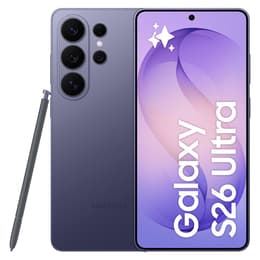
The Samsung Galaxy S26 Ultra (2026) and the Apple iPhone 17 Pro (2025) represent the pinnacle of current mobile technology, offering cutting-edge features for mobile users. While both devices serve as high-performance flagships, they differ fundamentally in their operating systems, hardware ecosystems, and physical design philosophies. The Galaxy S26 Ultra runs on Android with Samsung's custom interface and includes built-in stylus functionality, whereas the iPhone 17 Pro operates on iOS with deep integration into the Apple ecosystem. Understanding these core differences helps users determine which device best aligns with their daily digital habits.
Available Models
Colour
Storage (GB)
Scores
Durability
When evaluating long-term usability and support, both manufacturers provide robust software update commitments that ensure the devices remain secure and current for years.
- Software Support: Both devices benefit from multi-year commitments of operating system upgrades and security patches, extending their functional lifespan well past release.
- Repairability and Build: Both flagships utilize reinforced glass and titanium or advanced metal alloys, though repair accessibility varies by regional service networks and component availability.
- Practical Lifespan: Users can expect consistent operational speed and battery health retention over several years of standard daily use, making a quality-assured refurbished option a sustainable choice for long-term ownership.
Year of Release
2026
2025
Performance
Underneath the exterior, both devices deliver exceptional processing power designed to handle intensive applications, multitasking, and high-end gaming without stuttering.
- Multitasking and Responsiveness: Generous RAM configurations and advanced processing hardware allow seamless switching between demanding apps, photo editing suites, and resource-heavy games.
- Storage and Battery Management: Multiple storage tiers accommodate large media libraries, while adaptive power management ensures that the battery lasts through a full day of mixed work and entertainment tasks.
- System Fluidity: Background processes operate efficiently, maintaining high responsiveness even under sustained workloads and heavy network usage.
Screen quality
Visual immersion is a primary focus for both manufacturers, utilizing advanced display technologies to deliver sharp, bright, and fluid viewing experiences.
- Display Technology: Both models feature vibrant OLED panels that produce deep blacks, high contrast ratios, and vivid color accuracy for media consumption and reading.
- Brightness and Outdoor Legibility: Peak brightness levels ensure content remains clearly visible even under direct sunlight, reducing eye strain during outdoor navigation.
- Refresh Rate and Smoothness: High adaptive refresh rates provide fluid scrolling through web pages and animations while conserving power during static viewing tasks.
Audiovisual
The imaging and audio systems on these flagships cater to both casual photographers and multimedia enthusiasts looking for versatile capture and playback tools.
- Camera Array Versatility: Multi-lens setups combine high-resolution primary sensors, ultra-wide lenses, and dedicated telephoto zoom options to handle diverse photographic conditions from landscapes to close-ups.
- Low-Light and Video Performance: Advanced sensor hardware and stabilization features produce clear low-light photographs and smooth, professional-grade video recordings with reliable audio capture.
- Media and Audio Output: Stereo speaker configurations deliver balanced sound output for hands-free calls, podcasts, and casual video viewing without external speakers.
Miscellaneous
Practical everyday features, connectivity standards, and physical ergonomics shape how comfortable each device feels during daily use.
- Connectivity and Ports: Both devices support rapid 5G networks, modern Wi-Fi standards, and Bluetooth, utilizing universal connector ports for charging and wired data transfer.
- Security and Sensors: Secure biometric authentication methods, including facial recognition and in-display fingerprint sensors, provide quick and safe device unlocking.
- Ergonomics and Design: Distinct physical dimensions and weight distributions mean that users with different handling preferences will notice variations in pocketability and one-handed reach.
Screen size (in)
6.9
6.3
Mobile network
5G
5G
SIM card
Dual Physical SIM + eSIM
Physical SIM + eSIM
Carrier compatibility
Unlocked
Unlocked
Connector
USB-C
USB-C
What the community thinks
User discussions across community forums highlight distinct preferences for each flagship device. Owners of the Galaxy S26 Ultra frequently praise its expansive display, versatile multi-lens zoom capabilities, and the productivity benefits of the integrated stylus. Conversely, iPhone 17 Pro users often emphasize the seamless software ecosystem, reliable video recording quality, and efficient app optimization. Common criticisms for both models generally center on their large physical footprints and the substantial financial investment required for brand-new retail units.
Users prioritizing multitasking flexibility, extensive zoom photography, and stylus input will find the Galaxy S26 Ultra well-suited to their workflow. Meanwhile, users prioritizing streamlined operating system integration, video production tools, and long-term ecosystem synergy may lean toward the iPhone 17 Pro. Selecting between these two devices ultimately depends on personal preference for software environments and specific hardware utilities. For consumers seeking an eco-friendly alternative, exploring a quality-assured refurbished option allows access to these advanced features while supporting sustainable consumption habits.