Compare models
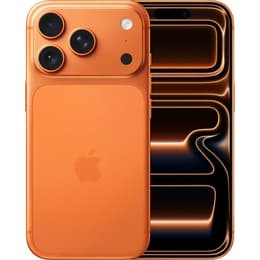
iPhone 16 Vs iPhone 17 Pro
- 1-year minimum warranty
- Free delivery on all items
- Free 30-day returns
Differences at a glance
The iPhone 16 (2024) and iPhone 17 Pro (2025) represent different tiers within Apple's smartphone lineup, featuring distinct design approaches and technological capabilities. While the standard model focuses on delivering core functionality for everyday communication and media consumption, the professional model integrates advanced materials and enhanced processing architecture. Both devices run on iOS, providing a familiar interface and software ecosystem, but they cater to distinct technical requirements and user workflows.
Available Models
Colour
Storage (GB)
Scores
Durability
When evaluating the long-term viability of these devices, differences in release schedules and structural engineering influence how long each model maintains optimal utility.
- Software support timeline: Both smartphones receive extended operating system updates, though the later release date of the professional model extends its overall support window by an extra year.
- Build composition: The professional model incorporates a titanium frame and ceramic shield protection designed to withstand daily wear, whereas the standard model utilizes an aluminum chassis with glass panels.
- Repair availability: Both devices benefit from standardized component access, ensuring that battery replacements and screen repairs remain straightforward throughout their operational lifespan.
Year of Release
2024
2025
Performance
Processing capabilities and power management vary significantly between these two models, shaping how they handle demanding applications and daily multitasking.
- App execution and multitasking: The professional variant utilizes advanced thermal management and a higher-tier processor architecture that maintains high frame rates during demanding gaming sessions, while the standard model handles everyday navigation and standard productivity apps smoothly.
- Battery endurance: The larger physical footprint of the professional model accommodates a higher-capacity power cell that sustains long periods of media playback, whereas the standard model requires more frequent charging under heavy daily loads.
- Storage configurations: Both models offer scalable storage tiers, with the professional option starting at higher baseline capacities to accommodate large local media libraries and extensive file caching.
Screen quality
Visual output and display responsiveness differ noticeably, affecting outdoor readability and overall media interaction.
- Display refresh rate: The professional model features an adaptive refresh rate that scales up for fluid scrolling and down for static content, while the standard model utilizes a fixed refresh rate.
- Peak outdoor brightness: Both devices reach high luminescence levels for clear visibility in direct sunlight, though the professional panel achieves slightly higher maximum brightness thresholds.
- Panel technology: Both utilize vibrant OLED screens with deep contrast ratios and accurate color reproduction, housed in identical diagonal display dimensions for comfortable media viewing.
Audiovisual
Imaging capabilities and acoustic performance diverge based on the hardware configurations built into each chassis.
- Optical zoom versatility: The professional variant includes a dedicated telephoto lens alongside the main and ultra-wide sensors, allowing for close-up framing without digital degradation, whereas the standard model relies on dual-lens configurations.
- Low-light capture: Larger sensor footprints on the professional model gather more ambient light during evening photography, while the standard model provides dependable clarity for casual snapshots.
- Audio recording fidelity: Both models integrate studio-quality microphone arrays for clear voice calls and video sound capture, paired with stereo speakers that deliver balanced sound output for media playback.
Miscellaneous
Physical dimensions, connectivity standards, and daily handling characteristics differ between the two choices.
- Weight and physical handling: The standard model offers a lighter footprint that reduces hand fatigue during extended one-handed use, whereas the professional model carries additional weight due to its more complex camera hardware and metal construction.
- Data transfer speeds: The professional model supports high-speed wired data transfer protocols through its physical port, while the standard model utilizes standard transfer speeds suitable for everyday synchronization.
- Biometric security: Both devices rely on facial recognition technology for secure authentication and fast unlocking.
Screen size (in)
6.1
6.3
Mobile network
5G
5G
SIM card
Physical SIM + eSIM
Physical SIM + eSIM
Carrier compatibility
Unlocked
Unlocked
Connector
USB-C (USB 2)
USB-C
What the community thinks
User feedback from online communities highlights distinct preferences for each device based on daily habits. Owners of the standard model frequently praise its lightweight design and reliable daily performance for messaging, web browsing, and casual media consumption. Conversely, users of the professional model often emphasize appreciation for the versatile multi-lens camera setup, high-refresh-rate display fluidity, and sustained processing speeds during intensive tasks. Common discussions also note that the professional variant can feel heavier in the pocket, while the standard model occasionally requires mid-day power replenishment under heavy use.
Users prioritizing a lightweight device for straightforward daily communication may prefer the standard model, while users prioritizing advanced photographic options and maximum processing capability lean toward the professional variant. For those considering an eco-friendly, quality-assured alternative, opting for a certified refurbished version of either device provides a sustainable way to access these technologies while reducing electronic waste. Choosing between them depends entirely on balancing physical handling preferences against specific workflow requirements.