
Compare models

Google Pixel 10 Pro Vs iPhone 17 Pro

  • 1-year minimum warranty
  • Free delivery on all items
  • Free 30-day returns
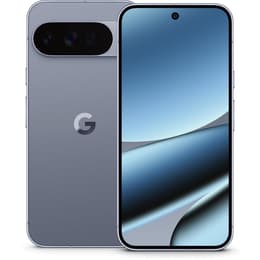
Google Pixel 10 Pro
Starting at

Refurbished price:£443.00

Versus £1,195.69 new

See options
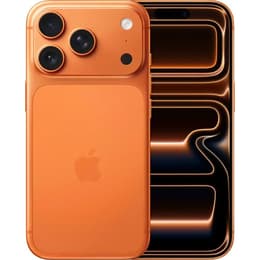
iPhone 17 Pro
Starting at

Refurbished price:£811.00

Versus £1,099.00 new

See options

Differences at a glance

The Google Pixel 10 Pro (2025) and the iPhone 17 Pro (2025) represent the pinnacle of mobile technology from two major ecosystem leaders. While both smartphones feature compact yet expansive 6.3-inch displays and premium pro-grade builds, they cater to distinct software preferences through their use of Android and iOS respectively. Choosing between them often comes down to personal operating system preference and specific daily workflow needs.

Available Models

Colour

Storage

Scores

Durability

Both smartphones offer robust durability and long-term viability, though their software update frameworks and build materials approach longevity from different angles.

  • Software Support and Updates: The Google Pixel 10 Pro runs on Android and benefits from Google's commitment to multi-year operating system updates, while the iPhone 17 Pro operates on iOS with Apple's traditional long-term support cycle.
  • Build and Repairability: Both devices incorporate sturdy aluminum frames and reinforced glass fronts designed to withstand daily wear, alongside high-level water and dust resistance ratings.
  • Expected Lifespan: Both models provide sufficient hardware headroom and battery longevity to remain fully functional for many years of intensive daily use.

Year of Release

2025

2025

Compatible with latest Update

Yes

Yes

OS

Android

iOS

Foldable

No

No

Performance

Performance capabilities on both devices handle intensive workloads with ease, ensuring smooth operation across demanding applications and heavy multitasking scenarios.

  • Multitasking and Responsiveness: Generous RAM allocations on both models allow seamless switching between multiple background tasks, media streaming, and resource-heavy software without stuttering.
  • Battery Behavior: Each device incorporates energy-efficient internal components paired with large battery capacities designed to easily sustain a full day of mixed usage under normal conditions.
  • Storage Configurations: Multiple internal storage tiers accommodate large media libraries, offline files, and extensive application collections.

Screen quality

Viewing media and navigating interfaces is exceptionally crisp on both handsets due to advanced display technologies and high pixel densities.

  • Display Technology: Both devices utilize advanced OLED panels with adaptive refresh rates scaling up to 120Hz, delivering fluid scrolling and deep contrast levels.
  • Outdoor Visibility: High peak brightness capabilities ensure that text and images remain clearly legible even under direct sunlight.
  • Color Accuracy: Calibrated wide color gamuts provide natural, true-to-life color reproduction suitable for photo editing and media consumption.

Resolution

1280x2856

2622x1206

Screen type

LTPO OLED

Super Retina XDR

Audiovisual

Photography and videography suites on both flagships offer versatile multi-lens configurations capable of capturing detailed imagery across diverse lighting conditions.

  • Lens Versatility: Triple-lens rear systems on both models include high-resolution main, ultra-wide, and telephoto options designed to handle wide landscapes and distant subjects with equal clarity.
  • Video Recording: Advanced stabilization and high-resolution recording modes produce steady, cinematic footage in both bright environments and low light.
  • Audio and Media Output: Stereo speaker setups deliver balanced sound output for hands-free calls, podcasts, and casual video playback.

Front camera

42 megapixels

18 megapixels

Miscellaneous

Practical daily usability features, connectivity standards, and ergonomic form factors shape how each device fits into a user's routine.

  • Connectivity Standards: Support for rapid 5G networks, advanced Wi-Fi protocols, and Bluetooth ensures fast data transfers and stable peripheral connections.
  • Biometrics and Ports: Both handsets utilize modern security authentication methods—such as facial recognition or under-display fingerprint sensors—and rely on reversible USB-C ports for charging and data.
  • Ergonomics: Balanced weight distribution and refined physical dimensions ensure comfortable one-handed handling despite the large screen real estate.

Weight

207 g

206 g

Screen size (in)

6.3

6.3

Mobile network

5G

5G

SIM card

Physical SIM + eSIM

Physical SIM + eSIM

Carrier compatibility

Unlocked

Unlocked

Connector

USB-C

USB-C

What the community thinks

User feedback from online communities highlights distinct praise points for each device. Google Pixel 10 Pro users frequently praise the advanced computational photography features, deep integration of artificial intelligence assistants, and flexible customization options inherent to Android. Conversely, iPhone 17 Pro users often commend the smooth ecosystem synergy, robust video recording consistency, and long-term hardware retention associated with iOS. Common criticisms for both models occasionally center on high initial retail costs and bulky camera modules that cause slight wobbling when placed flat on tables.

Users prioritizing deep software customization and advanced automated assistant tools may prefer the Google Pixel 10 Pro, while those deeply embedded in Apple's device ecosystem or prioritizing video workflows will likely lean toward the iPhone 17 Pro. Exploring a quality-assured refurbished option provides an eco-friendly alternative for acquiring either model while reducing electronic waste. Ultimately, the choice depends entirely on individual software familiarity and workflow preferences.