
Google Pixel 9 Pro Vs iPhone 14 Pro Max

Google Pixel 9 Pro
Google Pixel 9 Pro
Starting at

Refurbished price:£395.25

Versus £917.17 new

See options
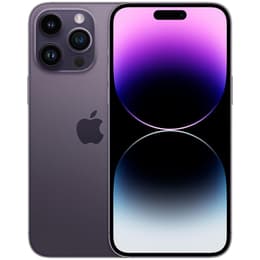
iPhone 14 Pro Max
iPhone 14 Pro Max
Starting at

Refurbished price:£327.00

Versus £1,199.00 new

See options

Ratings

The Google Pixel 9 Pro (2024) and the iPhone 14 Pro Max (2022) represent two distinct approaches to the modern flagship smartphone experience. While the Pixel 9 Pro is a more recent release that emphasises compact ergonomics and integrated artificial intelligence, the iPhone 14 Pro Max remains a robust, large-format device that continues to be a staple for users within the iOS ecosystem. These devices differ significantly in their release timing, physical dimensions, and software philosophies, offering unique advantages depending on whether a user prioritises the latest software features or a proven, expansive hardware platform.

Both smartphones provide high-end capabilities, but they cater to different user preferences regarding software customisation, physical size, and camera functionality. The Pixel 9 Pro introduces a more modern design language and updated internal components, whereas the iPhone 14 Pro Max offers a familiar, high-performance experience that has aged gracefully since its debut.

Scores

Durability

The Pixel 9 Pro and iPhone 14 Pro Max offer different expectations for long-term use based on their release dates and manufacturer support commitments.

  • Software Support Window: The Pixel 9 Pro is notable for its commitment to seven years of operating system and security updates, meaning it is designed to remain current until 2031. The iPhone 14 Pro Max, while older, typically receives six to seven years of support from its 2022 launch, likely receiving updates until 2028 or 2029.
  • Physical Resilience: Both phones feature high-quality builds, with the iPhone using a stainless steel frame and the Pixel opting for polished aluminium. Both include advanced glass protection on the front and back to resist scratches and minor impacts during daily handling.
  • Repair Access: Both manufacturers have established programmes to provide genuine parts to repair shops, which helps extend the functional life of the hardware. Choosing a quality-assured refurbished option for these models is an effective way to support a circular economy while obtaining a device that has been thoroughly tested for longevity.

Year of Release

2024

2022

Compatible with latest Update

Yes

Yes

OS

Android

iOS

Foldable

No

No

Performance

While both devices handle demanding tasks with ease, they manage resources and battery life in ways that reflect their specific internal designs and software optimisations.

  • System Responsiveness: The Pixel 9 Pro is equipped with a high amount of memory to handle complex background tasks and on-device processing, ensuring that switching between apps remains fluid. The iPhone 14 Pro Max uses its hardware extremely efficiently, providing a smooth experience for gaming and high-resolution video editing without needing as much raw memory.
  • Battery and Charging: The iPhone 14 Pro Max is frequently noted for its ability to last through a full day of heavy use, thanks to its large physical battery and efficient power management. The Pixel 9 Pro offers a reliable day of use and supports fast charging to quickly replenish power when needed.
  • Storage Capacity: Both devices offer a range of storage options starting from 128GB and reaching up to 1TB, allowing users to choose the capacity that best fits their needs for storing photos, videos, and large applications.

Memory (GB)

16 GB

6 GB

Screen quality

The display experience on these two phones differs primarily in size and peak brightness, though both use advanced panel technology for clear visuals.

  • Display Technology: Both smartphones utilise OLED technology, which provides deep blacks and high contrast for an immersive viewing experience. The Pixel 9 Pro features a display that can reach very high brightness levels, making it easier to read in direct sunlight compared to many other devices.
  • Size and Ergonomics: The iPhone 14 Pro Max features a large 6.7-inch screen, which is ideal for watching videos or multitasking, though it requires more effort to use with one hand. The Pixel 9 Pro is more compact at 6.3 inches, offering a balance between a high-quality visual experience and a more pocket-friendly design.
  • Motion Smoothness: Both screens support a variable refresh rate up to 120Hz, which ensures that animations, scrolling, and gaming look fluid while also conserving battery life when the screen is static.

Resolution

1280 x 2856

1290 x 2796

Screen type

LTPO OLED

LTPO Super Retina XDR OLED

Audiovisual

Photography and media consumption are central to both devices, with each offering a sophisticated triple-camera array and high-quality audio output.

  • Camera Versatility: The Pixel 9 Pro includes a powerful telephoto lens with 5x optical zoom, allowing for detailed shots from a distance. The iPhone 14 Pro Max offers a 3x optical zoom, which is well-suited for portraits and everyday photography, alongside a highly regarded video recording system.
  • Image Processing: Google’s approach focuses on computational photography to enhance detail and colour in various lighting conditions, while Apple’s system is often praised for its natural colour reproduction and consistent performance across all lenses.
  • Audio and Microphones: Both phones feature stereo speakers that provide clear, balanced sound for media playback. They also use multi-microphone arrays to reduce background noise during calls and ensure high-quality audio capture when recording video.

Main camera

50 megapixels

48 megapixels

Front camera

42 megapixels

12 megapixels

Miscellaneous

Practical features such as connectivity, biometric security, and physical ports play a significant role in the daily user experience of these smartphones.

  • Connectivity Standards: The Pixel 9 Pro supports the latest Wi-Fi 7 standards for faster home networking, whereas the iPhone 14 Pro Max uses Wi-Fi 6. Both are fully compatible with 5G networks for high-speed mobile data.
  • Physical Ports and Charging: The iPhone 14 Pro Max uses the Lightning port for charging and data transfer, while the Pixel 9 Pro uses the more universal USB-C port. This difference may influence users who already have a collection of specific cables.
  • Biometric Security: Apple utilises Face ID, which uses 3D mapping for secure unlocking, while the Pixel 9 Pro offers both an ultrasonic fingerprint sensor under the screen and a secure face unlock feature, giving users more flexibility in how they access their device.

Weight

199 g

120 g

Screen size (in)

6.3

6.7

Mobile network

5G

5G

SIM card

Physical SIM + eSIM

Physical SIM + eSIM

Carrier compatibility

Unlocked

Unlocked

Connector

USB-C

Lightning

Based on user discussions and community feedback, the choice between the Google Pixel 9 Pro and the iPhone 14 Pro Max often comes down to a preference for specific software features versus hardware familiarity. Users on platforms like Reddit frequently praise the Pixel 9 Pro for its innovative photography tools and the helpfulness of its integrated AI features. Conversely, the iPhone 14 Pro Max is often lauded for its exceptional battery life, the reliability of the iOS ecosystem, and its consistent performance in video recording. Some users have noted that the iPhone's weight can be a factor during long periods of use, while others appreciate the solid feel it provides.

Users who prioritise having the latest software updates for the longest possible time, along with advanced photography tools in a more compact frame, will likely find the Pixel 9 Pro to be an excellent fit. Those who prefer a larger screen for media consumption, a highly efficient battery, and a seamless connection with other Apple devices may lean toward the iPhone 14 Pro Max. Choosing a sustainable choice like a refurbished model allows users to access these high-end features while contributing to environmental conservation. Ultimately, both devices offer a premium experience, and the decision rests on which specific ecosystem and physical design best align with an individual's daily habits.


See all articles

Our recent comparisons