iPhone 12 mini Vs iPhone XS

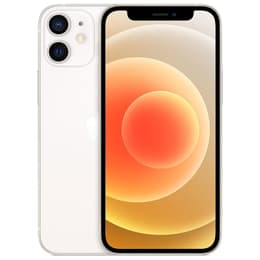
iPhone 12 mini
iPhone 12 mini
Starting at

Refurbished price:£128.00

Versus £579.00 new

See options
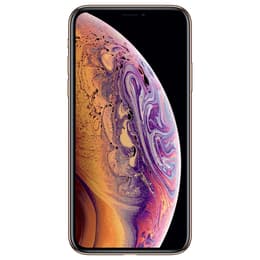
iPhone XS
iPhone XS
Starting at

Refurbished price:£106.00

Versus £399.00 new

See options

Ratings

The iPhone 12 Mini (2020) and the iPhone XS (2018) represent two distinct approaches to the modern smartphone experience. While the iPhone XS was a premium flagship with a focus on high-end materials, the iPhone 12 Mini was introduced as a compact powerhouse for users who prefer a smaller device without sacrificing modern internal capabilities. Both smartphones run on Apple's iOS, providing a consistent software experience, though their differing release dates mean they offer different levels of long-term support and connectivity.

Scores

Durability

The two-year age gap between these models plays a significant role in their expected longevity and physical resilience in daily use.

  • Software Longevity: The iPhone 12 Mini is a newer generation device, meaning it is likely to receive official software updates and security patches for a longer period than the iPhone XS. This ensures the device remains compatible with the latest apps and security standards for a longer duration.
  • Physical Resilience: The iPhone 12 Mini features a Ceramic Shield front, which is designed to be more resistant to drops than the glass used on the iPhone XS. However, the iPhone XS is constructed with a stainless steel frame, providing a sturdy feel compared to the lightweight aluminium frame found on the 12 Mini.
  • Maintenance: Both devices are well-supported by repair networks, allowing for straightforward battery or screen replacements. Choosing a quality-assured refurbished option is an excellent way to extend the life of these devices while making a more sustainable choice for the environment.

Year of Release

2020

2018

Compatible with latest Update

Yes

Yes

OS

iOS

iOS

Foldable

No

No

Performance

While both devices are capable of handling everyday tasks, the internal hardware of the iPhone 12 Mini provides a more fluid experience for demanding applications.

  • System Responsiveness: Thanks to its more recent internal architecture, the iPhone 12 Mini handles app launches and multitasking with greater speed. This results in a smoother experience when navigating the interface or loading large files compared to the older iPhone XS.
  • Battery Behaviour: The iPhone 12 Mini is designed for efficiency, but its small physical size limits the total battery capacity. The iPhone XS has a slightly larger battery, yet its older hardware is less efficient at managing power. In practice, both phones typically require a daily charge, particularly for users with high screen-on time.
  • Multitasking: Both models come with sufficient memory to run multiple apps simultaneously. However, the 12 Mini's more advanced processing power allows it to manage background processes more effectively, ensuring that the user interface remains smooth even when several tasks are running at once.

Memory (GB)

4 GB

4 GB

Screen quality

Both phones feature high-quality OLED displays that offer deep blacks and vibrant colours, but they differ in size and viewing experience.

  • Display Technology: Each device uses a Super Retina display, ensuring that images and videos look sharp and clear. The iPhone 12 Mini has a slightly higher pixel density, which makes text appear exceptionally crisp, while the iPhone XS offers a larger 5.8-inch screen that many users find better for reading or watching content.
  • Outdoor Visibility: The iPhone 12 Mini is capable of reaching higher brightness levels, making it easier to see the screen when using the device outside in bright daylight. This makes the 12 Mini a strong performer for those who often use their phone on the go.
  • Viewing Experience: The 5.4-inch screen of the 12 Mini is specifically tailored for portability and one-handed operation. Conversely, the iPhone XS provides more screen real estate, which enhances the experience of viewing photos or playing games, though it results in a larger overall device size.

Resolution

1080 x 2340

1125 x 2436

Screen type

Super Retina XDR OLED

Super Retina OLED

Audiovisual

The camera systems on these devices are designed for different photographic needs, with one focusing on wide-angle shots and the other on zoomed-in detail.

  • Camera Versatility: The iPhone 12 Mini features an ultra-wide lens, which is perfect for capturing expansive landscapes or group photos. In contrast, the iPhone XS includes a telephoto lens, offering a dedicated optical zoom that is particularly useful for taking portraits and capturing subjects from a distance.
  • Low-Light Photography: The iPhone 12 Mini includes advanced software processing for night photography, allowing for much clearer and more detailed shots in dark environments. This makes the 12 Mini a more versatile tool for capturing memories in various lighting conditions.
  • Video and Sound: Both smartphones record high-quality video with clear stereo sound. The iPhone 12 Mini supports more modern video standards, such as Dolby Vision, which provides improved colour and contrast in recordings.

Main camera

12 megapixels

12 megapixels

Front camera

12 megapixels

7 megapixels

Miscellaneous

Practical differences in connectivity and physical design are key factors that distinguish these two generations of smartphones.

  • Connectivity: The iPhone 12 Mini supports 5G networks, providing access to faster data speeds and better connectivity in modern network environments. This ensures the 12 Mini is better prepared for the next generation of mobile data connectivity.
  • Design and Handling: The iPhone 12 Mini is significantly lighter and smaller, making it one of the most pocket-friendly devices available. The iPhone XS is heavier and features a rounded design that some users find more comfortable to grip, whereas the 12 Mini has a more modern, flat-edged aesthetic.
  • Biometrics and Charging: Both devices use facial recognition for secure access and payments. The iPhone 12 Mini also introduces compatibility with magnetic charging systems, which allows for easy attachment of wireless chargers and other modular accessories to the back of the phone.

Weight

135 g

177 g

Screen size (in)

5.4

5.8

Mobile network

5G

4G

SIM card

Physical SIM + eSIM

Physical SIM + eSIM

Carrier compatibility

Unlocked

Unlocked

Connector

Lightning

Lightning

The choice between the iPhone 12 Mini and the iPhone XS often comes down to a preference for size versus traditional flagship features. Based on user discussions and community feedback, the iPhone XS is frequently praised for its premium stainless steel build and the telephoto lens, which many still prefer for portrait photography. However, some users have noted that the battery life on older XS units can be a concern, and the lack of a dedicated night mode for the camera is a noticeable omission for evening photography.

In contrast, the iPhone 12 Mini is celebrated for its unique compact form factor, allowing for easy one-handed use that is rare in the current market. While its smaller battery is a point of consideration for heavy users, its 5G support and faster performance are seen as significant benefits. Users who prioritise a small, lightweight phone that is easy to carry and offers the latest network speeds will likely find the iPhone 12 Mini to be the ideal choice.

Those who prefer a slightly larger display for media and a dedicated zoom lens for their photography may find the iPhone XS more suited to their needs. Both devices remain highly functional for standard daily activities like browsing and social media. Opting for an eco-friendly alternative like a refurbished model is a great way to enjoy these features while supporting a more sustainable electronics cycle.