iPhone 11 Vs iPhone XS

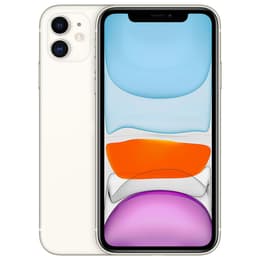
iPhone 11
iPhone 11
Starting at

Refurbished price:£112.00

Versus £489.00 new

See options
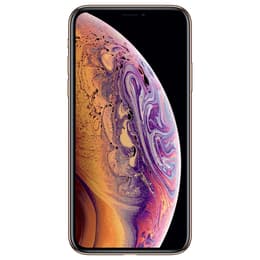
iPhone XS
iPhone XS
Starting at

Refurbished price:£96.00

Versus £399.00 new

See options

Ratings

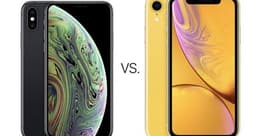
The iPhone XS, released in 2018, and the iPhone 11, launched in 2019, represent two distinct eras of smartphone design and functionality. While the iPhone XS was originally positioned as a high-end flagship with premium materials and a compact form factor, the iPhone 11 arrived a year later as a versatile successor to the popular XR model, focusing on camera versatility and battery endurance. Both devices run on Apple’s iOS operating system, ensuring a consistent and familiar software experience across both generations. The primary differences between these two smartphones lie in their display technology, camera configurations, and overall physical dimensions, catering to different user preferences for media consumption and daily photography.

Scores

Durability

The iPhone 11 and iPhone XS offer different expectations regarding their long-term utility and physical resilience based on their release timelines and build quality.

  • Software Longevity: Because the iPhone 11 was released a year after the iPhone XS, it is expected to receive official software updates for a longer period, providing users with the latest features and security patches for an additional cycle compared to the older model.
  • Build Materials: The iPhone XS features a stainless steel frame which provides a heavy, sturdy feel and high resistance to bending, whereas the iPhone 11 uses aerospace-grade aluminium that is lighter but still highly durable for daily use.
  • Environmental Resistance: Both models carry an IP68 rating for dust and water resistance, though the iPhone 11 is rated for slightly deeper submersion, offering a bit more peace of mind for users who frequently use their devices near water or in dusty environments.

Year of Release

2019

2018

Compatible with latest Update

Yes

Yes

OS

iOS

iOS

Foldable

No

No

Performance

When evaluating how these devices handle daily tasks, the iPhone 11 shows the benefits of its newer internal architecture, particularly in terms of efficiency and speed.

  • System Responsiveness: The iPhone 11 handles demanding applications and multitasking with more fluidity than the iPhone XS, making it a reliable choice for users who frequently switch between heavy apps, edit short videos, or play modern mobile games.
  • Battery Endurance: One of the most significant differences is battery life; the iPhone 11 is designed for much longer runtimes, often lasting through a full day of intensive use, whereas the iPhone XS has a smaller capacity and may require more frequent charging.
  • Sustainable Performance: Choosing a quality-assured refurbished option for either model ensures that the internal components have been tested to meet functional standards, providing a smooth user experience while supporting a more circular economy.

Memory

4 GB

4 GB

Screen quality

The viewing experience differs significantly between these two models due to the underlying screen technologies used, affecting everything from colour reproduction to battery consumption.

  • Display Technology: The iPhone XS utilises an OLED panel which offers deep blacks and high contrast, making it ideal for watching movies and viewing photos, while the iPhone 11 uses an LCD panel that provides natural colours and consistent brightness across the entire screen.
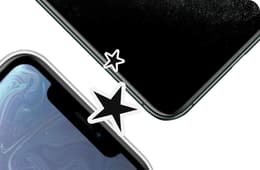
  • Clarity and Resolution: The iPhone XS has a higher pixel density, resulting in sharper text and finer details for close-up viewing, whereas the iPhone 11 offers a larger 6.1-inch viewing area that many users find more comfortable for reading long articles and browsing the web.
  • Outdoor Visibility: Both screens are designed to be legible in bright sunlight, but the iPhone 11's display is particularly effective at maintaining consistent visibility and colour accuracy in various outdoor lighting conditions.

Resolution

828 x 1792

1125 x 2436

Screen type

Liquid Retina IPS LCD

Super Retina OLED

Audiovisual

Photography enthusiasts will find that these two devices prioritise different types of shooting experiences through their unique lens combinations and software processing.

  • Lens Versatility: The iPhone XS includes a telephoto lens for better optical zoom and detailed portraits, while the iPhone 11 features an ultra-wide lens that allows users to capture much broader landscapes and tight indoor spaces without moving back.
  • Low-Light Performance: The iPhone 11 introduced a dedicated night mode that significantly improves photos taken in dark environments, a feature that is absent on the iPhone XS, which relies more on traditional flash photography and longer exposures.
  • Video and Selfies: The iPhone 11 offers improved video stabilisation and a higher-resolution front-facing camera capable of recording in 4K, making it better suited for video calls and social media content creation compared to the older XS model.

Main camera

12 megapixels

12 megapixels

Front camera

12 megapixels

7 megapixels

Miscellaneous

Beyond the core specifications, several practical factors influence how these phones feel and function in a user's hand during everyday interactions.

  • Physical Handling: The iPhone XS is more compact and narrower, making it easier to use with one hand and fit into smaller pockets, while the iPhone 11 is wider and heavier, which may appeal to those who prefer a more substantial device with a larger grip.
  • Connectivity Standards: The iPhone 11 supports faster Wi-Fi standards and improved cellular antennas, which can result in more stable internet connections and faster download speeds in crowded areas compared to the iPhone XS.
  • Biometric Security: Both devices utilise facial recognition technology for secure unlocking and payments, providing a fast and seamless way to access the phone without needing a physical fingerprint sensor, though the iPhone 11's sensors are slightly faster.

Weight

194 g

177 g

Screen size (in)

6.1

5.8

Network

4G

4G

SIM card

Physical SIM + eSIM

Physical SIM + eSIM

Carrier compatibility

Unlocked

Unlocked

Connector

Lightning

Lightning

User feedback from various forums and community discussions highlights distinct preferences for both the iPhone XS and the iPhone 11. The iPhone XS is frequently praised for its premium build quality, the vibrant colours of its OLED screen, and its comfortable size for one-handed use. However, some users note that its battery life can be limiting for power users. Conversely, the iPhone 11 is lauded for its exceptional battery endurance and the versatility of its ultra-wide camera, although its larger size and thicker screen borders are common points of discussion among those who prefer a more streamlined aesthetic.

Users who prioritise a compact design and a high-contrast display for media consumption will likely find the iPhone XS to be a better fit for their needs. Those who require a device that can last through a long day of heavy use and who enjoy taking wide-angle photos or night-time shots will find the iPhone 11 more suitable. Both smartphones remain capable devices for modern apps and communication. Opting for a sustainable choice through refurbishment allows consumers to access these technologies while reducing electronic waste. Ultimately, the decision rests on whether a user values the premium display and compact form of the XS or the battery life and camera advancements of the 11.

See all articles

Our recent comparisons