
iPhones
Compare models
Differences at a glance
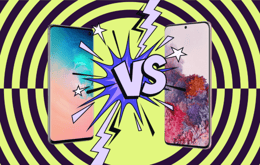
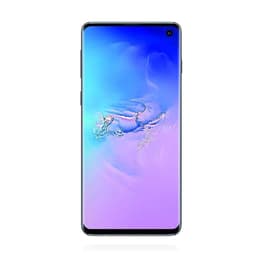
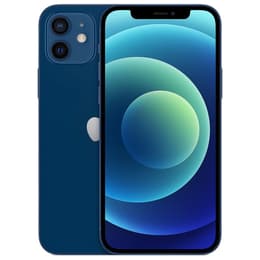
The Samsung Galaxy S10, released in early 2019, and the Apple iPhone 12, launched in late 2020, represent two distinct eras of smartphone design and functionality. While the Galaxy S10 was a pioneer of the hole-punch display and versatile triple-camera setups, the iPhone 12 introduced a flat-edge aesthetic and brought 5G connectivity to the Apple ecosystem. These devices operate on different platforms—Android and iOS respectively—offering unique user interfaces and ecosystem integrations that cater to different digital lifestyles and preferences.
Colour
Storage
The timeline of release plays a significant role in the expected longevity of these two smartphones, particularly regarding software support and physical resilience.
Year of Release
Compatible with latest Update
OS
Foldable
Daily usage reveals how these devices handle multitasking and demanding applications differently based on their internal architecture and memory management.
Both manufacturers are known for high-quality displays, but they prioritise different aspects of the visual experience for the user.
Resolution
Screen type
The camera systems and media output capabilities reflect the different priorities of Samsung and Apple during their respective launch years.
Main camera
Front camera
Practical features and physical handling often dictate the daily satisfaction of a smartphone user in real-world environments.
Weight
Screen size (in)
Mobile network
SIM card
Carrier compatibility
Connector
When looking at user feedback from various community forums, the Galaxy S10 is frequently praised for its versatile hardware features, such as the headphone jack and the high-resolution curved screen. However, some users note that its battery life and software updates have begun to show their age in comparison to more recent releases. The iPhone 12 receives consistent praise for its fast performance, 5G capabilities, and the reliability of its camera system, though some users miss the flexibility of expandable storage and the inclusion of a charger in the box.
Users who prioritise media consumption, wired audio, and the ability to expand their storage capacity will find the Galaxy S10 aligns well with their needs. Conversely, those who require a device with a longer software lifespan, faster mobile data speeds, and a more streamlined ecosystem experience may lean toward the iPhone 12. Choosing a quality-assured refurbished option for either of these models is an eco-friendly alternative that helps reduce electronic waste. Ultimately, the decision rests on whether one values the hardware versatility of the Samsung or the modern connectivity and longevity of the Apple device. Both remain functional choices for different types of users seeking a sustainable choice in the smartphone market.