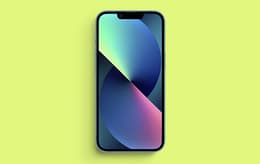
iPhone 13 Vs Sony Xperia 5 IV

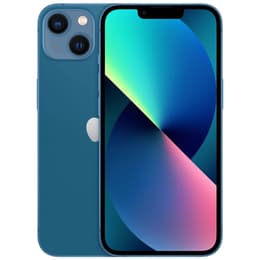
iPhone 13
iPhone 13
Starting at

Refurbished price:£204.00

Versus £599.00 new

See options
Sony Xperia 5 IV
Sony Xperia 5 IV
Starting at

Refurbished price:£298.00

Versus £1,199.00 new

See options

Ratings

The iPhone 13, released in late 2021, and the Sony Xperia 5 IV, arriving in late 2022, represent two distinct approaches to the compact smartphone market. While the iPhone 13 continues Apple’s tradition of a balanced, user-friendly experience within the iOS ecosystem, the Xperia 5 IV offers a more specialised Android experience with a focus on multimedia and manual controls. These devices cater to different priorities, from software longevity and ecosystem integration to hardware versatility and professional-grade creative tools.

The primary difference lies in their design philosophy: the iPhone focuses on a seamless, automated experience, while the Sony provides hardware features like expandable storage and a headphone jack that have become rare in modern smartphones. Both remain relevant choices for users seeking a device that is easier to handle than the larger flagship models currently on the market.

Scores

Durability

The iPhone 13 and Sony Xperia 5 IV offer different expectations regarding software support and physical resilience over time.

  • Software Longevity: The iPhone 13 typically receives operating system updates for six to seven years from its launch, ensuring it remains functional with the latest features well into the late 2020s. In contrast, the Xperia 5 IV generally follows a shorter update cycle, often providing two to three years of major version updates and slightly longer security support.
  • Physical Build and Repair: Both smartphones feature glass and metal constructions with high water and dust resistance ratings. The iPhone 13 benefits from a vast network of repair providers, making component replacements straightforward, while the Xperia 5 IV offers a robust build but may require more specialised service centres for specific hardware repairs.
  • Long-term Reliability: Users can expect the iPhone 13 to maintain a consistent user experience due to Apple's integrated hardware and software approach. The Xperia 5 IV is designed for durability in daily use, though its long-term relevance is more closely tied to its hardware features like the expandable storage and headphone jack.

Year of Release

2021

2022

Compatible with latest Update

Yes

No

OS

iOS

Android

Foldable

No

No

Performance

Everyday responsiveness and multitasking capabilities define the user experience for both the iPhone 13 and the Sony Xperia 5 IV.

  • System Responsiveness: The iPhone 13 is known for its fluid animations and rapid app switching, handling demanding tasks like video editing or high-end gaming without noticeable lag. The Xperia 5 IV provides a similarly snappy experience, particularly when navigating the interface or launching media-heavy applications, thanks to its efficient internal hardware.
  • Multitasking and Memory: With its unique tall screen, the Xperia 5 IV excels at running two apps simultaneously in a split-screen view, providing more vertical space for browsing while watching videos. The iPhone 13 manages background tasks effectively, ensuring that apps stay ready for use even after being closed for a period.
  • Storage and Battery: The iPhone 13 offers fixed internal storage options, requiring users to choose their capacity at the time of purchase. The Xperia 5 IV includes a microSD slot, allowing for easy storage expansion for photos and videos. Both devices are designed to last through a full day of standard activities, though intensive media use will naturally deplete the battery faster on both models.

Memory (GB)

4 GB

8 GB

Screen quality

The display technology on these two devices prioritises different viewing habits, from standard social media browsing to cinematic content consumption.

  • Display Technology and Smoothness: The Xperia 5 IV features a high refresh rate display that makes scrolling through lists and system animations appear very smooth. The iPhone 13 uses a standard refresh rate that remains responsive and clear but lacks the ultra-fluid motion found on the Sony model.
  • Aspect Ratio and Clarity: Sony utilises a 21:9 aspect ratio, making the device taller and narrower, which is ideal for watching films without black bars. The iPhone 13 uses a more traditional aspect ratio that feels familiar for most web content and apps, providing excellent colour accuracy and deep blacks through its OLED panel.
  • Outdoor Visibility: Both screens are designed to be legible in bright sunlight, though the iPhone 13 often reaches higher peak brightness levels for HDR content. The Xperia 5 IV focuses on a natural colour palette that appeals to users who prefer a realistic look for their photos and videos.

Resolution

1170 x 2532

1080 x 2520

Screen type

Super Retina XDR OLED

OLED

Audiovisual

Photography and audio capabilities are areas where these two smartphones diverge significantly in their philosophy.

  • Camera Versatility: The Xperia 5 IV includes a triple-lens system that offers a dedicated telephoto lens for zooming in on distant subjects, alongside wide and ultra-wide options. The iPhone 13 features a dual-lens setup that focuses on simplicity and reliable image processing, producing consistent results across various lighting conditions.
  • Video and Creative Control: Sony provides extensive manual settings for video and photo, mimicking the interface of professional cameras, which is ideal for enthusiasts who like to tweak every detail. The iPhone 13 prioritises a "point-and-shoot" approach with features like Cinematic mode, which automatically shifts focus to create a professional look with minimal effort.
  • Audio Experience: The Xperia 5 IV is one of the few modern smartphones to retain a physical headphone jack, supporting high-quality wired audio. It also features front-facing stereo speakers that provide a balanced soundstage. The iPhone 13 delivers clear, loud audio through its speaker system and relies on wireless or adapter-based connections for external audio.

Main camera

12 megapixels

12 megapixels

Front camera

12 megapixels

12 megapixels

Miscellaneous

Practical design choices and connectivity features influence how these devices feel in the hand and interact with other hardware.

  • Biometrics and Security: The iPhone 13 uses facial recognition technology for secure unlocking and payments, which works quickly even in low light. The Xperia 5 IV employs a fingerprint sensor built into the power button on the side, allowing users to unlock the device as they pick it up.
  • Physical Handling: Because the Xperia 5 IV is narrower than the iPhone 13, it is often easier to grip with one hand, despite being slightly taller. The iPhone 13 has a more traditional width that provides a substantial feel and a larger keyboard area for typing.
  • Connectivity and Ports: The iPhone 13 uses a proprietary Lightning port for charging and data transfer, while the Xperia 5 IV uses the more universal USB-C standard. Both devices support 5G connectivity for fast mobile data and include modern Wi-Fi and Bluetooth standards for stable connections to accessories and networks.

Weight

173 g

172 g

Screen size (in)

6.1

6,1

Mobile network

5G

5G

SIM card

Physical SIM + eSIM

Physical SIM + eSIM

Carrier compatibility

Unlocked

Unlocked

Connector

Lightning

USB-C + Jack 3.5mm

User consensus highlights the iPhone 13 as a reliable and straightforward device, often praised for its consistent performance and the seamless way it fits into the Apple ecosystem. Many users appreciate that it maintains its speed over several years, though some note that the 60Hz screen and the presence of the notch feel less modern compared to newer designs. The Sony Xperia 5 IV receives high marks from enthusiasts for its inclusion of a headphone jack, expandable storage, and the 21:9 display which is ideal for movies. However, some users mention that the camera software has a steeper learning curve and that the device can get warm during intensive tasks.

Users who prioritise a straightforward experience, long-term software support, and a wide range of available accessories will likely find the iPhone 13 to be the better fit for their needs. Conversely, those who value manual camera controls, high-fidelity wired audio options, and a unique form factor for media consumption may lean toward the Sony Xperia 5 IV. Choosing a quality-assured refurbished option for either of these models is a sustainable choice that reduces electronic waste while providing a high-performance device. Both the iPhone 13 and the Xperia 5 IV remain capable tools in 2026, offering distinct paths for users seeking either a dependable daily companion or a versatile creative tool.
See all articles

Our recent comparisons