
Compare models
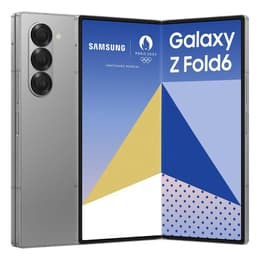
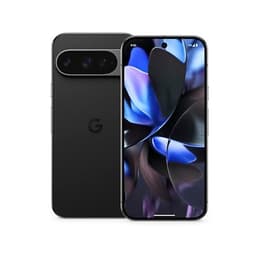
Galaxy Z Fold6 Vs Google Pixel 9 Pro
- 1-year minimum warranty
- Free delivery on all items
- Free 30-day returns
Differences at a glance
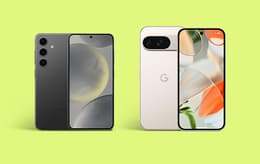
The Samsung Galaxy Z Fold6 and the Google Pixel 9 Pro, both released in 2024, represent two distinct philosophies in the high-end smartphone market. While the Galaxy Z Fold6 focuses on a transformative foldable design that bridges the gap between a standard phone and a tablet, the Google Pixel 9 Pro refines the traditional smartphone experience with a focus on integrated intelligence and photography. Both devices run on the Android operating system, though Samsung’s version includes extensive customisation for multitasking, whereas Google provides a streamlined, software-first approach. As a sustainable choice, many users are now looking at these models as quality-assured refurbished options to balance technology with environmental impact.
Available Models
Colour
Storage (GB)
Scores
Durability
The Galaxy Z Fold6 and Google Pixel 9 Pro are both designed for long-term use, with both manufacturers committing to seven years of security and operating system updates.
- Software Longevity: With support extending until 2031, both devices are excellent choices for users who plan to keep their hardware for several years without missing out on new features or security patches.
- Physical Resilience: The Pixel 9 Pro uses a traditional glass-and-metal build that is highly resistant to dust and water, while the Galaxy Z Fold6 features a complex hinge mechanism and a flexible internal screen that requires more careful handling despite significant improvements in folding technology.
- Repairability: Standard smartphones like the Pixel 9 Pro generally offer more straightforward repair paths for screen replacements and battery swaps compared to the intricate internal components and dual-screen setup of a foldable device.
Year of Release
2024
2024
Compatible with latest Update
Yes
Yes
OS
Android
Android
Foldable
Yes
No
Performance
While both devices handle demanding applications with ease, they distribute their power differently to suit their specific form factors and user expectations.
- Multitasking and Productivity: The Galaxy Z Fold6 is built for running multiple apps simultaneously, allowing users to drag and drop content between windows with no noticeable lag, making it a mobile workstation.
- System Responsiveness: The Pixel 9 Pro features a high amount of memory which ensures that background tasks and photo processing happen almost instantly, providing a very fluid user experience during daily navigation and app switching.
- Battery Endurance: The Pixel 9 Pro carries a larger battery capacity which, combined with its single-screen design, often results in longer runtimes for users who spend a lot of time on social media or navigation compared to the dual-screen power demands of the Fold6.
Screen quality
The viewing experience is perhaps the most significant difference between these two 2024 flagships, catering to very different visual priorities and daily habits.
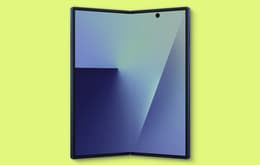
- Display Versatility: The Galaxy Z Fold6 offers a 6.3-inch external display for quick tasks and a massive 7.6-inch internal screen that provides a tablet-like experience for reading, watching videos, and editing documents.
- Brightness and Clarity: The Pixel 9 Pro features a highly advanced OLED panel known for its exceptional peak brightness, making it one of the easiest screens to read under direct sunlight or in bright outdoor environments.
- Smoothness: Both devices utilise adaptive refresh rates that adjust based on the content, ensuring that scrolling through text and playing games feels incredibly smooth and responsive to touch.
Resolution
1856 x 2160
1280 x 2856
Screen type
Foldable Dynamic LTPO AMOLED 2X
LTPO OLED
Audiovisual
Photography enthusiasts will find that both devices offer sophisticated triple-lens systems, though their strengths lie in different areas of image capture and processing.
- Zoom and Detail: The Pixel 9 Pro excels in long-range photography and high-resolution sensor output, capturing fine details in landscapes and portraits that remain sharp even when cropped significantly.
- Video and Versatility: The Galaxy Z Fold6 provides a flexible shooting experience, allowing the device to act as its own tripod when partially folded, which is particularly useful for hands-free video calls and stable time-lapse recordings.
- Low-Light Performance: Google’s software processing on the Pixel 9 Pro is widely noted for its ability to brighten dark scenes naturally, while Samsung offers a vibrant colour palette that makes photos look lively and ready for sharing immediately.
Main camera
50 megapixels
50 megapixels
Front camera
4 megapixels
42 megapixels
Miscellaneous
Beyond the core specifications, the physical footprint and connectivity options define how these devices fit into a user's daily routine and professional life.
- Portability and Weight: The Pixel 9 Pro is a more compact and lighter device, fitting easily into pockets and being comfortable for one-handed use, whereas the Galaxy Z Fold6 is thicker when closed and heavier due to its folding architecture.
- Input Methods: The Galaxy Z Fold6 supports a precision stylus, making it a preferred choice for those who like to take handwritten notes or sketch on the go, though the accessory is typically stored separately.
- Connectivity: Both smartphones support the latest 5G standards and fast Wi-Fi protocols, ensuring rapid download speeds and stable connections for streaming, cloud-based work, and video conferencing.
Weight
239 g
280 g
Screen size (in)
7.6
6.8
Mobile network
5G
5G
SIM card
Dual Physical SIM + eSIM
Physical SIM + eSIM
Carrier compatibility
Unlocked
Unlocked
What the community thinks
User feedback on community forums suggests that the Galaxy Z Fold6 is highly praised for its "wow factor" and the genuine utility of its large inner screen for productivity. However, some users express concerns about the long-term durability of the folding screen crease over several years of use. Conversely, the Google Pixel 9 Pro receives acclaim for its consistent camera quality and the clean, intuitive feel of its software, though some users note it can get warm during intensive tasks like 4K video recording.
Users who prioritise a large canvas for media consumption, document editing, and innovative design will likely find the Galaxy Z Fold6 fits their lifestyle best. Those who prefer a more traditional, reliable, and pocket-friendly device with a focus on world-class photography and streamlined software may lean toward the Google Pixel 9 Pro. For those looking to make a more sustainable choice, choosing a quality-assured refurbished option for either model is an excellent way to access these high-end features while reducing electronic waste. Ultimately, the decision rests on whether you value the expansive screen of a foldable or the refined simplicity of a classic flagship.