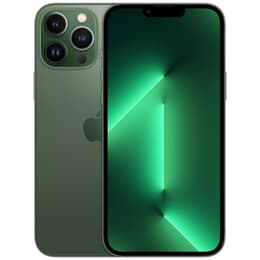

Google Pixel 9 Pro Vs iPhone 13 Pro Max

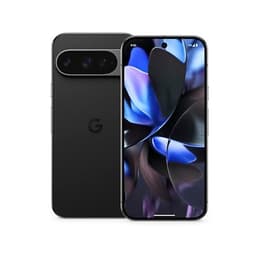
Google Pixel 9 Pro
Google Pixel 9 Pro
Starting at

Refurbished price:£395.25

Versus £917.17 new

See options
iPhone 13 Pro Max
iPhone 13 Pro Max
Starting at

Refurbished price:£272.00

Versus £1,259.00 new

See options

Ratings

The Google Pixel 9 Pro (2024) and the iPhone 13 Pro Max (2021) represent two different eras of flagship smartphone technology. While the iPhone 13 Pro Max was a pioneer in bringing high-refresh-rate displays and extended battery life to the iOS ecosystem, the Pixel 9 Pro arrives three years later with a heavy focus on integrated artificial intelligence and modern hardware refinements. These devices cater to different user preferences, not just in their operating systems—Android 15 on the Pixel and iOS on the iPhone—but also in their physical dimensions and functional priorities.

Choosing between these two involves weighing the benefits of a large-format, established hardware platform against a more compact, modern device built for the latest software innovations. This comparison explores how these two high-end smartphones perform in daily use, their long-term viability, and which user profiles are best served by each model's specific strengths.

Scores

Durability

When evaluating how long these devices will remain functional and secure, the three-year age gap between them plays a significant role in software support and hardware longevity.

  • Software Support Timeline: The Pixel 9 Pro is launched with a commitment to seven years of operating system and security updates, potentially keeping the device current until 2031. In contrast, the iPhone 13 Pro Max typically follows the standard lifecycle for its manufacturer, which usually spans six to seven years from the release date, meaning its software support may conclude several years earlier than the Pixel's.
  • Repairability and Maintenance: Both manufacturers have made strides in making parts more accessible. The Pixel 9 Pro benefits from a modular internal design that simplifies certain repairs, while the iPhone 13 Pro Max has a vast network of service providers, though some internal components are digitally linked to the specific device.
  • Hardware Resilience: The iPhone 13 Pro Max features a stainless steel frame and ceramic-hardened glass, which has proven durable over years of real-world use. The Pixel 9 Pro uses modern Gorilla Glass and a refined metal frame designed to withstand daily wear. Choosing a quality-assured refurbished option for either model can further extend the functional life of these premium materials while supporting a more circular electronics economy.

Year of Release

2024

2021

Compatible with latest Update

Yes

Yes

OS

Android

iOS

Foldable

No

No

Performance

Performance in these devices is defined by how smoothly they handle multitasking, demanding applications, and long-term system responsiveness without lag.

  • Multitasking and Memory: The Pixel 9 Pro is equipped with a high volume of temporary memory (RAM), which allows it to keep numerous apps open in the background and process complex AI tasks locally. The iPhone 13 Pro Max, while having a lower numerical memory count, benefits from highly efficient software integration that ensures smooth transitions and rapid app switching.
  • Daily Task Efficiency: For everyday activities like web browsing, social media, and document editing, both devices remain exceptionally fast. The Pixel 9 Pro focuses its processing power on smart features like live translation and photo editing, while the iPhone 13 Pro Max excels in sustained performance for mobile gaming and high-resolution video rendering.
  • Battery Endurance: The iPhone 13 Pro Max is widely recognised for its ability to last through a full day of heavy use due to its large physical battery size and efficient hardware. The Pixel 9 Pro, being a more compact device, uses intelligent power management to ensure it lasts a full workday, though users with very high screen-on time may find the larger iPhone more consistent.

Memory (GB)

16 GB

6 GB

Screen quality

The viewing experience differs significantly between these two, primarily due to the physical size of the handsets and the evolution of display brightness technology.

  • Display Technology and Brightness: The Pixel 9 Pro features a modern LTPO OLED display that can reach extremely high peak brightness levels, making it very easy to read even in direct midday sunlight. The iPhone 13 Pro Max also uses a high-quality OLED panel with excellent colour accuracy, though its maximum brightness is lower than the more recent Pixel.
  • Size and Ergonomics: There is a notable difference in scale; the iPhone 13 Pro Max offers a expansive 6.7-inch screen ideal for watching films or large-scale productivity. The Pixel 9 Pro provides a more manageable 6.3-inch display, which many users find easier to operate with one hand while still offering plenty of space for content.
  • Smoothness and Clarity: Both devices support a 120Hz refresh rate, which ensures that scrolling through menus and animations looks fluid. The Pixel 9 Pro has a slightly higher pixel density, resulting in very sharp text and fine details, whereas the iPhone 13 Pro Max relies on its larger canvas to provide an immersive visual experience.

Resolution

1280 x 2856

1284 x 2778

Screen type

LTPO OLED

Super Retina XDR OLED

Audiovisual

Photography and video capabilities are central to both devices, with the Pixel focusing on computational intelligence and the iPhone on natural consistency.

  • Still Photography: The Pixel 9 Pro utilizes a triple-lens system with a high-resolution main sensor and a powerful telephoto lens capable of 5x optical zoom. It is particularly effective at capturing detail in difficult lighting and offers advanced editing tools to remove distractions from photos. The iPhone 13 Pro Max provides a 3x optical zoom and is praised for its consistent colour reproduction across all three lenses.
  • Video Recording: The iPhone 13 Pro Max remains a favourite for video creators due to its stable recording and the inclusion of a cinematic mode that adds a shallow depth-of-field effect. The Pixel 9 Pro counters this with modern video processing features that can enhance low-light footage and improve overall clarity after the video is recorded.
  • Selfies and Audio: The Pixel 9 Pro has a significantly updated front-facing camera with a wider field of view, making it better for group shots. Both devices feature high-quality stereo speakers and multiple microphones that effectively filter out background noise during calls or video recordings.

Main camera

50 megapixels

12 megapixels

Front camera

42 megapixels

12 megapixels

Miscellaneous

Beyond the core specifications, several practical features influence how these smartphones fit into a user's daily routine and existing tech ecosystem.

  • Connectivity and Ports: The Pixel 9 Pro uses the universal USB-C standard for charging and data transfer and supports the latest Wi-Fi 7 standards for faster home internet. The iPhone 13 Pro Max uses the proprietary Lightning port and Wi-Fi 6, which may require different cables if you are transitioning from other modern electronics.
  • Biometrics and Security: The iPhone 13 Pro Max relies on FaceID, which uses 3D mapping for secure unlocking. The Pixel 9 Pro offers both a fast ultrasonic fingerprint sensor under the display and a secure face unlock feature, giving users more flexibility in how they access their device.
  • Build and Weight: The iPhone 13 Pro Max is a heavy device, owing to its stainless steel construction and large size, which gives it a substantial feel in the hand. The Pixel 9 Pro is lighter and more compact, making it more comfortable for users who carry their phone in a pocket or prefer a less bulky device.

Weight

199 g

238 g

Screen size (in)

6.3

6.7

Mobile network

5G

5G

SIM card

Physical SIM + eSIM

Physical SIM + eSIM

Carrier compatibility

Unlocked

Unlocked

Connector

USB-C

Lightning

The choice between the Google Pixel 9 Pro and the iPhone 13 Pro Max ultimately depends on whether a user prioritises modern software features or a large-screen, established hardware experience. User consensus on forums often highlights the iPhone 13 Pro Max for its exceptional battery reliability and the seamless nature of the iOS ecosystem, though some note its weight can be tiring during long periods of use. Conversely, the Pixel 9 Pro is frequently praised for its pocketable size and the impressive capabilities of its AI-enhanced camera system, though some users coming from larger phones may miss the extra screen real estate.

Users who prioritise long-term software updates, advanced photo editing tools, and a more compact form factor will find the Pixel 9 Pro aligns well with their needs. Those who prefer a large display for media consumption, a proven track record of battery endurance, and the specific features of the Apple ecosystem may lean toward the iPhone 13 Pro Max. Opting for a sustainable choice like a quality-assured refurbished device allows users to access these premium features while reducing electronic waste. Both smartphones remain highly capable tools that offer a premium experience, ensuring that regardless of the choice, the user receives a device built to high standards of performance and durability.


See all articles

Our recent comparisons