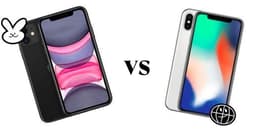

Galaxy S10 Vs iPhone X

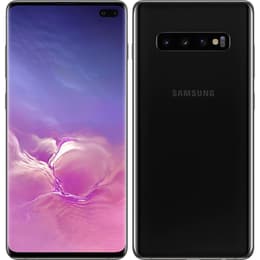
Galaxy S10
Galaxy S10
Starting at

Refurbished price:£112.00

Versus £639.00 new

See options
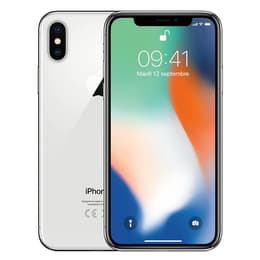
iPhone X
iPhone X
Starting at

Refurbished price:£93.00

Versus £599.00 new

See options

Ratings

The Samsung Galaxy S10 (2019) and the iPhone X (2017) represent significant milestones for their respective manufacturers, offering distinct approaches to the modern smartphone experience. While the Galaxy S10 arrived two years later with a more versatile camera system and expandable storage, the iPhone X introduced the gesture-based interface and facial recognition that defined a generation of Apple devices. Both run on different operating systems—Android for the Samsung and iOS for the Apple—meaning the choice often depends on a user's preferred software ecosystem and hardware priorities.

Scores

Durability

The two-year age gap between these devices significantly impacts their long-term software support and physical resilience in the current landscape.

  • Software Longevity: The iPhone X, despite being older, received major operating system updates for several years, though it has now reached the end of its official major update cycle. The Galaxy S10 followed a similar path, with its official support concluding after reaching Android 12, meaning both devices now primarily receive security patches rather than new features.
  • Build and Repair: Both smartphones feature glass front and back panels with metal frames, requiring careful handling or protective cases. Repairing these models is common, though the Galaxy S10's internal layout is slightly more complex due to its integrated fingerprint sensor, while the iPhone X's facial recognition components require specialized handling during screen replacements.
  • Practical Lifespan: Users can expect both devices to remain functional for everyday tasks for several years, though the lack of the latest software updates may eventually limit compatibility with some newer applications.

Year of Release

2019

2017

Compatible with latest Update

No

No

OS

Android

iOS

Foldable

No

No

Performance

In daily use, the Galaxy S10 and iPhone X handle standard tasks like web browsing and social media with ease, though their internal hardware reflects their different release dates.

  • System Responsiveness: The Galaxy S10 benefits from a larger amount of temporary memory, which allows it to keep more applications open in the background without reloading. The iPhone X uses a more streamlined approach to memory management, maintaining a smooth interface even with less hardware overhead.
  • Battery and Power: The Galaxy S10 features a larger battery capacity designed to last through a full day of moderate use, whereas the iPhone X has a smaller battery that may require a mid-day charge for heavy users. Both support wireless charging, providing flexibility for users who prefer to avoid cables.
  • Storage Flexibility: One of the most significant differences is the Galaxy S10's inclusion of a memory card slot, allowing users to increase their storage space easily. The iPhone X is limited to its internal capacity, requiring users to manage their files more closely or use cloud services.

Memory

8 GB

3 GB

Screen quality

Both devices utilize high-quality display technology that provides deep blacks and vibrant colours, though the viewing experience differs in size and design.

  • Display Design: The Galaxy S10 features a "hole-punch" design where the front camera sits in a small cutout, maximizing the 6.1-inch screen area. The iPhone X uses a 5.8-inch display with a "notch" at the top to house its facial recognition sensors, which some users find more noticeable during full-screen video playback.
  • Clarity and Brightness: The Galaxy S10 offers a higher maximum brightness, making it easier to read under direct sunlight compared to the iPhone X. Both screens provide excellent sharpness, ensuring that text and images look crisp during regular viewing.
  • Visual Smoothness: Both models operate at a standard refresh rate, providing a consistent and reliable visual experience for scrolling and animations without the increased power drain of higher-frequency displays.

Resolution

1440 x 3040

1125 x 2436

Screen type

Dynamic AMOLED

Super Retina OLED

Audiovisual

The camera systems on these smartphones cater to different photography styles, with the Galaxy S10 offering more physical lenses for varied perspectives.

  • Camera Versatility: The Galaxy S10 includes three rear lenses: a standard wide, a telephoto for zooming, and an ultra-wide lens for capturing expansive landscapes. The iPhone X features a dual-lens system with a standard and a telephoto lens, lacking the wider perspective found on the Samsung.
  • Image Quality: In daylight, both phones produce clear and detailed photos with natural skin tones. The Galaxy S10 generally performs better in low-light environments due to its newer sensor technology, while the iPhone X is often praised for its consistent colour accuracy across different lighting conditions.
  • Audio Experience: For media consumption, the Galaxy S10 provides a more traditional experience with its built-in headphone jack, whereas the iPhone X requires an adapter or wireless headphones. Both devices feature stereo speakers that deliver clear audio for videos and hands-free calls.

Main camera

12 megapixels

12 megapixels

Front camera

10 megapixels

7 megapixels

Miscellaneous

Beyond the core specifications, several practical features distinguish how these phones feel and function in a user's hand.

  • Security and Access: The iPhone X relies entirely on Face ID, which uses 3D mapping to unlock the device, while the Galaxy S10 uses an ultrasonic fingerprint sensor embedded under the screen. Users who frequently wear masks or sunglasses may find the fingerprint sensor more convenient, while others prefer the hands-free nature of facial recognition.
  • Connectivity and Ports: The Galaxy S10 uses the universal USB-C standard for charging and data transfer, making it compatible with most modern laptop and tablet cables. The iPhone X uses Apple's proprietary Lightning port, which is specific to their ecosystem.
  • Portability and Handling: The iPhone X is slightly narrower and shorter, making it easier to use with one hand for many people. The Galaxy S10 is lighter despite its larger screen, thanks to the use of different internal materials and a slimmer profile.

Weight

175 g

174 g

Screen size (in)

6.1

5.8

Network

4G

4G

SIM card

Physical SIM

Physical SIM

Carrier compatibility

Unlocked

Unlocked

Connector

USB-C + Jack 3.5mm

Lightning

User feedback from various online communities highlights that the Galaxy S10 remains a favourite for those who value hardware flexibility, particularly the headphone jack and expandable storage. Many users report that the screen remains one of the best in its age bracket, offering a modern look with minimal borders. Conversely, iPhone X owners often praise the device's build quality and the seamless integration of Face ID, noting that the phone still feels modern despite its 2017 release. A common criticism for the iPhone X is its aging battery life, while Galaxy S10 users sometimes mention that the in-screen fingerprint sensor can be less consistent than traditional physical buttons.

For users who prioritise a versatile camera and the ability to expand their storage for photos and offline media, the Galaxy S10 is a strong choice. Those who prefer a more compact design and are already invested in the Apple ecosystem will likely find the iPhone X more suitable for their needs. Choosing a quality-assured refurbished option for either of these models is an eco-friendly alternative that extends the life of these capable devices. Ultimately, the decision rests on whether you value the customisation and hardware features of the Samsung or the streamlined, long-supported software experience of the Apple.
See all articles

Our recent comparisons