iPhones
Compare models
Differences at a glance
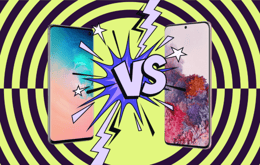
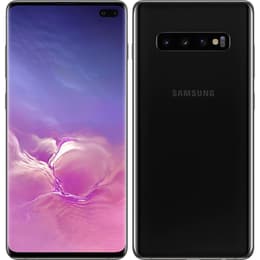
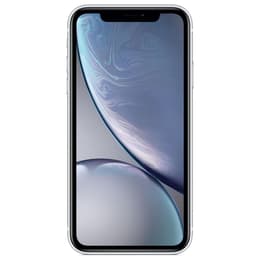
The Samsung Galaxy S10, released in early 2019, and the iPhone XR, launched in late 2018, represent two distinct approaches to the smartphone experience from a few years ago. While the Galaxy S10 was a flagship offering with a focus on display technology and versatile photography, the iPhone XR was designed as a more accessible entry into its ecosystem, prioritising core performance and software longevity. The Galaxy S10 runs on the Android operating system, offering extensive customisation, whereas the iPhone XR utilises iOS, known for its streamlined interface and consistent updates. Choosing a sustainable choice like a refurbished model allows users to access high-quality technology responsibly.
Colour
Storage
The Galaxy S10 and iPhone XR have both been on the market for several years, which influences their remaining software support and physical resilience.
Year of Release
Compatible with latest Update
OS
Foldable
In terms of daily tasks, these two smartphones handle multitasking and application management differently based on their internal hardware and software optimisations.
The viewing experience is one of the most significant areas of divergence between the Galaxy S10 and the iPhone XR, affecting everything from movie watching to outdoor readability.
Resolution
Screen type
Photography and media consumption are handled with different priorities on these two devices, with one focusing on versatility and the other on simplicity.
Main camera
Front camera
Beyond the core specifications, several practical features define the daily user experience and handling of these two smartphones.
Weight
Screen size (in)
Mobile network
SIM card
Carrier compatibility
The Samsung Galaxy S10 and iPhone XR remain popular choices for those seeking reliable smartphone technology without the need for the absolute latest releases. According to user discussions on community forums, the Galaxy S10 is frequently praised for its vibrant display and the inclusion of the headphone jack, which remains a valued feature for many. However, some users note that the battery life can diminish over time, especially with the high-resolution screen settings. The iPhone XR is often commended for its exceptional battery efficiency and the fact that it continues to run modern versions of its software smoothly. Common criticisms of the XR usually focus on its lower-resolution screen and the lack of a dedicated zoom lens.
Users who prioritise media consumption, such as watching high-definition videos or playing games with rich graphics, will likely find the Galaxy S10 better suited to their needs due to its higher-resolution display technology. Conversely, those who value a straightforward user experience and want a device that will continue to receive software updates for a longer period may lean toward the iPhone XR. For individuals looking to make a sustainable choice, opting for a quality-assured refurbished option is an excellent way to extend the life of these capable devices while reducing environmental impact. Ultimately, the decision rests on whether one prefers the customisable, feature-rich environment of Android or the consistent, long-supported ecosystem of iOS. Both devices represent a practical approach to mobile technology, offering a balance of performance and reliability that serves a wide variety of daily requirements.