iPhone 13 Pro Vs iPhone XR

iPhone 13 Pro
iPhone 13 Pro
Starting at

£254.00

£949.00 new

See options
iPhone XR
iPhone XR
Starting at

£96.00

£399.00 new

See options

Ratings

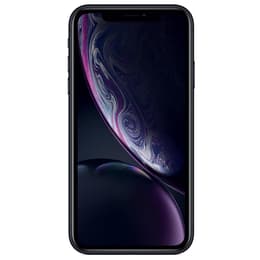
The iPhone 13 Pro (2021) and the iPhone XR (2018) represent two distinct generations of smartphone technology, each designed with different user priorities in mind. While the iPhone XR was introduced as a versatile and accessible option for the general public, the iPhone 13 Pro was developed as a high-performance device featuring advanced display and camera capabilities. Both smartphones operate on the iOS platform, though their hardware differences significantly influence how they handle modern software features and system updates in the current year.

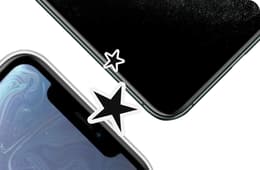
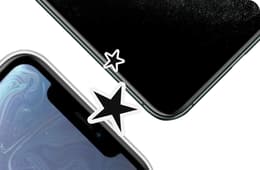
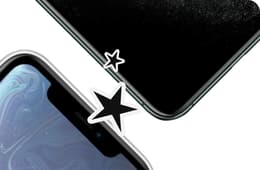
The primary differentiators between these two models lie in their display technology and camera versatility. The iPhone 13 Pro offers a high-refresh-rate screen and a triple-lens system, whereas the iPhone XR provides a more traditional viewing experience and a single-lens camera setup. Understanding these core differences is essential for users deciding between a legacy device and a more recent professional-grade model.

Scores

Durability

The release timeline of these two devices creates a significant gap in their expected software longevity and physical resilience during daily use.

  • Software Support: As a device from 2018, the iPhone XR is now considered a legacy model, meaning it has likely reached the end of its major operating system update cycle and may only receive occasional security patches. In contrast, the iPhone 13 Pro, launched in 2021, continues to receive full software support, ensuring compatibility with the latest applications and system features for several more years.
  • Build Materials: The iPhone 13 Pro is constructed with a stainless steel frame and Ceramic Shield glass, which provides enhanced protection against drops and scratches. The iPhone XR uses an aluminium frame and standard glass, which is durable for everyday tasks but lacks the reinforced structural integrity found in the newer Pro model.
  • Repairability: Both devices are widely supported by independent repair shops, making it relatively easy to find replacement parts like batteries or screens. However, the iPhone XR features a simpler internal design that can sometimes lead to more straightforward component replacements compared to the densely packed internals of the 13 Pro.

Year of Release

2021

2018

Compatible with latest Update

Yes

Yes

OS

iOS

iOS

Foldable

No

No

Performance

Performance levels differ noticeably between these generations, particularly when handling multitasking or demanding applications that require significant processing power.

  • System Responsiveness: The iPhone 13 Pro utilizes efficient internal hardware that allows for near-instant app launches and smooth navigation through complex interfaces. The iPhone XR remains capable for basic tasks like messaging and browsing, but users may notice slight delays when opening larger files or switching between multiple active applications.
  • Multitasking and Memory: With a higher memory capacity, the 13 Pro can keep numerous apps active in the background without needing to refresh them. The XR has more limited memory, which may result in apps restarting more frequently when the user toggles between different tasks throughout the day.
  • Battery Efficiency: While both models are designed for a full day of typical use, the 13 Pro benefits from more advanced power management technology. This allows the device to maintain consistent performance even during intensive activities like video calls or gaming, whereas the XR may experience faster battery depletion under similar heavy workloads.

Memory

6 GB

3 GB

Screen quality

The display technology used in these two models offers vastly different visual experiences, especially regarding color accuracy and motion smoothness.

  • Display Technology: The iPhone 13 Pro features an OLED display that produces deep blacks and high contrast ratios, making it well-suited for media consumption. The iPhone XR uses an LCD screen, which provides natural colors and clear text but cannot achieve the same level of darkness or vibrancy as the OLED panel.
  • Refresh Rate: A standout feature of the 13 Pro is its adaptive high refresh rate, which makes scrolling through lists and system animations appear exceptionally fluid. The iPhone XR uses a standard fixed refresh rate, which is functional and clear but lacks the heightened responsiveness found in the newer model.
  • Outdoor Visibility: For users who frequently use their phones outside, the 13 Pro offers a much higher peak brightness, ensuring the screen remains legible even in direct sunlight. The XR has a more modest maximum brightness, which may require users to seek shade or increase the brightness manually in bright environments.

Resolution

1170 x 2532

828 x 1792

Screen type

Super Retina XDR OLED

Liquid Retina IPS LCD

Audiovisual

The camera systems represent the most significant hardware divergence, impacting everything from zoom capabilities to low-light photography.

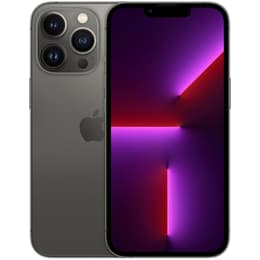
  • Lens Versatility: The iPhone 13 Pro is equipped with three distinct lenses—wide, ultra-wide, and telephoto—allowing users to capture everything from expansive landscapes to distant subjects with clarity. The iPhone XR features a single wide-angle lens, which limits its flexibility for specialized photography like optical zooming.
  • Low-Light Performance: Advanced sensors and software processing on the 13 Pro enable a dedicated night mode that captures clear, detailed images in dark settings. The iPhone XR lacks this specialized low-light hardware, often resulting in grainier photos when lighting conditions are not ideal.
  • Video and Audio: Both devices record high-quality video, but the 13 Pro includes enhanced stabilization and professional-grade recording formats that provide more detail for editors. Additionally, the 13 Pro features a more refined microphone array and balanced stereo speakers, offering a more immersive experience for both recording and playback.

Main camera

12 megapixels

12 megapixels

Front camera

12 megapixels

7 megapixels

Miscellaneous

Practical considerations such as connectivity standards and physical handling also play a role in the overall user experience of these two smartphones.

  • Network Connectivity: The iPhone 13 Pro supports 5G networks, providing access to the fastest mobile data speeds currently available. The iPhone XR is limited to 4G LTE, which remains reliable for most tasks but may result in slower download speeds in areas where 5G has become the primary standard.
  • Biometric Security: Both models utilize facial recognition technology for secure unlocking and authentication. However, the sensors on the 13 Pro are more advanced, allowing for faster recognition and better performance at various angles compared to the first-generation system found in the XR.
  • Weight and Handling: The iPhone XR is slightly lighter due to its aluminium construction, which some users find more comfortable for long periods of one-handed use. The 13 Pro has a more substantial, heavier feel because of its stainless steel frame and larger camera housing, giving it a more robust presence in the hand.

Weight

203 g

194 g

Screen size (in)

6.1

6.1

Network

5G

4G

SIM card

Physical SIM + eSIM

Physical SIM + eSIM

Carrier compatibility

Unlocked

Unlocked

Connector

Lightning

Lightning

Based on consensus from user forums and community discussions, the iPhone XR is frequently highlighted as a reliable and straightforward device for those who value simplicity and a comfortable physical design. Many users praise its durability and the fact that it still handles essential daily tasks effectively despite its age. However, common criticisms often point toward its aging screen technology and the limitations of its single camera lens in modern photography scenarios.

In contrast, the iPhone 13 Pro is widely recognized for its exceptional display quality and the versatility of its triple-camera system. Power users and photography enthusiasts often note that the high refresh rate makes a significant difference in daily interaction. The most frequent concern raised by users is the device's weight, which can feel heavy during extended use compared to the lighter XR.

Users who prioritize high-end photography, smooth performance for gaming, and long-term software compatibility will find the iPhone 13 Pro aligns best with their requirements. Those who need a basic, functional smartphone for communication and light app usage may find the iPhone XR to be a suitable choice. Opting for a quality-assured refurbished option is a sustainable choice that allows users to access these technologies while reducing environmental impact. This eco-friendly alternative ensures that both professional-grade tools and classic, reliable devices remain available for different user needs without the necessity of manufacturing new hardware. Ultimately, the decision depends on whether a user requires the advanced features of a Pro model or the essential functionality of a standard smartphone.
See all articles

Our recent comparisons