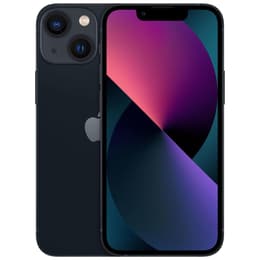

Galaxy S10+ Vs iPhone 13 mini

Galaxy S10+
Galaxy S10+
Starting at

Refurbished price:£115.32

Versus £330.00 new

See options
iPhone 13 mini
iPhone 13 mini
Starting at

Refurbished price:£185.00

Versus £649.00 new

See options

Ratings

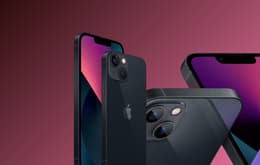
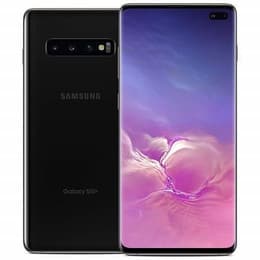
The Samsung Galaxy S10 Plus, released in 2019, and the Apple iPhone 13 Mini, launched in 2021, represent two very different philosophies in smartphone design. While the Galaxy S10 Plus was built as a large-format powerhouse for its time, the iPhone 13 Mini caters to those who prefer a compact, modern device that fits easily in one hand. These smartphones operate on different platforms—Android and iOS respectively—offering distinct user experiences in terms of interface, customisation, and app ecosystems.

Scores

Durability

The two devices sit at different stages of their lifecycle, which significantly impacts their long-term utility and software compatibility.

  • Software Longevity: The iPhone 13 Mini, being a newer release from 2021, continues to receive the latest operating system updates and security patches, ensuring compatibility with new apps for several years. In contrast, the Galaxy S10 Plus has reached the end of its major software update cycle, meaning it stays on an older version of Android and may eventually lose support for some newer applications.
  • Build and Repair: Both phones feature glass and metal constructions that require careful handling. The Galaxy S10 Plus includes a curved display which can be more complex to protect with standard screen protectors, while the iPhone 13 Mini uses a flat glass design that is generally more straightforward for standard repairs and finding protective accessories.
  • Practical Lifespan: Users looking for a device to last another four to five years will find the iPhone 13 Mini more aligned with that goal due to its ongoing manufacturer support and more modern internal components that are better equipped for future software demands.

Year of Release

2019

2021

Compatible with latest Update

No

Yes

OS

Android

iOS

Foldable

No

No

Performance

Despite the age difference, both phones handle daily tasks like web browsing and social media with ease, though they differ in multitasking and storage flexibility.

  • System Responsiveness: The iPhone 13 Mini benefits from more modern internal components that allow it to launch demanding applications quickly and maintain smooth performance during intensive tasks like video editing or high-end gaming. The Galaxy S10 Plus remains capable for standard use, though it may show slight delays when switching between many open apps compared to the newer iPhone.
  • Storage and Memory: The Galaxy S10 Plus offers significant flexibility with a built-in card slot for expanding storage, a feature absent on the iPhone. However, the iPhone 13 Mini manages its internal memory very efficiently, keeping the interface fluid even when the storage is nearly full, whereas the Samsung relies on its larger physical memory to handle heavy multitasking.
  • Battery Endurance: The Galaxy S10 Plus carries a physically larger battery to power its big screen, often lasting a full day for moderate users. The iPhone 13 Mini has a much smaller battery but uses highly efficient technology to provide surprising longevity for its size, though heavy users may find they need a midday charge more often than with the larger Samsung.

Memory (GB)

8 GB

4 GB

Screen quality

The viewing experience is perhaps the most immediate difference between these two smartphones, catering to very different visual preferences.

  • Display Technology: Both devices use advanced OLED technology, which provides deep blacks and high contrast. The Galaxy S10 Plus features a large 6.4-inch display with a high resolution that makes it well-suited for watching films or reading long documents. The iPhone 13 Mini offers a much smaller 5.4-inch screen that prioritises portability and one-handed use over immersion.
  • Outdoor Visibility: The iPhone 13 Mini features a very bright display that remains easy to read even under direct sunlight. While the Galaxy S10 Plus was quite bright for its era, it may struggle slightly more in extremely bright outdoor conditions compared to the newer technology found in the iPhone.
  • Visual Smoothness: Both screens operate at a standard refresh rate, providing a familiar level of smoothness for scrolling and animations. While neither offers the ultra-high refresh rates found on some newer flagship models, most users will find the visual experience comfortable and responsive for everyday interaction.

Resolution

1440 x 3040

1080 x 2340

Screen type

Dynamic AMOLED

Super Retina XDR OLED

Audiovisual

Photography and media consumption are handled differently by these two models, reflecting their respective release years and hardware configurations.

  • Camera Versatility: The Galaxy S10 Plus includes three distinct lenses on the back, including a dedicated zoom lens which is helpful for capturing distant subjects. The iPhone 13 Mini has a dual-lens system that lacks a zoom lens but produces very natural colours and excellent detail in various lighting conditions thanks to more modern image processing.
  • Video Capabilities: For those who record a lot of video, the iPhone 13 Mini offers advanced stabilisation and a dedicated mode for creating a shallow depth-of-field effect, making videos look more professional. The Galaxy S10 Plus provides reliable 4K recording but lacks the sophisticated software-driven video features found in the newer model.
  • Audio Experience: The Galaxy S10 Plus is notable for including a traditional headphone port, allowing the use of wired headphones without an adapter. The iPhone 13 Mini relies on wireless connections or a port adapter but delivers clear, balanced sound through its built-in stereo speakers, which are well-regarded for their clarity.

Main camera

12 megapixels

12 megapixels

Front camera

10 megapixels

12 megapixels

Miscellaneous

Practical daily usage is influenced by the physical design, biometric security, and connectivity options of each handset.

  • Physical Handling: The iPhone 13 Mini is exceptionally light and small, making it a favourite for users who want to use their phone with one hand or carry it in small pockets. The Galaxy S10 Plus is a much larger device, requiring two hands for many tasks but offering more screen real estate in return for its larger footprint.
  • Biometrics and Ports: The Galaxy S10 Plus uses a fingerprint sensor hidden under the screen for unlocking, while the iPhone 13 Mini uses facial recognition technology. Additionally, the Samsung uses a standard USB-C port for charging and data transfer, whereas the iPhone uses a proprietary connector that is common across many older Apple accessories.
  • Modern Connectivity: The iPhone 13 Mini supports 5G networks, providing faster mobile data speeds in areas where the coverage is available. The Galaxy S10 Plus is limited to 4G networks, which is still sufficient for most tasks like streaming and browsing but is less future-ready for high-speed data needs.

Weight

175 g

140 g

Screen size (in)

6.4

5.4

Mobile network

4G

5G

SIM card

Dual Physical SIM

Physical SIM + eSIM

Carrier compatibility

Unlocked

Unlocked

Choosing between the Galaxy S10 Plus and the iPhone 13 Mini often comes down to a preference for physical size and software longevity. Long-term users of the Galaxy S10 Plus frequently praise its expansive, high-quality screen and the convenience of the headphone jack, though some note that the battery life has diminished over the years and the software is no longer the most current. iPhone 13 Mini owners often highlight the joy of having a powerful device that is so easy to carry, though some find the small screen a bit cramped for typing or watching long videos.

Users who prioritise media consumption, expandable storage, and a large display will likely find the Galaxy S10 Plus more suited to their lifestyle. Conversely, those who value a compact design, long-term software support, and faster mobile data speeds will find the iPhone 13 Mini to be the more appropriate choice. For those looking to make a more sustainable choice, opting for a quality-assured refurbished option is an excellent way to extend the life of these devices. Choosing a sustainable choice like a refurbished smartphone helps reduce electronic waste while providing a reliable mobile experience. Both of these models remain functional and capable devices for a wide range of modern users, supporting informed and eco-friendly purchasing decisions.
See all articles

Our recent comparisons