
Compare models
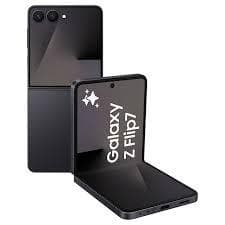
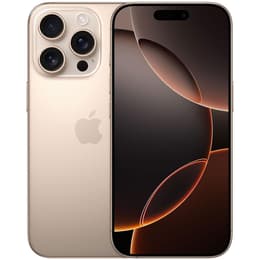
Galaxy Z Flip7 Vs iPhone 16 Pro
- 1-year minimum warranty
- Free delivery on all items
- Free 30-day returns
Differences at a glance
The Samsung Galaxy Z Flip7 (2025) and the Apple iPhone 16 Pro (2024) represent two distinct approaches to high-end mobile engineering, contrasting a folding screen design with a traditional flagship smartphone format. While both devices occupy the top tier of their respective ecosystems, they cater to very different physical preferences and operating systems, with the Galaxy running Android and the iPhone utilizing iOS.
Choosing between these two models involves weighing the benefits of a pocket-friendly folding form factor against a traditional, rigid slate design equipped with advanced processing capabilities and specialized camera optics.
Available Models
Colour
Storage (GB)
Scores
Durability
When examining long-term viability, both devices offer robust software support timelines and durable construction, though their folding mechanisms and release years introduce different considerations for long-term ownership.
- Software longevity and updates: Both manufacturers provide multi-year operating system and security patch commitments, ensuring both devices remain secure and current for years to come.
- Hardware resilience and repairability: The iPhone 16 Pro features a rigid titanium frame and ceramic front shield designed for drop resistance, whereas the Galaxy Z Flip7 incorporates a specialized folding hinge and flexible display structure that requires careful handling over extended periods of use.
- Refurbished availability: Choosing a quality-assured refurbished option for either device provides an eco-friendly alternative that extends the operational lifespan of high-end electronics while reducing electronic waste.
Year of Release
2025
2024
Compatible with latest Update
Yes
Yes
Foldable
Yes
No
Performance
Under everyday conditions, both models deliver exceptional responsiveness, handling intensive tasks, rapid app switching, and demanding mobile games without noticeable stutter or lag.
- Multitasking and memory management: Both devices handle background applications smoothly, allowing users to switch between navigation, messaging, and media tools without refreshing apps.
- Battery behavior and endurance: The iPhone 16 Pro typically manages power efficiently through optimized hardware integration, while the Galaxy Z Flip7 balances a compact physical battery capacity with energy-saving processor states to get through a standard day of mixed use.
- Storage capacity options: Both models provide multiple tiers of internal storage to accommodate large media libraries, applications, and offline files without relying heavily on cloud storage.
Screen quality
Display technology is a primary differentiator between these two devices, as one offers a unique folding canvas and the other focuses on peak brightness and color accuracy in a rigid frame.
- Panel technology and flexibility: The Galaxy Z Flip7 features a foldable organic display that opens into an extended viewing area alongside a secondary exterior cover screen, while the iPhone 16 Pro utilizes a traditional rigid organic display with uniform bezels.
- Outdoor visibility and brightness: Both screens reach high peak brightness levels, ensuring that text, images, and video remain clearly legible under direct sunlight or bright outdoor conditions.
- Visual smoothness and refresh rates: High refresh rate capabilities on both displays ensure that scrolling through web pages, reading documents, and navigating menus appears fluid and responsive.
Resolution
1080x2520
1206 x 2622
Audiovisual
The photographic capabilities of each device reflect distinct engineering priorities, balancing versatile multi-lens arrays with specialized software processing.
- Lens configurations: The iPhone 16 Pro equips a triple-lens array including a dedicated optical zoom telephoto lens, whereas the Galaxy Z Flip7 relies on a dual-lens primary and ultra-wide setup optimized for flexible positioning and self-portraits.
- Video recording quality: Both models capture high-resolution video with advanced stabilization features, though the iPhone 16 Pro is frequently noted for cinematic video modes and professional audio capture tools.
- Low-light performance: Sensor hardware and computational photography algorithms allow both devices to capture bright, detailed images in dim environments with minimal visual noise.
Main camera
50 megapixels
48 megapixels
Front camera
10 megapixels
12 megapixels
Miscellaneous
Practical everyday features, physical dimensions, and connectivity standards shape how each smartphone integrates into daily routines and travel requirements.
- Connectivity standards: Both devices support high-speed 5G cellular networks, modern Wi-Fi protocols for fast local networking, and precise location-tracking sensors.
- Physical dimensions and handling: The Galaxy Z Flip7 folds in half to occupy minimal pocket space, while the iPhone 16 Pro maintains a slim, traditional footprint with a solid, balanced weight distribution in the hand.
- Authentication and security: The iPhone 16 Pro utilizes facial recognition technology, whereas the Galaxy Z Flip7 incorporates a side-mounted fingerprint sensor integrated into the power button alongside facial recognition options.
Weight
188 g
199 g
Screen size (in)
6.9
6.3
Mobile network
5G
5G
SIM card
Physical SIM + eSIM
Physical SIM + eSIM
Carrier compatibility
Unlocked
Unlocked
Connector
USB-C
USB-C (USB 3)
What the community thinks
User feedback from online communities highlights distinct preferences for each device. Owners of the Galaxy Z Flip7 frequently praise its compact footprint when folded, the convenience of the cover screen for quick notifications, and the novelty of a flexible display. Conversely, iPhone 16 Pro users often emphasize reliability, robust battery performance, and the consistent quality of the camera system for everyday photography.
Users prioritizing a pocket-friendly, folding design and Android software customization may prefer the Galaxy Z Flip7, while users prioritizing long battery endurance, a dedicated telephoto zoom lens, and the iOS ecosystem will likely lean toward the iPhone 16 Pro. For those seeking an eco-friendly alternative, exploring a quality-assured refurbished option for either model provides a sustainable choice that meets modern computing needs.