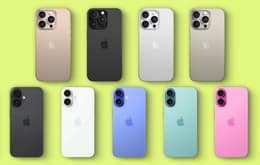
iPhone 15 Vs iPhone 16 Pro

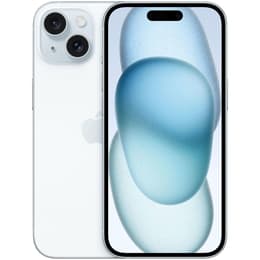
iPhone 15
iPhone 15
Starting at

Refurbished price:£326.00

Versus £699.00 new

See options
iPhone 16 Pro
iPhone 16 Pro
Starting at

Refurbished price:£564.00

Versus £999.00 new

See options

Ratings

The iPhone 15, released in September 2023, and the iPhone 16 Pro, launched in September 2024, represent different tiers within Apple's smartphone lineup. While both devices operate on the iOS platform, the iPhone 16 Pro introduces a more advanced camera system, a higher-performance processor, and an enhanced display technology, catering to users with more demanding needs.

Scores

Durability

When considering the longevity of these devices, several factors come into play, including their release timelines, software support, and physical construction.

  • Release Timeline: The iPhone 15 was released in September 2023, making it a year older than the iPhone 16 Pro, which debuted in September 2024. This difference in release date typically translates to an additional year of major iOS updates for the newer Pro model.
  • Software Longevity: Both devices are designed to receive several years of operating system updates, ensuring access to new features and security enhancements. The iPhone 15 launched with iOS 17 and is compatible with iOS 26.3.1 as of March 2026. The iPhone 16 Pro, launching with iOS 18, is also compatible with iOS 26.3.1 and is expected to support future iOS versions for a longer period due to its newer hardware and later release.
  • Physical Durability: The iPhone 15 features an aluminium frame with a Ceramic Shield front and a colour-infused glass back. The iPhone 16 Pro upgrades to a titanium frame, also with a Ceramic Shield front and a textured matte glass back, which contributes to its overall structural integrity. Both models carry an IP68 rating for splash, water, and dust resistance. User experiences suggest the iPhone 15's Ceramic Shield offers good scratch resistance and generally performs well in bend tests. While the iPhone 16 Pro's titanium frame is robust, some early reports for the 15 Pro Max (which also featured titanium) noted the back glass could be susceptible to shattering under extreme bend tests.

Year of Release

2023

2024

Compatible with latest Update

Yes

Yes

Foldable

No

No

Performance

The internal components of a smartphone dictate its speed and efficiency in handling various tasks, from everyday browsing to demanding applications.

  • Processing Power: The iPhone 15 is equipped with a powerful processor that handles demanding apps and multitasking smoothly, providing a responsive user experience for most daily activities. The iPhone 16 Pro features a newer, more advanced processor designed for even greater performance, particularly in areas like complex computations, advanced graphics rendering, and integrated artificial intelligence features. This results in faster app loading, smoother transitions, and enhanced capabilities for intensive tasks like high-end gaming or professional video editing.
  • Multitasking and Storage: Both devices offer various storage configurations, allowing users to choose based on their needs for apps, photos, and videos. The iPhone 16 Pro typically includes more advanced memory management, which can contribute to a more fluid experience when switching between multiple applications or running resource-intensive programs.
  • Battery Behavior: The iPhone 15 provides reliable battery life, often lasting a full day for typical usage patterns. The iPhone 16 Pro, benefiting from a newer, more efficient processor and potentially a larger battery capacity, is designed to offer extended battery life, which can be particularly advantageous for heavy users or those who require longer periods away from a charger.

Memory (GB)

6 GB

8 GB

Screen quality

The display is a primary interface for smartphone interaction, and both models offer high-quality visual experiences with distinct differences.

  • Display Technology and Clarity: Both the iPhone 15 and iPhone 16 Pro feature Super Retina XDR OLED displays, delivering deep blacks, vibrant colours, and excellent contrast. The iPhone 15 has a 6.1-inch display with a resolution of 2556x1179 pixels. The iPhone 16 Pro features a slightly larger 6.3-inch display with a resolution of 2622x1206 pixels, offering a similar pixel density for sharp visuals.
  • Brightness and Outdoor Visibility: Both models achieve a peak outdoor brightness of up to 2000 nits, ensuring good visibility even in bright sunlight. The iPhone 16 Pro introduces a 1 nit minimum brightness, which can be beneficial for comfortable viewing in very low-light environments.
  • Refresh Rate and Smoothness: A key differentiator is the refresh rate. The iPhone 15 features a standard 60Hz refresh rate. The iPhone 16 Pro, however, includes ProMotion technology, offering an adaptive refresh rate that can scale up to 120Hz. This higher refresh rate provides noticeably smoother scrolling, more fluid animations, and a more responsive feel, particularly in fast-paced content or gaming.

Resolution

1179 x 2556

1206 x 2622

Screen type

Super Retina XDR OLED

LTPO Super Retina XDR OLED

Audiovisual

The camera systems on both iPhones are capable, but the Pro model offers more advanced features and versatility for photography and videography enthusiasts.

  • Main Camera System: The iPhone 15 features an advanced dual-camera system with a 48MP main sensor and a 12MP ultra-wide lens, offering a 2x optical zoom option. The iPhone 16 Pro elevates this with a triple-lens system, including a 48MP main sensor, a 48MP ultra-wide lens, and a 12MP telephoto lens capable of 5x optical zoom. This provides greater flexibility for capturing different perspectives and subjects.
  • Photography Performance: Both devices excel in everyday photography, producing detailed images with accurate colours. The iPhone 16 Pro's larger and more advanced sensors, particularly the upgraded ultra-wide, contribute to improved low-light performance and greater detail capture across all lenses. The iPhone 16 Pro also benefits from enhanced computational photography, leading to more refined image processing.
  • Video Capabilities: Both models support 4K video recording. The iPhone 16 Pro further enhances video capabilities with features like 4K video capture at 120 frames per second, allowing for super slow-motion footage, and improved ProRes video recording, which is beneficial for professional workflows. The iPhone 16 Pro also includes four studio-quality microphones for higher-quality audio recording.

Main camera

48 megapixels

48 megapixels

Front camera

12 megapixels

12 megapixels

Miscellaneous

Beyond the core features, several practical elements differentiate the iPhone 15 and iPhone 16 Pro, impacting daily usability and connectivity.

  • Connectivity Standards: The iPhone 15 supports Wi-Fi 6 and Bluetooth 5.3. The iPhone 16 Pro features more advanced connectivity, including Wi-Fi 7, which offers faster speeds and improved efficiency, especially in crowded network environments, and Bluetooth 5.3. Both support 5G cellular connectivity.
  • Charging and Ports: Both devices have transitioned to a USB-C port. However, the iPhone 15's USB-C port operates at USB 2.0 speeds, while the iPhone 16 Pro's USB-C port supports faster USB 3 transfer speeds (up to 10Gb/s), which is advantageous for transferring large files like high-resolution videos and photos.
  • Design and Handling: The iPhone 15 features an aluminium design with a Ceramic Shield front and a colour-infused glass back. The iPhone 16 Pro uses a titanium frame, which is both durable and lightweight, paired with a Ceramic Shield front and a textured matte glass back. The iPhone 16 Pro is slightly larger with a 6.3-inch display compared to the iPhone 15's 6.1-inch display. The iPhone 16 Pro also includes a customizable Action button, which was introduced in the iPhone 15 Pro models, allowing quick access to various functions.

Weight

171 g

199 g

Screen size (in)

6.1

6.3

Mobile network

5G

5G

SIM card

Physical SIM + eSIM

Physical SIM + eSIM

Carrier compatibility

Unlocked

Unlocked

Connector

USB-C (USB 2)

USB-C (USB 3)

The iPhone 15 and iPhone 16 Pro cater to different user priorities, with each device offering a distinct set of advantages. User feedback for the iPhone 15 often praises its balanced performance, capable camera system, and the introduction of the Dynamic Island and USB-C to the standard model, making it a solid choice for everyday use. Common criticisms sometimes point to its 60Hz display refresh rate as a feature that lags behind some competitors.

The iPhone 16 Pro, being the newer and more advanced model, receives acclaim for its significantly upgraded camera capabilities, including the 5x optical zoom and improved ultra-wide lens, as well as its smoother ProMotion display and enhanced processing power. Users appreciate the faster USB-C transfer speeds and the premium feel of the titanium design. Some discussions around the Pro models, particularly earlier generations with titanium, occasionally touched on the durability of the back glass in extreme bend tests, though the Ceramic Shield front remains highly resistant.

Users prioritizing a smooth visual experience, advanced photography and videography features, and the latest performance for demanding applications will find the iPhone 16 Pro well-suited to their needs. Its ProMotion display and more versatile camera system are key differentiators. Conversely, users seeking a reliable, high-performing smartphone for general use, with a strong camera and modern features like the Dynamic Island and USB-C, may find the iPhone 15 to be a practical option. Both devices offer a quality experience, and considering a quality-assured refurbished option for either model can provide an eco-friendly alternative for those looking to make a sustainable choice.

See all articles

Our recent comparisons