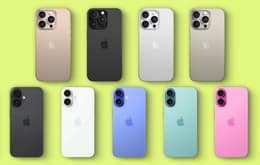
iPhones
Compare models
Differences at a glance
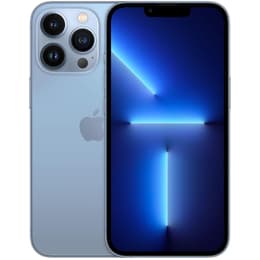
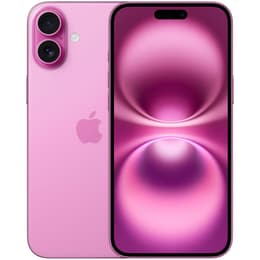
The iPhone 13 Pro, released in 2021, and the iPhone 16 Plus, launched in 2024, represent two distinct philosophies within the smartphone market. While the iPhone 13 Pro was originally designed as a high-end, compact flagship with advanced photography tools, the iPhone 16 Plus focuses on providing a larger display area and modern hardware efficiencies. Both devices operate on the iOS platform, ensuring a familiar and consistent user interface, though the newer model naturally benefits from a longer projected software support window and updated connectivity standards.
Choosing between these two involves deciding between the specialized features of an older professional-grade model and the general advancements of a newer, larger standard model. This comparison explores how these differences manifest in daily use, from screen fluidity to battery endurance, helping you determine which device aligns best with your personal priorities and lifestyle.
Colour
Storage
The three-year gap between these devices significantly impacts their long-term software viability and physical design. While the iPhone 13 Pro is built with heavy-duty materials, the iPhone 16 Plus benefits from more recent engineering standards that prioritize internal accessibility.
Year of Release
Compatible with latest Update
Foldable
Performance differences between these generations are most noticeable during intensive multitasking and high-demand applications. The iPhone 16 Plus utilizes more modern internal hardware that manages heat more effectively and supports the latest system features with greater ease.
The display experience is one of the most significant points of divergence between these two models, centering on the trade-off between screen size and motion smoothness.
Resolution
Screen type
Both smartphones are capable of capturing high-quality images and video, but they offer different hardware configurations that suit different styles of photography.
Main camera
Front camera
Practical daily usage is often defined by the physical ports and buttons that facilitate how you interact with the device and its accessories.
Weight
Screen size (in)
Mobile network
SIM card
Carrier compatibility
Connector
Deciding between the iPhone 13 Pro and the iPhone 16 Plus depends largely on whether you value specialized "Pro" features or modern hardware standards. Based on user discussions and community feedback, the iPhone 13 Pro remains highly regarded for its fluid 120Hz display and its dedicated zoom lens, which many users still find essential for creative photography. On the other hand, users of the iPhone 16 Plus frequently praise the exceptional battery life and the convenience of the larger screen for media consumption and gaming. Some note that the 13 Pro feels more "premium" due to its weight, while others prefer the lighter, more ergonomic feel and the modern USB-C port of the 16 Plus.
Users who prioritize a compact design, optical zoom, and a high-refresh-rate screen for smooth scrolling will likely find the iPhone 13 Pro better suited to their needs. Conversely, those who value maximum battery life, a large screen for videos, and the latest connectivity standards should lean toward the iPhone 16 Plus. For those seeking a sustainable choice, opting for a quality-assured refurbished option allows users to access these high-performance devices while reducing environmental impact. Ultimately, both smartphones offer a reliable experience, and selecting a refurbished device from a trusted source is an eco-friendly alternative that ensures the hardware has been thoroughly tested for continued performance.