
Motorola Moto G13 Vs Sony Xperia 1 IV

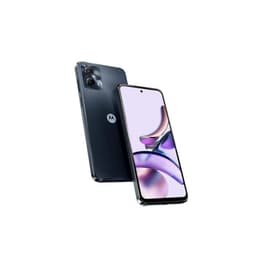
Motorola Moto G13
Motorola Moto G13
Starting at

Refurbished price:£99.00

Versus £166.76 new

See options
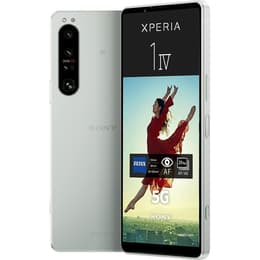
Sony Xperia 1 IV
Sony Xperia 1 IV
Starting at

Refurbished price:£346.00

Versus £1,500.00 new

See options

Ratings

The Motorola Moto G13, released in January 2023, and the Sony Xperia 1 IV, launched in May 2022, are two Android smartphones targeting different user needs. While the Moto G13 focuses on delivering essential smartphone features, the Xperia 1 IV offers advanced capabilities, particularly in its display and camera systems. Both devices run on the Android operating system, providing access to a wide ecosystem of applications and services.

Scores

Durability

The practical lifespan of a smartphone is influenced by its release timeline, software support, and physical durability.

  • Release Timeline & OS Support: The Motorola Moto G13 launched with Android 13 and is expected to receive one major Android OS upgrade and security updates until January 2026. The Sony Xperia 1 IV, released earlier with Android 12, is upgradable to Android 14 and typically receives two major Android software revisions and three years of software support. This suggests the Xperia 1 IV may have a slightly longer period of official software updates.
  • Durability Features: The Moto G13 features a plastic build and an IP52 rating, offering limited protection against dust and splashes. The Sony Xperia 1 IV boasts a more robust construction with Gorilla Glass Victus on the front and back, an aluminum frame, and an IP65/IP68 rating for enhanced dust and water resistance.
  • Repairability: User reports indicate that while components like the fingerprint sensor and battery can be replaced on the Xperia 1 IV, the process can be involved. Information on the repairability of the Moto G13 is less detailed, but its more common internal design might suggest a simpler repair process for some components.

Year of Release

2023

2022

Compatible with latest Update

No

No

OS

Android

Android

Foldable

No

No

Performance

Performance varies significantly between these two devices, impacting how smoothly they handle daily tasks and demanding applications.

  • Everyday Responsiveness: The Moto G13 provides solid performance for typical applications and multitasking, with users noting its ability to manage resources effectively even with some 3D games. However, navigating menus and graphic-heavy pages can sometimes feel less fluid. The Xperia 1 IV, with its more powerful internal components, delivers a consistently smooth and responsive experience across all tasks, including demanding applications and high-fidelity gaming.
  • Multitasking & Storage: The Moto G13 typically comes with 4GB of RAM, which is sufficient for basic multitasking but may show limitations with numerous apps open simultaneously. It offers 64GB or 128GB of internal storage, expandable via microSD. The Xperia 1 IV features 12GB of RAM and 256GB or 512GB of internal storage, also expandable, providing ample capacity for extensive multitasking and storing large files.
  • Battery Behavior: Both devices are equipped with a 5000 mAh battery. The Moto G13 is noted for its impressive battery life, often lasting one and a half to two days for average users. The Xperia 1 IV generally offers dependable battery life for a full day of use, though intensive tasks like 4K video recording can lead to faster drainage and potential heating issues.

Memory (GB)

4 GB

12 GB

Screen quality

The display technologies and specifications present a clear distinction in visual experience between the Moto G13 and the Xperia 1 IV.

  • Display Technology & Resolution: The Moto G13 features a 6.5-inch IPS LCD panel with a resolution of 1600 x 720 pixels. While this resolution is lower than some competitors, it provides acceptable clarity for general use. The Xperia 1 IV sports a 6.5-inch OLED display with a 4K resolution (3840 x 1644 pixels), offering significantly sharper images and deeper blacks.
  • Brightness & Refresh Rate: The Moto G13's screen offers acceptable brightness levels, making it viewable in most indoor conditions and somewhat outdoors. It also features a 90Hz refresh rate for smoother scrolling. The Xperia 1 IV's OLED display is brighter and supports a 120Hz refresh rate, providing a more fluid visual experience and better outdoor visibility, though some users note it may not be bright enough in direct sunlight.
  • Viewing Experience: The Moto G13's IPS LCD panel offers good saturation and viewing angles for its class. The Xperia 1 IV's 4K OLED display with a 21:9 aspect ratio is designed for an immersive cinematic viewing experience, particularly for high-resolution content.

Resolution

720 x 1600

1644 x 3840

Screen type

IPS LCD

OLED

Audiovisual

The camera systems on these two smartphones cater to different photography and videography expectations, from casual snapshots to more advanced creative control.

  • Rear Camera Capabilities: The Moto G13 features a triple camera setup with a 50MP main sensor, complemented by 2MP macro and depth sensors. It performs well in good lighting conditions, capturing decent detail, but struggles in low light and with dynamic range. The Xperia 1 IV offers a versatile triple 12MP camera system, including a main, ultrawide, and a unique continuous optical zoom telephoto lens (85mm-125mm). It excels in color accuracy and provides extensive manual controls for photography enthusiasts.
  • Low-Light & Video Performance: The Moto G13's camera results are acceptable under ideal lighting, but low-light performance is a known limitation. It records video at 1080p at 30fps. The Xperia 1 IV's low-light photography is generally good with its main camera, but its auto mode and overall low-light performance can be inconsistent without manual adjustments. It stands out with 4K 120fps video recording across all three rear cameras, offering professional-grade video capabilities.
  • Front Camera & Audio: The Moto G13 has an 8MP front camera, suitable for everyday selfies and video calls. Its speakers are loud but can exhibit distortion at higher volumes, though call quality is generally good. The Xperia 1 IV features a 12MP front camera capable of 4K video recording. It includes full-stage stereo speakers with Dolby Atmos support and a 3.5mm audio jack, offering a rich audio experience for media consumption and recording.

Main camera

50 megapixels

12 megapixels

Front camera

8 megapixels

12 megapixels

Miscellaneous

Beyond core features, several practical elements differentiate the user experience of these two devices.

  • Connectivity: The Moto G13 supports 4G LTE, Wi-Fi 5, and Bluetooth 5.1, providing reliable everyday connectivity. It also includes NFC, which is a useful feature for its category. The Xperia 1 IV offers more advanced connectivity with 5G support, Wi-Fi 6, and Bluetooth 5.2, enabling faster data speeds and more efficient wireless connections.
  • Ports & Sensors: Both phones include a USB-C port for charging and data transfer, and notably, both retain a 3.5mm headphone jack. For biometric security, both feature a side-mounted fingerprint sensor. The Xperia 1 IV's fingerprint sensor has been noted by some users to be occasionally inconsistent.
  • Design & Handling: The Moto G13 has a plastic body, contributing to its lighter weight (183g) and comfortable feel. It has dimensions of 162.7 x 74.7 x 8.2 mm. The Xperia 1 IV, with its glass front and back and aluminum frame, offers a more premium feel, weighing 185g and measuring 165 x 71 x 8.2 mm. Its 21:9 aspect ratio makes it taller and narrower, which can affect one-handed use for some.

Weight

183 g

185 g

Screen size (in)

6.5

6,5

Mobile network

4G

5G

SIM card

Dual Physical SIM

Physical SIM + eSIM

Carrier compatibility

Unlocked

Unlocked

The Motorola Moto G13 and Sony Xperia 1 IV cater to distinct user preferences, evident in their design and feature sets. Users frequently praise the Moto G13 for its impressive battery life, clean Android software experience, and solid performance for its intended use. Criticisms often point to its camera performance in less-than-ideal lighting and the 720p screen resolution.

Conversely, the Sony Xperia 1 IV is lauded for its unique 4K OLED display, advanced camera system with continuous optical zoom, and extensive manual controls that appeal to photography and videography enthusiasts. However, common concerns among users include potential overheating during intensive tasks, particularly 4K video recording, and occasional software glitches.

Users prioritizing a long-lasting battery, a straightforward Android experience, and reliable performance for everyday communication and light media consumption may find the Moto G13 well-suited to their needs. It represents a practical choice for those seeking essential smartphone functionality. On the other hand, users who demand a high-resolution display for media creation and consumption, advanced camera capabilities with granular control, and a premium build will likely lean towards the Sony Xperia 1 IV. This device is geared towards creative individuals and power users who can leverage its specialized features. Both models are available as quality-assured refurbished options, providing an eco-friendly alternative for consumers.

See all articles

Our recent comparisons