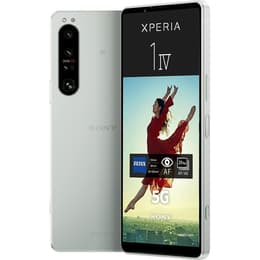

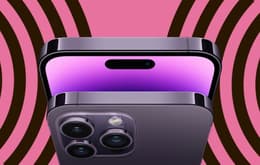
iPhone 14 Pro Max Vs Sony Xperia 1 IV

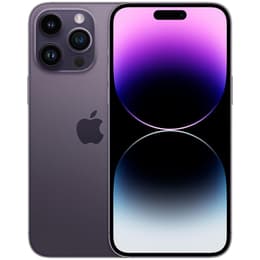
iPhone 14 Pro Max
iPhone 14 Pro Max
Starting at

Refurbished price:£325.00

Versus £1,199.00 new

See options
Sony Xperia 1 IV
Sony Xperia 1 IV
Starting at

Refurbished price:£347.00

Versus £1,500.00 new

See options

Ratings

The iPhone 14 Pro Max (released September 2022) and the Sony Xperia 1 IV (released June 2022) are both flagship smartphones from their respective manufacturers. While the iPhone 14 Pro Max operates on Apple's iOS ecosystem, the Sony Xperia 1 IV runs on Android, offering distinct user experiences. Key differentiators between these devices include their camera philosophies, display technologies, and overall design approaches.

Scores

Durability

When considering the longevity of a smartphone, factors like software support, build quality, and repairability play a significant role. Both devices offer robust construction, but their software update policies differ.

  • Release Timeline and Software Support: The iPhone 14 Pro Max, released in September 2022, typically receives iOS updates for approximately five to six years from its launch. This extended support ensures access to the latest features and security patches for a considerable period. The Sony Xperia 1 IV, launched in June 2022, generally receives two to three major Android OS updates and three to four years of security updates, which is a shorter window compared to the iPhone.
  • Durability Features: The iPhone 14 Pro Max features a Ceramic Shield front cover and an IP68 rating for water and dust resistance, indicating a high level of protection against environmental elements. The Sony Xperia 1 IV is equipped with Corning Gorilla Glass Victus on both the front and back, along with IP65/IP68 water and dust resistance.
  • Practical Lifespan: Users seeking the longest possible software longevity and consistent updates may find the iPhone 14 Pro Max more aligned with their needs. The Xperia 1 IV, while durable, will likely see its official software support end sooner.

Year of Release

2022

2022

Compatible with latest Update

Yes

No

OS

iOS

Android

Foldable

No

No

Performance

Both the iPhone 14 Pro Max and the Sony Xperia 1 IV are designed to deliver high-end performance, capable of handling demanding applications and multitasking with ease. Their approaches to achieving this performance, however, vary.

  • Processing Power: The iPhone 14 Pro Max is equipped with a powerful processor that ensures smooth operation across all tasks, from launching graphics-intensive games to editing high-resolution videos. Users can expect rapid app loading times and seamless transitions between applications. The Sony Xperia 1 IV also features a high-performance processor, providing a responsive user experience for gaming, content creation, and everyday productivity.
  • Multitasking and Storage: The iPhone 14 Pro Max comes with 6GB of RAM, which is sufficient for efficient multitasking within the iOS ecosystem. It offers various internal storage options, but without expandable storage. The Sony Xperia 1 IV, on the other hand, includes 12GB of RAM, which allows for extensive multitasking and keeping numerous applications open simultaneously without performance degradation. It also offers expandable storage via a microSD card, providing flexibility for users with large media libraries or extensive app collections.
  • Battery Behavior: The iPhone 14 Pro Max is known for its efficient power management, often providing a full day of heavy use. The Sony Xperia 1 IV features a larger battery capacity, which, combined with its processor, aims to deliver comparable endurance, though some users have noted potential for heat generation during intensive tasks.

Memory (GB)

6 GB

12 GB

Screen quality

The display is a primary interaction point for any smartphone, and both the iPhone 14 Pro Max and the Sony Xperia 1 IV offer high-quality viewing experiences, albeit with different characteristics.

  • Display Technology and Resolution: The iPhone 14 Pro Max features a 6.7-inch Super Retina XDR OLED display with a resolution of 2796 x 1290 pixels, resulting in sharp and detailed visuals. The Sony Xperia 1 IV boasts a 6.5-inch 4K HDR OLED display with a resolution of 3840 x 1644 pixels, offering an exceptionally high pixel density.
  • Refresh Rate and Brightness: The iPhone 14 Pro Max incorporates ProMotion technology, providing an adaptive refresh rate that can go up to 120Hz for smooth scrolling and responsiveness, and down to 1Hz for power efficiency. It also offers high peak brightness levels, making it easily viewable in bright outdoor conditions. The Sony Xperia 1 IV also features a 120Hz refresh rate, contributing to a fluid visual experience. Its display has seen improvements in brightness for better outdoor visibility.
  • Viewing Experience: The iPhone 14 Pro Max introduces the Dynamic Island, an interactive area around the front camera cutout that adapts to alerts and background activities. The Sony Xperia 1 IV maintains a bezel-inclusive design without a notch or punch-hole, which some users prefer for an uninterrupted viewing area.

Resolution

1290 x 2796

1644 x 3840

Screen type

LTPO Super Retina XDR OLED

OLED

Audiovisual

Both smartphones offer advanced camera systems designed to capture high-quality photos and videos, but they cater to slightly different photographic preferences and workflows.

  • Rear Camera System: The iPhone 14 Pro Max features a versatile triple-camera setup, including a 48MP main sensor that uses pixel-binning for improved low-light performance, a 12MP ultrawide, and a 12MP telephoto lens with 3x optical zoom. It also includes features like Photonic Engine for enhanced image processing and Action Mode for stabilized video. The Sony Xperia 1 IV also comes with a triple 12MP camera system, comprising a main, ultrawide, and a unique continuous optical zoom telephoto lens that can smoothly zoom between 3.5x and 5.2x.
  • Photography Features: The iPhone 14 Pro Max excels in computational photography, delivering consistent results across various lighting conditions with features like Smart HDR and Night mode. It also supports ProRAW for more editing flexibility. The Sony Xperia 1 IV emphasizes a more manual, professional-grade photography experience, offering granular control over settings and features like Real-time Eye AF and 20fps burst shooting across all lenses.
  • Video Recording: Both devices are capable of high-quality video recording. The iPhone 14 Pro Max supports 4K video at various frame rates, including Cinematic Mode for a shallow depth of field effect and ProRes video recording. The Sony Xperia 1 IV stands out with its ability to record 4K video at 120fps on all three rear cameras, appealing to videographers and content creators.
  • Audio Experience: The iPhone 14 Pro Max provides stereo speakers for a rich audio experience. The Sony Xperia 1 IV also features front-facing dual stereo speakers and notably includes a 3.5mm headphone jack, a feature less common in modern flagship smartphones, catering to users who prefer wired audio.

Main camera

48 megapixels

12 megapixels

Front camera

12 megapixels

12 megapixels

Miscellaneous

Beyond the core features, several other aspects contribute to the overall user experience and differentiate these two devices.

  • Connectivity and Ports: Both phones support 5G connectivity, Wi-Fi 6, and Bluetooth. The iPhone 14 Pro Max utilizes a Lightning port for charging and data transfer. The Sony Xperia 1 IV features a USB-C port, which offers broader compatibility with accessories and faster data transfer speeds.
  • Biometric Security: The iPhone 14 Pro Max relies on Face ID for secure facial recognition. The Sony Xperia 1 IV incorporates a side-mounted fingerprint sensor for biometric authentication.
  • Physical Design and Handling: The iPhone 14 Pro Max has dimensions of 160.7 x 77.6 x 7.85 mm and weighs 240 grams, featuring a stainless steel frame. The Sony Xperia 1 IV is slightly taller and narrower at 165 x 71 x 8.2 mm and lighter at 185 grams, with an aluminum frame. These differences can impact one-handed use and overall feel.
  • Unique Features: The iPhone 14 Pro Max includes Emergency SOS via satellite for communication in areas without cellular service and Crash Detection. The Sony Xperia 1 IV offers expandable storage via microSD, a feature absent in the iPhone.

Weight

120 g

185 g

Screen size (in)

6.7

6,5

Mobile network

5G

5G

SIM card

Physical SIM + eSIM

Physical SIM + eSIM

Carrier compatibility

Unlocked

Unlocked

Connector

Lightning

USB-C + Jack 3.5mm

The iPhone 14 Pro Max and the Sony Xperia 1 IV each present a compelling package, appealing to different user priorities. Users often praise the iPhone 14 Pro Max for its consistent performance, robust software ecosystem, and advanced computational photography capabilities that deliver reliable results in various scenarios. Its long-term software support is also a frequently cited advantage. Some common criticisms, however, include its reliance on the Lightning port and the closed nature of its operating system for users accustomed to more customization.

The Sony Xperia 1 IV is frequently lauded for its unique camera system, particularly the continuous optical zoom and the ability to record 4K 120fps video across all lenses, which resonates with photography and videography enthusiasts. The inclusion of a 3.5mm headphone jack and expandable storage are also significant advantages for many users. However, some users have noted concerns regarding potential overheating during intensive use and the shorter software update window compared to some competitors.

Users prioritizing a seamless, intuitive experience with long-term software support and advanced computational photography may find the iPhone 14 Pro Max well-suited to their needs. Conversely, individuals who value manual camera controls, a high-resolution 4K display, expandable storage, and the flexibility of the Android ecosystem, along with a traditional headphone jack, may lean towards the Sony Xperia 1 IV. Both devices are available as quality-assured refurbished options, providing an eco-friendly alternative for consumers.

See all articles

Our recent comparisons