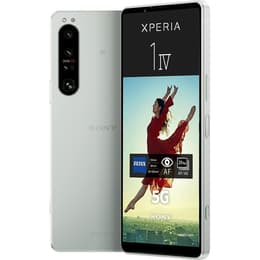
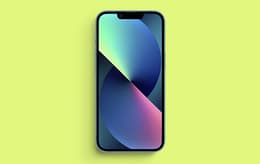
iPhone 13 Vs Sony Xperia 1 IV

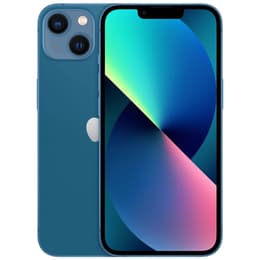
iPhone 13
iPhone 13
Starting at

Refurbished price:£205.00

Versus £599.00 new

See options
Sony Xperia 1 IV
Sony Xperia 1 IV
Starting at

Refurbished price:£346.00

Versus £1,500.00 new

See options

Ratings

The iPhone 13, released in late 2021, and the Sony Xperia 1 IV, launched in mid-2022, represent two distinct approaches to the modern smartphone experience. While the iPhone 13 is designed as a versatile, user-friendly device that integrates deeply with the iOS ecosystem, the Sony Xperia 1 IV is a specialised flagship tailored for content creators and multimedia enthusiasts. The primary differentiators lie in their physical proportions, camera philosophies, and operating systems, with the iPhone prioritising simplicity and the Xperia focusing on professional-grade manual control.

Operating on iOS and Android respectively, these devices offer vastly different software experiences. The iPhone 13 provides a streamlined interface with consistent updates, whereas the Xperia 1 IV offers the customisability of Android alongside Sony's unique tools for photography and cinematography. Choosing between them involves weighing the importance of a seamless, automated experience against the desire for granular hardware control and high-fidelity media consumption.

Scores

Durability

When evaluating how long these devices will remain functional and secure, software support and physical build quality are the primary factors to consider.

  • Software Longevity: The iPhone 13 benefits from Apple's historically long support cycles, with expected iOS updates and security patches continuing for several years. In contrast, the Sony Xperia 1 IV typically follows a shorter update path, which may result in a shorter functional lifespan for users who prioritise having the latest operating system features and security protocols.
  • Repairability and Maintenance: The iPhone 13 has a widespread network of service providers, making it relatively straightforward to replace batteries or screens. The Sony Xperia 1 IV, being a more niche device, may require more specialised attention for repairs, though its build is robust and designed to withstand daily wear.
  • Hardware Resilience: Both smartphones feature high-quality glass and metal constructions with water and dust resistance ratings. However, the iPhone's more common form factor means protective accessories are more readily available, potentially aiding its long-term physical preservation.

Year of Release

2021

2022

Compatible with latest Update

Yes

No

OS

iOS

Android

Foldable

No

No

Performance

Both devices are engineered to handle demanding tasks, though they manage system resources and power consumption in different ways to suit their target audiences.

  • System Responsiveness: The iPhone 13 is known for its fluid animations and rapid app switching, maintaining a consistent speed even as the device ages. The Xperia 1 IV, equipped with a high amount of temporary memory (RAM), excels at keeping multiple heavy applications open simultaneously, which is particularly useful for users who frequently jump between professional editing tools.
  • Battery Behaviour: In typical daily use, the iPhone 13 is highly efficient, often lasting through a full day of mixed tasks like browsing and messaging. The Xperia 1 IV houses a larger battery capacity to support its high-resolution screen, though intensive tasks like 4K video recording can deplete the charge more quickly than standard usage.
  • Storage Flexibility: While the iPhone 13 offers fixed internal storage options, the Xperia 1 IV includes a microSD card slot. This allows users to significantly expand their storage space for large video files or photo libraries without relying solely on cloud services.

Memory (GB)

4 GB

12 GB

Screen quality

The viewing experience is one of the most significant areas of divergence between these two smartphones, impacting everything from gaming to watching films.

  • Display Technology and Clarity: The iPhone 13 features a vibrant OLED display that provides excellent colour accuracy and deep blacks, suitable for all types of media. The Xperia 1 IV elevates this with a 4K resolution OLED panel, offering a level of detail and sharpness that is particularly noticeable when viewing high-definition content or fine text.
  • Refresh Rate and Smoothness: The Xperia 1 IV supports a 120Hz refresh rate, which makes scrolling through menus and playing supported games feel exceptionally smooth. The iPhone 13 is limited to a standard 60Hz refresh rate, which is functional and efficient but lacks the fluid visual motion found on the Sony device.
  • Aspect Ratio and Design: Sony uses a unique 21:9 'tall' aspect ratio with no notches or cutouts, providing an unobstructed cinematic view. The iPhone 13 uses a more traditional 19.5:9 ratio with a small notch at the top, which some users find more comfortable for one-handed use and vertical scrolling.

Resolution

1170 x 2532

1644 x 3840

Screen type

Super Retina XDR OLED

OLED

Audiovisual

While both phones can capture high-quality imagery, they cater to different styles of photography and videography, from casual snapshots to professional productions.

  • Camera Versatility: The iPhone 13 uses a dual-camera system that excels at 'point-and-shoot' photography, automatically optimising settings to produce pleasing results in most lighting conditions. The Xperia 1 IV features a triple-camera array, including a unique continuous optical zoom lens that allows for precise framing without losing image detail.
  • Manual Control and Software: Sony provides dedicated apps that mimic the interface of their professional Alpha cameras, giving users full control over shutter speed, ISO, and focus. The iPhone 13 focuses on computational photography, using software to enhance images instantly, which is ideal for users who want great results without manual adjustment.
  • Video and Audio Capture: The Xperia 1 IV is capable of recording 4K video at high frame rates across all its lenses, paired with high-quality microphones that reduce wind noise. The iPhone 13 is widely praised for its video stabilisation and 'Cinematic mode,' which adds a professional-looking blur to the background of videos automatically.

Main camera

12 megapixels

12 megapixels

Front camera

12 megapixels

12 megapixels

Miscellaneous

Practical features and physical handling characteristics often determine which device feels right in a user's hand during daily routines.

  • Connectivity and Ports: The Xperia 1 IV includes a 3.5mm headphone jack and a USB-C port, offering broad compatibility with traditional audio gear and modern peripherals. The iPhone 13 uses the Lightning port and requires adapters or wireless solutions for wired audio, though it supports MagSafe for convenient magnetic charging and accessories.
  • Biometrics and Security: For unlocking the device, the iPhone 13 relies on Face ID, which uses 3D facial mapping for secure access. The Xperia 1 IV utilises a fingerprint sensor integrated into the power button on the side, which some users prefer for its speed and the ability to unlock the phone before looking at it.
  • Dimensions and Handling: The iPhone 13 is shorter and wider, making it feel more substantial in the palm. The Xperia 1 IV is noticeably narrower and taller, a design choice that makes it easier to grip with one hand despite its larger screen size, though reaching the top of the display may require two hands.

Weight

173 g

185 g

Screen size (in)

6.1

6,5

Mobile network

5G

5G

SIM card

Physical SIM + eSIM

Physical SIM + eSIM

Carrier compatibility

Unlocked

Unlocked

Connector

Lightning

USB-C + Jack 3.5mm

In summary, the choice between the iPhone 13 and the Sony Xperia 1 IV depends largely on a user's technical priorities and how they intend to use their smartphone. Based on community feedback and user forums, the iPhone 13 is frequently praised for its reliability, ease of use, and the longevity of its software support. It is often the preferred choice for those who want a consistent experience that integrates seamlessly with other Apple products. Conversely, the Sony Xperia 1 IV receives acclaim from enthusiasts who value its 4K display, expandable storage, and the creative freedom offered by its manual camera controls, though some users note it can become warm during intensive tasks.

Users who prioritise a straightforward interface, long-term security updates, and a compact form factor will likely find the iPhone 13 better suited to their needs. Those who are passionate about mobile photography, high-fidelity audio, and cinematic media consumption may lean toward the Sony Xperia 1 IV for its specialised hardware. Both devices remain highly capable in 2026, and opting for a sustainable choice through a quality-assured refurbished option ensures these high-performance electronics stay in use longer. Choosing a refurbished model is an eco-friendly alternative that provides access to these flagship features while reducing environmental impact. Ultimately, both smartphones offer distinct strengths that cater to different lifestyles and professional requirements.
See all articles

Our recent comparisons