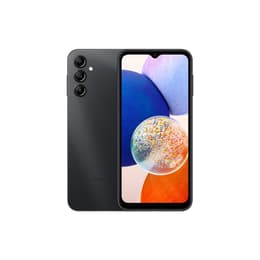
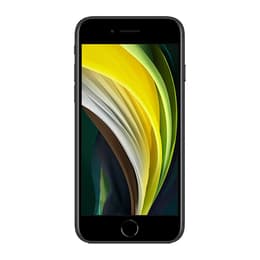

Galaxy A14 Vs iPhone SE (2020)

Galaxy A14
Galaxy A14
Starting at

Refurbished price:£81.00

Versus £269.00 new

See options
iPhone SE (2020)
iPhone SE (2020)
Starting at

Refurbished price:£67.00

Versus £289.00 new

See options

Ratings

The Samsung Galaxy A14 (2023) and the iPhone SE 2020 (2020) represent two distinct philosophies in the smartphone market. While the Galaxy A14 is a modern entry-level device designed with a focus on screen size and battery longevity, the iPhone SE 2020 is a compact, classic model that prioritises portability and the familiar iOS ecosystem. Despite being released three years apart, both devices remain relevant for users seeking reliable daily performance without the complexity of high-end flagship features.

The primary differentiators between these two handsets are their physical dimensions and their operating systems. The Galaxy A14 offers a large-format Android experience, whereas the iPhone SE 2020 provides a small-form-factor Apple experience. This comparison explores how these differences impact real-world usage, from battery endurance to screen clarity, helping you decide which device aligns best with your personal requirements and lifestyle.

Scores

Durability

When evaluating how long these devices will remain functional and secure, the release dates and manufacturer support cycles play a significant role in determining their practical lifespan.

  • Software Support and Longevity: The Galaxy A14 arrived in 2023, meaning it benefits from a more recent starting point for security patches and system updates. However, the iPhone SE 2020, despite its 2020 launch, belongs to a product line known for exceptionally long software support, often receiving updates for six years or more. Users can expect both devices to remain compatible with modern apps for several years, though the Galaxy A14 may have a slight edge in future-proofing due to its newer internal components.
  • Build Resilience and Repairability: The Galaxy A14 is constructed primarily from sturdy plastic, which is naturally resistant to shattering when dropped, though it may show scratches over time. The iPhone SE 2020 features a glass and aluminium design that feels solid but is more susceptible to cracks if handled without a case. Both models are well-supported by independent repair shops, making common fixes like screen replacements or battery swaps relatively straightforward and accessible.
  • Practical Lifespan: Given the battery degradation common in older electronics, the Galaxy A14 is likely to maintain its daily stamina for longer simply because it started with a much larger capacity. The iPhone SE 2020 may require a battery service sooner in its lifecycle to maintain peak performance levels.

Year of Release

2023

2020

Compatible with latest Update

No

Yes

OS

Android

iOS

Foldable

No

No

Performance

Performance in these devices is defined by how smoothly they handle everyday tasks like messaging, social media browsing, and light gaming, rather than raw technical specifications.

  • System Responsiveness: The iPhone SE 2020 is widely recognised for its fluid interface and rapid app launching, maintaining a high level of speed even as it ages. The Galaxy A14 provides a steady and reliable experience for standard multitasking, though users who frequently switch between many demanding applications may notice a more deliberate pace compared to the snappier response of the iPhone.
  • Battery Endurance: There is a notable difference in how these phones handle power. The Galaxy A14 is equipped with a high-capacity battery designed to last through a full day of heavy use, often extending into a second day for light users. The iPhone SE 2020 has a much smaller physical battery, which means active users will likely need to keep a charger nearby by late afternoon or early evening.
  • Storage and Multitasking: The Galaxy A14 often features the advantage of expandable storage via a memory card slot, allowing users to keep vast libraries of photos and videos locally. The iPhone SE 2020 relies on fixed internal storage, requiring users to manage their files more closely or utilise cloud services. In terms of multitasking, the Galaxy A14 handles background apps efficiently for a modern entry-level device, while the iPhone manages its resources to ensure the active app always feels responsive.

Memory (GB)

4 GB

3 GB

Screen quality

The viewing experience is perhaps the most immediate difference between these two smartphones, affecting everything from reading emails to watching movies.

  • Display Size and Immersion: The Galaxy A14 features a 6.6-inch display, providing a vast amount of screen real estate that is ideal for users who consume a lot of video content or prefer larger text for easier reading. In contrast, the iPhone SE 2020 uses a 4.7-inch screen, which is significantly smaller and may feel cramped for modern media consumption but is perfect for those who prefer a device that is easy to navigate with one thumb.
  • Resolution and Smoothness: The Galaxy A14 offers a high-definition resolution that ensures images and text appear sharp and clear. It also includes a faster refresh rate on certain versions, which makes scrolling through lists and social media feeds appear smoother. The iPhone SE 2020 uses a classic Retina display that provides excellent colour accuracy and clarity, though it lacks the fluid motion found on the newer Samsung panel.
  • Outdoor Visibility: For users who frequently use their phones outside, the Galaxy A14 is designed to reach brightness levels that help combat glare from the sun. The iPhone SE 2020 remains legible in most conditions, but its older display technology may struggle more in direct, bright light compared to the more modern panel on the Galaxy A14.

Resolution

1080 x 2408

750 x 1334

Screen type

PLS LCD

Retina IPS LCD

Audiovisual

While both devices are capable of capturing high-quality memories, they offer different tools for photography and video recording.

  • Camera Versatility: The Galaxy A14 boasts a triple-camera system, including a dedicated ultra-wide lens that allows users to capture more of a scene, such as landscapes or large group photos. The iPhone SE 2020 uses a single-lens approach, focusing on simplicity and high-quality processing for standard photos rather than offering multiple perspectives.
  • Image and Video Quality: The iPhone SE 2020 is frequently praised for its consistent performance, producing photos with natural colours and excellent skin tones. It is also highly regarded for its video stabilisation, making it a strong choice for users who record a lot of clips. The Galaxy A14 performs well in bright daylight, producing vibrant images that are ready for social media sharing, though it may require more stability in low-light environments.
  • Audio and Media Consumption: The iPhone SE 2020 features stereo speakers that provide a more balanced and immersive audio experience when watching videos without headphones. The Galaxy A14 typically uses a single speaker but retains a traditional 3.5mm headphone jack, which is a highly practical feature for users who prefer using wired earphones without needing an adapter.

Main camera

50 megapixels

12 megapixels

Front camera

13 megapixels

7 megapixels

Miscellaneous

Practical design choices and connectivity options can significantly influence the daily convenience of using a smartphone.

  • Portability and Handling: The iPhone SE 2020 is one of the most compact smartphones available, fitting easily into small pockets and being very light to hold for long periods. The Galaxy A14 is a much larger and heavier device, which offers a more substantial feel but generally requires two hands for secure operation and may be more noticeable when carried in a pocket.
  • Biometrics and Ports: The iPhone SE 2020 uses a front-mounted fingerprint sensor located in the home button, a classic design that many users find intuitive. The Galaxy A14 places its fingerprint sensor on the side power button, allowing for a more modern, all-screen look on the front. Additionally, the Galaxy A14 uses the universal USB-C charging standard, while the iPhone SE 2020 uses the proprietary Lightning port.
  • Connectivity and Materials: The Galaxy A14 is available in versions that support modern 5G networks, providing faster data speeds in supported areas. The iPhone SE 2020 is limited to 4G networks but includes wireless charging capabilities, a convenient feature that is absent from the Galaxy A14. The build materials reflect their eras, with the Samsung opting for practical plastic and the Apple using a traditional glass and metal sandwich.

Weight

201 g

148 g

Screen size (in)

6.6

4.7

Mobile network

4G

4G

SIM card

Dual Physical SIM

Physical SIM + eSIM

Carrier compatibility

Unlocked

Unlocked

In summary, the choice between the Galaxy A14 and the iPhone SE 2020 depends largely on your priorities regarding size, battery life, and software. Based on common user feedback found on community forums, the Galaxy A14 is highly valued for its expansive screen and its ability to last through a long day without needing a charge. It is often the preferred choice for students or professionals who use their phones as their primary media device. On the other hand, the iPhone SE 2020 receives praise for its compact dimensions and the continued speed of its operating system, making it a favourite for those who want a powerful tool that stays out of the way until it is needed.

Users who prioritise a large display for streaming and a battery that can keep up with heavy daily use will find the Galaxy A14 to be a well-suited companion. Conversely, users who value portability, one-handed use, and the simplicity of the iOS ecosystem may lean toward the iPhone SE 2020. For those looking to make a sustainable choice, opting for a quality-assured refurbished version of either device is an eco-friendly alternative that ensures a reliable experience while reducing electronic waste. Both smartphones offer a practical path to staying connected, with the Galaxy A14 focusing on modern endurance and the iPhone SE 2020 offering a classic, compact experience.

See all articles

Our recent comparisons