
Galaxy A14 Vs iPhone 13

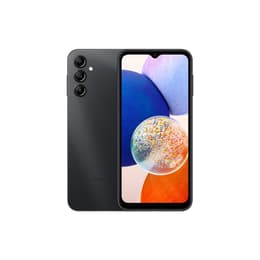
Galaxy A14
Galaxy A14
Starting at

Refurbished price:£82.00

Versus £269.00 new

See options
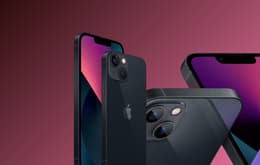
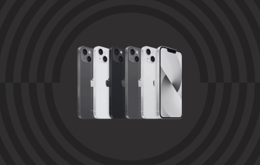
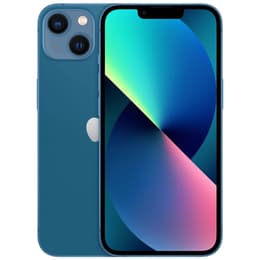
iPhone 13
iPhone 13
Starting at

Refurbished price:£205.00

Versus £599.00 new

See options

Ratings

The Samsung Galaxy A14, released in early 2023, and the Apple iPhone 13, launched in late 2021, represent two distinct approaches to the modern smartphone experience. While the Galaxy A14 serves as a contemporary entry-point into the Android ecosystem with a focus on essential features and a large footprint, the iPhone 13 remains a powerful contender within the iOS landscape, offering a more compact and high-performance build. These devices cater to different user priorities, ranging from battery longevity and expandable storage to seamless software integration and advanced processing capabilities.

Scores

Durability

The Galaxy A14 and iPhone 13 offer distinct advantages regarding their long-term physical and software resilience, influenced by their release dates and manufacturer support cycles.

  • Software Longevity: The iPhone 13, despite being older, typically receives operating system updates for many years, often extending five to six years beyond its initial release. The Galaxy A14 follows a structured update policy that provides several years of security patches, though it may receive fewer major version upgrades over its lifespan.
  • Build Resilience: The Galaxy A14 features a plastic construction that is naturally resistant to shattering when dropped, making it a practical choice for active environments. In contrast, the iPhone 13 uses a glass and aluminium frame with a specialised ceramic shield on the front, offering high scratch resistance but requiring more care to avoid cracks.
  • Repairability: Both manufacturers have made strides in making components more accessible, though the Galaxy A14's simpler internal layout often allows for more straightforward screen or battery replacements compared to the more tightly integrated components found in the iPhone 13.

Year of Release

2023

2021

Compatible with latest Update

No

Yes

OS

Android

iOS

Foldable

No

No

Performance

When evaluating how these devices handle daily tasks, the difference in their internal architecture becomes apparent through responsiveness, multitasking, and power management.

  • System Responsiveness: The iPhone 13 provides a very fluid experience, where demanding applications, high-resolution video editing, and intensive gaming run without hesitation. The Galaxy A14 is designed for reliable everyday use, handling social media, web browsing, and messaging smoothly, though it may show slight pauses when switching between many heavy apps simultaneously.
  • Battery Endurance: With a large internal battery capacity, the Galaxy A14 is built to last through extended periods of use, often reaching two days for moderate users. The iPhone 13 manages its power very efficiently, comfortably lasting a full day for most people, though it requires more frequent charging during heavy media consumption.
  • Storage Flexibility: The Galaxy A14 includes a slot for memory expansion, allowing users to add significant space for photos and files via a card. The iPhone 13 relies on fixed internal storage options, requiring users to select their needed capacity at the start or use cloud-based services for extra room.

Memory (GB)

4 GB

4 GB

Screen quality

The viewing experience differs significantly between these two models, primarily due to the underlying panel technology, refresh rates, and physical dimensions.

  • Display Technology: The iPhone 13 utilises an OLED panel, which provides deep blacks and high contrast, making it excellent for watching films or viewing photos in dark environments. The Galaxy A14 uses an LCD screen that offers natural colour reproduction and remains clear for general reading and navigation.
  • Motion Smoothness: The Galaxy A14 features a higher refresh rate, which makes scrolling through lists and navigating the interface feel more fluid. The iPhone 13 maintains a standard refresh rate that is well-optimised for the operating system, ensuring a consistent and stable visual experience.
  • Size and Clarity: Users who prefer a larger canvas will appreciate the 6.6-inch display on the Galaxy A14, which is well-suited for reading long articles. The iPhone 13 offers a more compact 6.1-inch screen with higher pixel density, resulting in very sharp text and fine details for media consumption.

Resolution

1080 x 2408

1170 x 2532

Screen type

PLS LCD

Super Retina XDR OLED

Audiovisual

Photography and media consumption are handled with different strengths on each device, reflecting their original design goals and hardware configurations.

  • Camera Versatility: The Galaxy A14 features a triple-lens system on the rear, including a dedicated macro lens for close-up photography and a depth sensor for portraits. The iPhone 13 uses a dual-lens setup that focuses on high-quality wide and ultra-wide shots, delivering consistent results across various lighting conditions.
  • Video and Low Light: The iPhone 13 is widely recognised for its stable video recording and its ability to capture clear images in very dim environments. The Galaxy A14 performs admirably in bright daylight, producing vibrant photos that are perfect for sharing on social platforms.
  • Audio Experience: For media playback, the iPhone 13 provides a balanced stereo sound through its speakers, creating an immersive feel for videos. The Galaxy A14 includes a single speaker that is clear for calls and podcasts, and it retains a traditional headphone port for those who prefer wired audio connections.

Main camera

50 megapixels

12 megapixels

Front camera

13 megapixels

12 megapixels

Miscellaneous

Practical daily usage is often determined by the small details in connectivity, biometric security, and the physical handling of the device.

  • Physical Connectivity: The Galaxy A14 uses a universal USB-C port for charging and data transfer, which is compatible with most modern electronics. The iPhone 13 uses the proprietary Lightning connector, which is a sturdy and well-established standard for the Apple ecosystem.
  • Security and Sensors: The iPhone 13 employs advanced facial recognition technology for secure unlocking and payments, which works even in total darkness. The Galaxy A14 uses a fingerprint sensor integrated into the power button, providing a quick and tactile way to access the device.
  • Handling and Weight: Due to its larger screen and battery, the Galaxy A14 is heavier and requires a larger grip, which may be a factor for users with smaller hands. The iPhone 13 is lighter and more compact, making it easier to use with one hand and more comfortable to carry in a pocket.

Weight

201 g

173 g

Screen size (in)

6.6

6.1

Mobile network

4G

5G

SIM card

Dual Physical SIM

Physical SIM + eSIM

Carrier compatibility

Unlocked

Unlocked

User feedback for the Galaxy A14 often highlights its impressive battery life and the convenience of the expandable storage, with many appreciating the large screen for daily browsing. Some users note that it can feel bulky and that the camera performance dips in low-light settings. Conversely, the iPhone 13 is frequently praised for its enduring speed and the high quality of its video recording, though some users find the fixed storage and the standard refresh rate to be limiting factors in a modern context.

Choosing between these two depends largely on individual needs. Users who prioritise a large display, long-lasting battery, and the flexibility of a headphone jack will find the Galaxy A14 to be a practical companion. Those who value a compact design, long-term software support, and high-end video capabilities may lean toward the iPhone 13. For those looking to make a sustainable choice, a quality-assured refurbished option provides a way to access these technologies while reducing environmental impact. Whether you opt for the newer, larger Android or the powerful, compact iPhone, choosing an eco-friendly alternative ensures you get a reliable device that fits your lifestyle. Both smartphones remain capable tools for staying connected and productive in 2026.
See all articles

Our recent comparisons