
Google Pixel 6 Vs iPhone SE (2020)

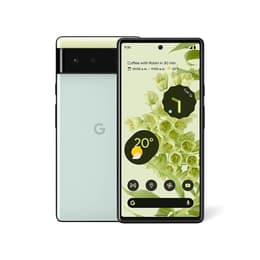
Google Pixel 6
Google Pixel 6
Starting at

Refurbished price:£101.00

Versus £649.99 new

See options
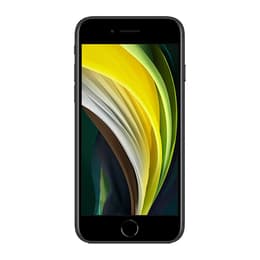
iPhone SE (2020)
iPhone SE (2020)
Starting at

Refurbished price:£67.00

Versus £289.00 new

See options

Ratings

The Google Pixel 6 (2021) and the iPhone SE (2020) represent two distinct approaches to the modern smartphone experience. While the Pixel 6 offers a large-format Android experience with a focus on modern display technology and advanced photography, the iPhone SE (2020) provides a compact, familiar iOS environment for users who prefer a traditional physical interface. These devices cater to different priorities, from screen real estate and connectivity to portability and ease of use. Both run their respective latest operating systems, though the user experience differs significantly between Google's software features and Apple's ecosystem.

Scores

Durability

The Google Pixel 6 and iPhone SE (2020) offer different long-term support timelines based on their respective release dates and manufacturer policies.

  • Software Longevity: The Pixel 6, launched in late 2021, receives regular security updates and version upgrades, though its official support window for major OS versions is generally shorter than Apple's typical cycle. The iPhone SE (2020), despite being older, benefits from the long-term software support characteristic of iOS, often receiving updates for six years or more from its release date.
  • Physical Build and Repair: The Pixel 6 features a robust glass and metal construction with high water resistance, while the iPhone SE (2020) uses a classic design that is well-understood by repair technicians. Choosing a quality-assured refurbished option can extend the life of these devices while supporting environmental sustainability.
  • Practical Lifespan: Users can expect both devices to remain functional for several years, though the iPhone SE's older hardware may show its age sooner in terms of battery health compared to the newer Pixel 6.

Year of Release

2021

2020

Compatible with latest Update

Yes

Yes

OS

Android

iOS

Foldable

No

No

Performance

Everyday responsiveness and multitasking capabilities differ significantly between these two models due to their internal configurations and operating systems.

  • System Responsiveness: The Pixel 6 handles demanding applications and heavy multitasking with ease, providing a fluid experience when switching between multiple open windows. The iPhone SE (2020) remains surprisingly quick for daily tasks like messaging and browsing, though it may struggle more with intensive modern games compared to the newer Pixel.
  • Battery Behavior: The Pixel 6 is designed to last through a full day of varied use, including media streaming and navigation. In contrast, the iPhone SE (2020) has a much smaller battery capacity, which often requires a mid-day charge for users who frequently use their phone for more than basic communication.
  • Storage and Multitasking: With more memory dedicated to active tasks, the Pixel 6 keeps more apps ready in the background, whereas the iPhone SE (2020) may need to reload apps more frequently when jumping between different tools.

Memory (GB)

8 GB

3 GB

Screen quality

The viewing experience is perhaps the most immediate difference between these two smartphones, impacting everything from reading text to watching videos.

  • Display Technology: The Pixel 6 utilizes an OLED panel, which provides deep blacks and high contrast, making it ideal for media consumption. The iPhone SE (2020) uses a traditional LCD, which offers natural colors but lacks the vibrant punch and energy efficiency of its competitor's screen.
  • Smoothness and Motion: With a higher refresh rate, the Pixel 6 delivers smoother scrolling and animations, creating a more responsive feel during navigation. The iPhone SE (2020) maintains a standard refresh rate that is functional but lacks the fluid motion found on more modern displays.
  • Size and Clarity: The 6.4-inch screen of the Pixel 6 offers significantly more space for content compared to the 4.7-inch screen of the iPhone SE (2020), which may feel cramped for users who frequently watch videos or edit documents on their device.

Resolution

1080 x 2400

750 x 1334

Screen type

AMOLED

Retina IPS LCD

Audiovisual

Photography and media playback are handled differently, with one device focusing on modern versatility and the other on reliable simplicity.

  • Camera Versatility: The Pixel 6 features a dual-lens system that includes an ultra-wide option, allowing users to capture more of a scene in a single shot. The iPhone SE (2020) relies on a single lens that performs well in bright light but offers less flexibility for creative compositions.
  • Low-Light Performance: In darker environments, the Pixel 6 uses advanced processing to pull out detail and reduce noise, whereas the iPhone SE (2020) lacks a dedicated night mode, resulting in darker and less detailed photos after sunset.
  • Audio and Video: Both devices offer stereo sound, but the larger body of the Pixel 6 allows for a fuller audio profile. For video, both can record in high definition, though the Pixel 6 provides more advanced stabilization features for smoother handheld footage.

Main camera

50 megapixels

12 megapixels

Front camera

8 megapixels

7 megapixels

Miscellaneous

Practical features like connectivity and physical dimensions play a major role in how these devices fit into a user's daily routine.

  • Connectivity Standards: The Pixel 6 supports 5G networks, providing faster data speeds in areas with coverage, while the iPhone SE (2020) is limited to 4G LTE. This makes the Pixel 6 more future-ready for users who rely on mobile data for large downloads or streaming.
  • Biometrics and Ports: The Pixel 6 uses an under-display fingerprint sensor for security and a USB-C port for charging and data. The iPhone SE (2020) retains the classic Home button with a physical fingerprint sensor and uses a Lightning port, which may be preferable for those already owning Apple accessories.
  • Portability and Handling: The iPhone SE (2020) is significantly smaller and lighter, making it easy to use with one hand and fit into small pockets. The Pixel 6 is a much larger device that usually requires two hands for comfortable operation but offers a more immersive experience.

Weight

207 g

148 g

Screen size (in)

6.4

4.7

Mobile network

5G

4G

SIM card

Physical SIM + eSIM

Physical SIM + eSIM

Carrier compatibility

Unlocked

Unlocked

On community forums, the Google Pixel 6 is frequently praised for its impressive camera capabilities and the smoothness of its high-refresh-rate display. However, some users have noted that the under-screen fingerprint sensor can be slower than traditional physical sensors. The iPhone SE (2020) receives consistent praise for its compact form factor and the reliability of its physical Home button, though the most common criticism involves its limited battery life, which many users find insufficient for a full day of heavy use.

Users prioritizing a modern, large-screen experience with advanced photography and 5G connectivity will likely find the Google Pixel 6 better suited to their needs. Conversely, users who prefer a small, lightweight device that is easy to operate with one hand and fits into the iOS ecosystem may lean toward the iPhone SE (2020). Both devices remain viable choices for different types of users, whether they are professionals needing a large canvas or students looking for a straightforward, portable tool. Choosing a sustainable choice like a refurbished model ensures these devices continue to provide utility while reducing electronic waste. Ultimately, the decision rests on whether one values the latest display and camera technology or the classic, compact efficiency of a traditional design.


See all articles

Our recent comparisons