iPhones
Compare models
Differences at a glance
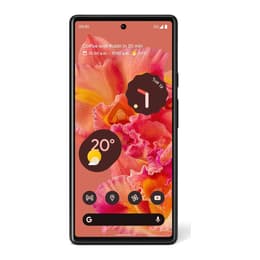
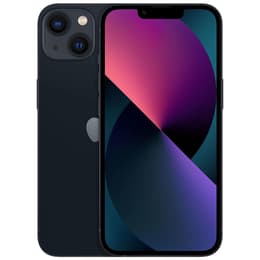
The Google Pixel 6 and the iPhone 13, both released in late 2021, represent a significant moment in the evolution of smartphones. While the Pixel 6 introduced a bold new design language and Google's first custom-built internal hardware, the iPhone 13 refined a successful formula with improvements to battery life and camera capabilities. The most fundamental difference lies in their software ecosystems, with the Pixel 6 offering a clean Android experience and the iPhone 13 running Apple's iOS, which influences everything from app availability to how the devices interact with other gadgets.
Both devices were designed to provide a high-end experience, but they cater to different user preferences regarding customisation and ecosystem integration. As we evaluate these models in 2026, they remain relevant choices for those seeking reliable performance without needing the absolute latest releases. This comparison explores how they stack up in terms of longevity, daily speed, and media capabilities to help you decide which fits your lifestyle best.
Colour
Storage
Both smartphones were launched in 2021, making them established options in the current market with distinct paths for future support.
Year of Release
Compatible with latest Update
OS
Foldable
In everyday use, both devices provide a fluid experience that handles modern applications without hesitation, though their internal efficiencies differ.
The viewing experience on these two devices differs primarily in size and the smoothness of motion on the display, affecting how you interact with content.
Resolution
Screen type
Photography and video are central to both devices, though they take different approaches to how images are processed and captured.
Main camera
Front camera
Beyond the core specs, the physical design and connectivity options play a large role in how these phones feel in the hand and integrate into your life.
Weight
Screen size (in)
Mobile network
SIM card
Carrier compatibility
The choice between the Google Pixel 6 and the iPhone 13 often comes down to a preference for software and specific hardware features. Based on user discussions and long-term reviews, the Pixel 6 is frequently praised for its innovative software features and its ability to take striking, high-contrast photos with minimal effort. However, some users have noted that the fingerprint sensor can occasionally be less responsive than traditional physical sensors. On the other hand, the iPhone 13 is lauded for its exceptional reliability, long-term software support, and its high-quality video recording capabilities, though some users find the standard refresh rate of the screen less modern compared to newer alternatives.
Users who prioritise a larger screen, unique software tools, and a highly capable still camera may find the Pixel 6 to be the better fit for their needs. Conversely, those who value a compact design, a vast ecosystem of accessories, and a device that will receive software updates for many years to come will likely lean toward the iPhone 13. For those looking to make a more sustainable choice, choosing a quality-assured refurbished option is an excellent way to enjoy these high-end features while reducing environmental impact. Both devices remain highly capable in 2026, and opting for an eco-friendly alternative ensures that these powerful tools continue to serve users well into the future.