Smartphones
Compare models
Differences at a glance
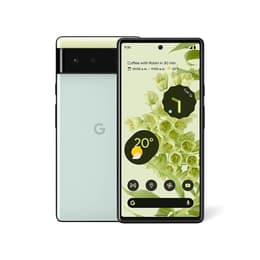
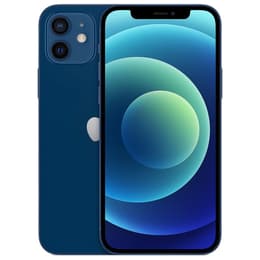
The Google Pixel 6, released in October 2021, and the iPhone 12, launched in October 2020, represent distinct approaches to the smartphone experience from their respective manufacturers. While both devices offer advanced features for communication and productivity, they differ significantly in their operating systems, design philosophies, and core functionalities. The Pixel 6 operates on Android, emphasizing Google's artificial intelligence and computational photography, whereas the iPhone 12 runs on iOS, known for its integrated ecosystem and consistent performance.
Colour
Storage
When considering the long-term usability of a device, software support and physical resilience are key factors. Both the Google Pixel 6 and the iPhone 12 offer robust build quality and ongoing software updates, though their timelines differ.
Year of Release
Compatible with latest Update
OS
Foldable
The performance of a smartphone is crucial for daily tasks, from launching applications to managing multiple processes simultaneously. Both devices deliver capable performance, but their underlying architectures lead to different user experiences.
The display is a primary interface for any smartphone, and both the Pixel 6 and iPhone 12 offer high-quality viewing experiences with distinct characteristics.
Resolution
Screen type
Camera capabilities are a significant consideration for many smartphone users, and both the Pixel 6 and iPhone 12 excel in different aspects of photography and videography.
Main camera
Front camera
Beyond core features, several practical elements contribute to the overall user experience, including connectivity, physical design, and security measures.
Weight
Screen size (in)
Mobile network
SIM card
Carrier compatibility
Connector
The Google Pixel 6 and iPhone 12 cater to different user preferences, each offering a compelling smartphone experience. The Pixel 6 is often praised for its exceptional camera capabilities, driven by Google's advanced computational photography, and its clean Android operating system with unique AI-powered features. However, some users initially reported concerns regarding inconsistent modem performance, software bugs, and the under-display fingerprint sensor, though many of these issues saw improvements through updates.
Conversely, the iPhone 12 is frequently lauded for its consistent and reliable performance, its dependable camera system, and its compact design that many find comfortable for daily use. Its long-term software support is also a significant advantage. Common criticisms have included its 60Hz display, which some users found less fluid than higher refresh rate screens, and battery life that could be insufficient for heavy users, particularly with 5G enabled.
Users prioritizing an advanced camera experience with a focus on AI-driven features and a pure Android interface may find the Google Pixel 6 well-suited to their needs. Those who value a highly integrated ecosystem, consistent performance, robust video capabilities, and a more compact form factor might lean towards the iPhone 12. Both devices represent solid choices, and for those seeking a more sustainable option, considering a quality-assured refurbished model of either device can be an eco-friendly alternative.