Galaxy S21 FE 5G Vs iPhone 12

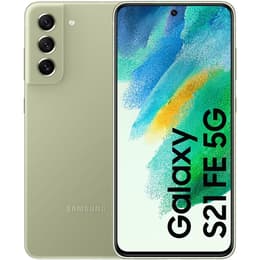
Galaxy S21 FE 5G
Galaxy S21 FE 5G
Starting at

Refurbished price:£122.00

Versus £759.00 new

See options
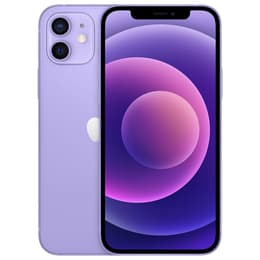
iPhone 12
iPhone 12
Starting at

Refurbished price:£139.00

Versus £649.00 new

See options

Ratings

The Samsung Galaxy S21 FE 5G, released in early 2022, and the Apple iPhone 12, launched in late 2020, are two smartphones that continue to offer reliable performance for modern users. While the Galaxy S21 FE provides a more recent hardware profile and a versatile triple-camera setup, the iPhone 12 remains a popular choice for its compact design and integration with the iOS ecosystem. Both devices support 5G connectivity, ensuring they are compatible with high-speed mobile networks. This comparison explores their practical differences to help you decide which fits your daily routine.

Scores

Durability

These two smartphones offer different approaches to longevity, both in terms of physical build and software support cycles.

  • Software Support: The iPhone 12 typically receives operating system updates for six to seven years from its release, while the Galaxy S21 FE is supported for four generations of Android updates, meaning both remain current for several years.
  • Physical Resilience: The iPhone 12 features a Ceramic Shield front for enhanced drop protection, whereas the Galaxy S21 FE utilises a durable plastic back that is less likely to crack than glass during accidental falls.
  • Sustainable Choice: Opting for a sustainable choice like a refurbished model is an effective way to extend the functional life of these devices while reducing environmental impact.

Year of Release

2022

2020

Compatible with latest Update

Yes

Yes

OS

Android

iOS

Foldable

No

No

Performance

Both devices handle everyday tasks with ease, though they manage power and multitasking in distinct ways based on their internal hardware.

  • System Responsiveness: The Galaxy S21 FE manages demanding applications and multitasking smoothly, while the iPhone 12 provides a fluid user experience with minimal lag when switching between active apps.
  • Battery Behaviour: With a larger physical battery, the Galaxy S21 FE generally lasts through a full day of heavy use, whereas the iPhone 12 relies on efficient software to provide consistent battery life throughout the day.
  • Storage and Memory: Both models offer multiple storage configurations, but the Galaxy S21 FE includes more temporary memory, which allows it to keep more background processes running without needing to refresh them.

Memory (GB)

8 GB

4 GB

Screen quality

The display is a primary point of interaction, and these models offer different visual experiences regarding size and motion clarity.

  • Display Technology: Both phones use OLED panels for deep blacks and vibrant colours, but the Galaxy S21 FE features a 120Hz refresh rate for smoother scrolling compared to the standard 60Hz on the iPhone 12.
  • Size and Clarity: The Galaxy S21 FE offers a larger 6.4-inch screen for an immersive viewing experience, while the iPhone 12’s 6.1-inch display provides a high pixel density for sharp text and images.
  • Outdoor Use: Both screens are designed to be bright enough for clear visibility in outdoor environments, ensuring that maps and messages are easy to read even in direct sunlight.

Resolution

1080 x 2340

1170 x 2532

Screen type

Dynamic AMOLED 2X

Super Retina XDR OLED

Audiovisual

The camera systems on these devices cater to different photographic needs, from wide-angle landscapes to detailed portraits.

  • Camera Versatility: The Galaxy S21 FE includes a dedicated telephoto lens for 3x optical zoom, while the iPhone 12 features a dual-camera system that focuses on high-quality wide and ultra-wide photography.
  • Video Recording: The iPhone 12 is highly regarded for its stable video capture and clear audio recording, making it a reliable tool for capturing memories or creating social media content.
  • Low-Light Performance: Both smartphones use advanced processing to improve photos taken in dark settings, with the Galaxy S21 FE often producing vivid colours in night-time shots.

Main camera

12 megapixels

12 megapixels

Front camera

32 megapixels

12 megapixels

Miscellaneous

Practical features such as charging ports and security sensors significantly impact how these devices feel in daily use.

  • Biometric Security: The Galaxy S21 FE uses an in-display fingerprint sensor for convenient access, while the iPhone 12 employs facial recognition technology that works reliably in various lighting conditions.
  • Connectivity and Ports: The Galaxy S21 FE uses the universal USB-C standard for charging, whereas the iPhone 12 uses the proprietary Lightning port, which may require specific accessories for data transfer.
  • Handling and Build: The iPhone 12 is lighter and thinner, making it comfortable for one-handed use, while the Galaxy S21 FE’s slightly larger dimensions accommodate its bigger screen and battery capacity.

Weight

177 g

164 g

Screen size (in)

6.4

6.1

Mobile network

5G

5G

SIM card

Physical SIM

Physical SIM + eSIM

Carrier compatibility

Unlocked

Unlocked

User discussions on community forums indicate that the Galaxy S21 FE 5G is frequently praised for its smooth 120Hz display and the flexibility provided by its zoom lens. Some users, however, mention that the plastic back feels different compared to the glass finishes found on other devices. Conversely, iPhone 12 users often highlight the device's consistent performance and the long-term reliability of the iOS platform, though the standard refresh rate is sometimes noted as a trade-off when compared to more recent screens.

Users who prioritise a larger, more fluid display for gaming or watching videos, along with the ability to zoom in on subjects, will find the Galaxy S21 FE 5G well-suited to their needs. Those who prefer a more compact, lightweight smartphone with a focus on video stability and a streamlined software experience may lean toward the iPhone 12. Choosing a quality-assured refurbished option is a sustainable choice that allows users to access these features while supporting a circular economy. Both devices remain capable and relevant in 2026, providing a dependable experience for a variety of professional and personal tasks.

See all articles

Our recent comparisons