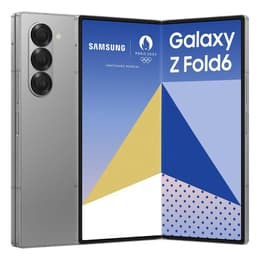
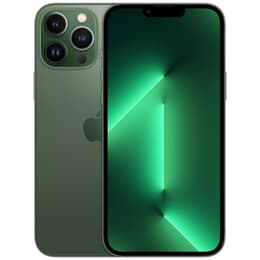

Galaxy Z Fold6 Vs iPhone 13 Pro Max

Galaxy Z Fold6
Galaxy Z Fold6
Starting at

Refurbished price:£524.00

Versus £1,685.59 new

See options
iPhone 13 Pro Max
iPhone 13 Pro Max
Starting at

Refurbished price:£272.00

Versus £1,259.00 new

See options

Ratings

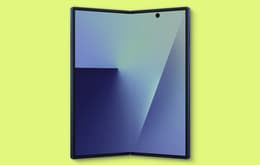
The Samsung Galaxy Z Fold6 (2024) and the Apple iPhone 13 Pro Max (2021) represent two distinct philosophies in the smartphone market. While the Galaxy Z Fold6 is a foldable device that transforms from a phone into a small tablet, the iPhone 13 Pro Max remains a classic, large-format smartphone known for its reliability.

Operating on Android and iOS respectively, these devices cater to different user habits, with the Fold6 focusing on productivity and the iPhone on a refined, traditional experience. Both models offer high-end features that remain relevant for modern users seeking performance and quality.

Scores

Durability

The three-year gap between these devices significantly impacts their long-term software outlook and physical resilience.

  • Software Longevity: The Galaxy Z Fold6 benefits from a commitment to seven years of updates, potentially keeping it current until 2031. In contrast, the iPhone 13 Pro Max, released in 2021, typically receives around six to seven years of support, meaning its update cycle may conclude sooner.
  • Physical Construction: The iPhone 13 Pro Max features a stainless steel frame and a flat glass design. The Galaxy Z Fold6 uses an intricate hinge mechanism and a flexible internal screen; while durable, the complexity of a folding screen introduces more moving parts than a standard smartphone.
  • Repair Accessibility: Standard smartphones like the iPhone are generally more straightforward to service for common issues, whereas the specialised nature of foldable displays requires specific expertise and components.

Year of Release

2024

2021

Compatible with latest Update

Yes

Yes

OS

Android

iOS

Foldable

Yes

No

Performance

Both devices handle demanding tasks with ease, though they manage power and multitasking in very different ways.

  • Multitasking and Workflow: The Galaxy Z Fold6 is designed for heavy multitasking, allowing users to run three apps simultaneously on its large internal display. The iPhone 13 Pro Max provides a very smooth, fluid experience where apps open instantly, though it is limited to one active app on screen at a time.
  • Battery Endurance: The iPhone 13 Pro Max is widely recognised for its exceptional battery life, often lasting well through a second day. The Galaxy Z Fold6 manages a full day of use, but the power requirements of its large internal screen mean it may require more frequent charging for heavy users.
  • Storage and Responsiveness: Both models offer generous storage options ranging from 128GB to 1TB. System responsiveness remains high on both, with the iPhone maintaining a reputation for consistent speed even as the device ages.

Memory (GB)

12 GB

6 GB

Screen quality

The display experience is the most significant differentiator, pitting a versatile folding screen against a high-quality traditional panel.

  • Display Versatility: The Galaxy Z Fold6 features two screens: a 6.3-inch outer display and a massive 7.6-inch inner display for immersive viewing. The iPhone 13 Pro Max uses a single 6.7-inch OLED display that is highly regarded for its colour accuracy and natural look.
  • Brightness and Outdoor Use: For users who frequently use their phones outside, the Galaxy Z Fold6 offers a higher peak brightness, making the screen easier to read under direct sunlight. The iPhone 13 Pro Max remains very clear outdoors but does not reach the same maximum brightness levels.
  • Smoothness of Motion: Both devices utilise high refresh rate technology, which ensures that scrolling through feeds or navigating menus feels incredibly smooth and responsive to the touch.

Resolution

1856 x 2160

1284 x 2778

Screen type

Foldable Dynamic LTPO AMOLED 2X

Super Retina XDR OLED

Audiovisual

Photography and media consumption are handled with high precision by both devices, though their hardware configurations differ.

  • Camera Versatility: The Galaxy Z Fold6 utilises a triple-lens system with a high-resolution main sensor and a dedicated telephoto lens. The iPhone 13 Pro Max also uses a triple-camera array, which is frequently praised for its natural skin tones and consistent performance across all lenses.
  • Video Capabilities: The iPhone 13 Pro Max is often the preferred choice for mobile videographers due to its excellent stabilisation and cinematic modes. The Galaxy Z Fold6 provides high-quality video recording with the added benefit of being able to prop the phone up to record hands-free.
  • Audio Experience: Both smartphones feature stereo speakers that provide clear audio for media. The wider physical separation of the speakers when the Fold6 is unfolded creates a more expansive soundstage compared to the more localised audio of the iPhone.

Main camera

50 megapixels

12 megapixels

Front camera

4 megapixels

12 megapixels

Miscellaneous

Practical daily usage is influenced by the physical footprint and the specific features each manufacturer includes.

  • Biometrics and Security: The iPhone 13 Pro Max relies on facial recognition technology, which is fast and works well in most lighting. The Galaxy Z Fold6 uses a fingerprint sensor built into the power button, which many users find convenient for unlocking the device quickly.
  • Connectivity and Ports: The Galaxy Z Fold6 uses the universal USB-C standard for charging, while the iPhone 13 Pro Max uses the Lightning port. Both support 5G connectivity, ensuring fast mobile data speeds where network coverage is available.
  • Weight and Handling: The iPhone 13 Pro Max is a heavy, wide device. The Galaxy Z Fold6 is even heavier and thicker when folded, but its narrow outer screen makes it easy to grip for one-handed texting, while the unfolded mode requires two hands.

Weight

239 g

238 g

Screen size (in)

7.6

6.7

Mobile network

5G

5G

SIM card

Dual Physical SIM + eSIM

Physical SIM + eSIM

Carrier compatibility

Unlocked

Unlocked

Users on community forums often highlight the iPhone 13 Pro Max as a 'workhorse' due to its legendary battery life and the stability of its software. It is frequently recommended for those who want a device that 'just works' without any learning curve. On the other hand, the Galaxy Z Fold6 receives praise for its versatility and its ability to replace a tablet for productivity tasks, though some users note the crease in the middle of the screen as a minor distraction.

Users prioritising maximum battery life, a familiar interface, and a robust traditional design will likely find the iPhone 13 Pro Max better suited to their needs. Conversely, those who prioritise multitasking, enjoy reading or watching videos on a larger canvas, and want the latest in mobile innovation will lean toward the Galaxy Z Fold6. Choosing a quality-assured refurbished option for either of these devices is a sustainable choice that helps reduce electronic waste. Ultimately, the decision rests on whether you prefer the proven reliability of a classic flagship or the versatile, expansive potential of a foldable screen. Both represent significant achievements of their respective eras, offering high-end experiences as an eco-friendly alternative to buying brand new.

See all articles

Our recent comparisons