
Compare models
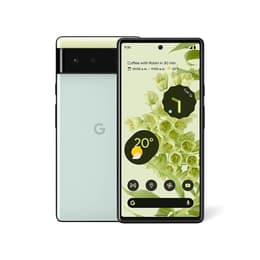
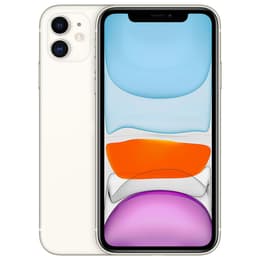
Google Pixel 6 Vs iPhone 11
- 1-year minimum warranty
- Free delivery on all items
- Free 30-day returns
Differences at a glance
The Google Pixel 6, released in 2021, and the iPhone 11, launched in 2019, represent different eras of smartphone technology. While the Pixel 6 runs on the Android operating system, the iPhone 11 utilises Apple’s iOS. The primary differences lie in their release dates and the resulting hardware advancements, particularly regarding mobile network connectivity and display technology. This comparison explores how these two devices perform for modern users in 2026, focusing on practical daily usage and long-term reliability.
Both smartphones were designed to offer a high-quality experience, but the two-year gap between their launches means they cater to slightly different user expectations in terms of screen fluidity and camera capabilities. Understanding these distinctions is essential for anyone evaluating these models for their current needs.
Available Models
Colour
Storage (GB)
Scores
Durability
The two-year gap between these devices significantly impacts their expected lifespan and software relevance in 2026.
- Software Support: The iPhone 11 has enjoyed a long period of updates, but as a 2019 model, it is reaching the end of its official software support cycle, whereas the Pixel 6, launched in 2021, typically receives security updates for a longer duration from its release date.
- Physical Resilience: Both phones feature glass and metal constructions with water resistance ratings, though the Pixel 6 uses a more modern protective glass on the front which offers improved scratch resistance during daily handling.
- Repairability: Both models are well-supported by independent repair shops, making it relatively straightforward to replace common components like batteries or screens to extend their functional life.
Year of Release
2021
2019
Compatible with latest Update
Yes
Yes
OS
Android
iOS
Foldable
No
No
Performance
Despite the age difference, both devices remain capable for standard tasks, though they handle demanding applications differently in a modern context.
- Daily Responsiveness: The Pixel 6 provides a fluid experience when switching between multiple apps or handling intensive tasks, while the iPhone 11 remains surprisingly smooth for social media and browsing due to efficient software integration.
- Battery Longevity: The Pixel 6 houses a larger battery capacity designed to last through a full day of mixed use, whereas the iPhone 11, while efficient, may require more frequent charging if the battery has seen heavy use over the years.
- Storage and Multitasking: With more memory dedicated to active tasks, the Pixel 6 can keep more applications open in the background without needing to reload them, which is beneficial for users who multitask heavily.
Screen quality
The viewing experience marks one of the most noticeable differences between these two generations of smartphones, affecting everything from reading to media consumption.
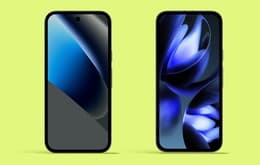
- Display Technology: The Pixel 6 utilises an AMOLED screen that provides deep blacks and high contrast, while the iPhone 11 uses an LCD panel which offers natural colours but lacks the true black levels of its counterpart.
- Motion Smoothness: A higher refresh rate on the Pixel 6 makes scrolling through news feeds and system animations appear much smoother than the standard rate found on the iPhone 11.
- Outdoor Visibility: The Pixel 6 display can reach higher brightness levels, making it easier to read text or view photos when used directly under bright sunlight compared to the iPhone 11.
Resolution
1080 x 2400
828 x 1792
Screen type
AMOLED
Liquid Retina IPS LCD
Audiovisual
Both manufacturers prioritise photographic quality, though they take different approaches to image processing and hardware capabilities.
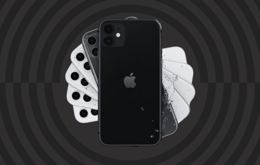
- Photography Versatility: The Pixel 6 features a high-resolution main sensor that excels at capturing fine detail and performing in low-light conditions, while the iPhone 11 offers a reliable dual-camera system that produces consistent, natural-looking images.
- Video Capabilities: The iPhone 11 is frequently noted for its stable video recording and smooth transitions between lenses, making it a dependable choice for casual filming.
- Audio Experience: Both devices provide stereo sound through their speakers, offering clear audio for podcasts and videos, though the Pixel 6 microphones are particularly effective at isolating voices during calls in noisy environments.
Main camera
50 megapixels
12 megapixels
Front camera
8 megapixels
12 megapixels
Miscellaneous
Practical features like connectivity and physical design play a significant role in how these devices feel and function in daily life.
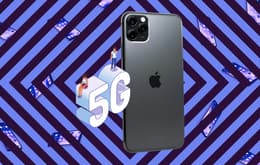
- Network Connectivity: The Pixel 6 supports 5G networks, allowing for faster data speeds in compatible areas, while the iPhone 11 is limited to 4G LTE connectivity.
- Biometric Security: Users interact with these devices differently to unlock them; the Pixel 6 uses a fingerprint sensor located under the display, whereas the iPhone 11 relies on facial recognition technology.
- Physical Handling: The iPhone 11 is slightly more compact and rounded, which some users find easier to hold with one hand, while the Pixel 6 has a more distinct, angular design with a prominent camera bar.
Weight
207 g
194 g
Screen size (in)
6.4
6.1
Mobile network
5G
4G
SIM card
Physical SIM + eSIM
Physical SIM + eSIM
Carrier compatibility
Unlocked
Unlocked
Connector
USB-C
Lightning
What the community thinks
User consensus on forums like Reddit suggests that the iPhone 11 is still respected for its enduring build quality and the simplicity of the iOS ecosystem, though many note that its screen and lack of 5G feel dated in 2026. Conversely, the Pixel 6 is praised for its vibrant display and excellent still photography, though some early users reported occasional software inconsistencies that have largely been addressed through updates.
Users who prioritise a modern, high-contrast screen and faster mobile data speeds will likely find the Pixel 6 better suited to their needs. Those who prefer a more compact form factor and are already invested in a specific software ecosystem may lean toward the iPhone 11. Choosing a quality-assured refurbished option for either device is a sustainable choice that helps reduce electronic waste while providing a reliable smartphone experience. Both phones remain functional choices for different priorities, whether the focus is on the latest connectivity or a familiar, straightforward interface.