
Galaxy Z Flip6 Vs Google Pixel 8 Pro

Galaxy Z Flip6
Galaxy Z Flip6
Starting at

Refurbished price:£335.00

Versus £1,011.35 new

See options
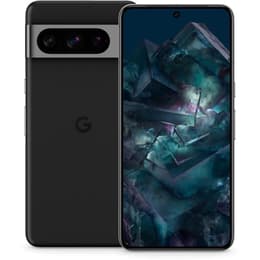
Google Pixel 8 Pro
Google Pixel 8 Pro
Starting at

Refurbished price:£253.00

Versus £960.91 new

See options

Ratings

The Samsung Galaxy Z Flip6, released in July 2024, and the Google Pixel 8 Pro, launched in October 2023, represent distinct approaches to the modern smartphone experience. While the Z Flip6 offers a unique clamshell foldable design, the Pixel 8 Pro adheres to a more traditional slab form factor. Both devices operate on the Android platform, with Samsung's One UI overlay on the Z Flip6 and Google's pure Android experience on the Pixel 8 Pro, each bringing their own set of features and interface philosophies. The primary differentiators lie in their physical design, camera capabilities, and software longevity commitments.

Scores

Durability

When considering the long-term usability of these devices, both the Galaxy Z Flip6 and the Pixel 8 Pro offer substantial software support, though their physical designs present different durability considerations.

  • Software Longevity: The Galaxy Z Flip6 is backed by Samsung with a commitment of seven generations of Android OS updates and seven years of security updates, ensuring extended software relevance. Similarly, the Google Pixel 8 Pro also offers an impressive seven years of OS and security updates, providing a long lifespan for software features and security patches.
  • Physical Durability: The Galaxy Z Flip6 features a foldable design with Corning Gorilla Glass Victus 2 protecting its cover screen and back panel, while the inner display uses ultra-thin glass (UTG). It carries an IP48 rating for dust and water resistance, indicating protection against solid objects and splashes. The Pixel 8 Pro, with its traditional design, utilizes Gorilla Glass Victus 2 for both its front and back, and boasts an IP68 rating, signifying comprehensive dust and water immersion resistance.
  • Real-world Wear: While the Z Flip6's hinge has seen improvements for better shock and pressure handling, some long-term user reports on foldable devices mention potential issues like screen protector peeling or visible creases over extended use. The Pixel 8 Pro's flat display and solid construction generally offer a robust feel, though its larger size might make it more prone to drops if not handled carefully.

Year of Release

2024

2023

Compatible with latest Update

Yes

Yes

Foldable

Yes

No

Performance

Both smartphones are equipped with current-generation processors designed to handle demanding applications and multitasking, though they approach performance with different architectural philosophies.

  • Processing Power: The Galaxy Z Flip6 is powered by a processor optimized for Galaxy devices, which contributes to smooth operation across various applications and gaming. The Pixel 8 Pro features Google's Tensor G3 processor, which is specifically designed with a strong emphasis on artificial intelligence and machine learning tasks, enhancing features like computational photography and voice processing.
  • Multitasking and Storage: The Galaxy Z Flip6 comes with 12GB of RAM and offers storage options of 256GB or 512GB, utilizing UFS 4.0 for faster data access. The Pixel 8 Pro also includes 12GB of RAM and is available with 128GB, 256GB, 512GB, or 1TB of UFS 3.1 storage. Both configurations are capable of managing multiple applications simultaneously without significant slowdowns.
  • Battery Performance: The Galaxy Z Flip6 houses a 4000 mAh battery, which has shown improved endurance compared to its predecessors, often lasting a full day for many users. The Pixel 8 Pro is equipped with a larger 5050 mAh battery. While it generally provides all-day power, some users report that its battery life can vary depending on usage patterns and display settings.

Memory (GB)

12 GB

12 GB

Screen quality

The display experience on these two devices is a significant point of differentiation, primarily due to the Z Flip6's foldable nature and the Pixel 8 Pro's focus on a high-fidelity traditional screen.

  • Main Display Technology: The Galaxy Z Flip6 features a 6.7-inch Dynamic AMOLED 2X main display with a resolution of 1080 x 2640 pixels and an adaptive refresh rate ranging from 1Hz to 120Hz. The Pixel 8 Pro sports a 6.7-inch LTPO OLED display, marketed as Super Actua, offering a sharper resolution of 1344 x 2992 pixels and a dynamic refresh rate from 1Hz to 120Hz.
  • Brightness and Clarity: The Z Flip6's main screen can reach a peak brightness of 2600 nits, providing good visibility in various lighting conditions. The Pixel 8 Pro's display is also notably bright, with a peak brightness of 2400 nits and 1600 nits for HDR content, ensuring excellent outdoor readability and vibrant media consumption.
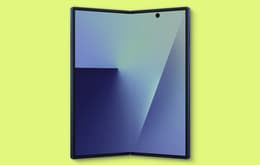
  • Secondary Screen and Form Factor: A unique aspect of the Z Flip6 is its 3.4-inch Super AMOLED cover display, which has a resolution of 720 x 748 pixels and a 60Hz refresh rate. This external screen allows for quick interactions and notifications without unfolding the device. The Pixel 8 Pro, being a traditional smartphone, does not have a secondary display, offering a consistent viewing experience across its single, flat screen.

Resolution

1080 x 2640

1344 x 2992

Screen type

Foldable Dynamic LTPO AMOLED 2X

LTPO OLED

Audiovisual

Both smartphones offer advanced camera systems, but they excel in different areas, catering to varying user preferences for photography and videography.

  • Rear Camera Systems: The Galaxy Z Flip6 is equipped with a dual-camera setup on the rear, featuring a 50MP main sensor with optical image stabilization (OIS) and a 12MP ultrawide lens. The Google Pixel 8 Pro boasts a more versatile triple-camera system, including a 50MP main sensor with OIS, a 48MP ultrawide lens, and a 48MP telephoto lens capable of 5x optical zoom.
  • Photography Performance: The Z Flip6's upgraded main sensor captures detailed images, with improvements noted in low-light conditions and overall image processing. The Pixel 8 Pro is renowned for its computational photography, delivering consistently high-quality photos with excellent dynamic range and strong low-light performance across all its lenses. It also offers advanced features like a Pro mode for greater control over settings.
  • Video and Selfies: Both devices are capable of high-quality video recording. For selfies, the Z Flip6 has a 10MP front camera, and its foldable design allows users to utilize the higher-quality rear cameras for selfies via the cover screen. The Pixel 8 Pro features a 10.5MP front camera, which performs well for video calls and self-portraits, though some users note that in-app camera performance can vary.

Main camera

50 megapixels

50 megapixels

Front camera

10 megapixels

10.5 megapixels

Miscellaneous

Beyond core specifications, several practical elements contribute to the overall user experience and differentiate these two devices.

  • Form Factor and Handling: The Galaxy Z Flip6's clamshell foldable design allows it to fold into a compact size, making it highly portable and easy to store in smaller pockets. When unfolded, it offers a full-sized smartphone experience. The Google Pixel 8 Pro maintains a traditional slab design, which, while larger, provides a consistent and rigid form factor. Its dimensions and weight (213g) are typical for a flagship smartphone, offering a substantial feel in hand. The Z Flip6 is lighter at 187g.
  • Connectivity and Ports: Both devices support 5G connectivity and Bluetooth 5.3. The Z Flip6 supports Wi-Fi 6E, while the Pixel 8 Pro is equipped with the newer Wi-Fi 7 standard, offering potentially faster wireless speeds where available. Both smartphones feature a USB-C port for charging and data transfer.
  • Biometrics and Other Features: The Galaxy Z Flip6 incorporates a side-mounted fingerprint sensor for secure unlocking. The Pixel 8 Pro utilizes an under-display fingerprint sensor and also offers secure face unlock. Additionally, the Pixel 8 Pro includes a unique temperature sensor, which can be used for various measurements.

Weight

187 g

213 g

Screen size (in)

6.7

6.7

Mobile network

5G

5G

SIM card

Physical SIM + eSIM

Physical SIM + eSIM

Carrier compatibility

Unlocked

Unlocked

The Samsung Galaxy Z Flip6 and Google Pixel 8 Pro cater to different user priorities, each excelling in its own domain. User feedback for the Galaxy Z Flip6 often praises its compact and stylish foldable design, which offers a fresh take on smartphone portability. The improved battery life and enhanced performance are also frequently highlighted as positive advancements. However, some users express ongoing concerns about the long-term durability of the foldable screen, such as the visibility of the crease or the screen protector peeling over time.

Conversely, the Google Pixel 8 Pro consistently receives acclaim for its exceptional camera system, particularly its computational photography capabilities and strong low-light performance. Its extended software support, promising seven years of updates, is a significant draw for users seeking longevity. The bright and vibrant display is also a common point of praise. Some criticisms include the Tensor G3 processor not always matching the raw benchmark performance of competitors, and occasional inconsistencies in battery life for very heavy users.

Users prioritizing a highly portable, fashion-forward device with a unique interactive experience and solid everyday performance may find the Galaxy Z Flip6 well-suited to their needs. Its ability to fold into a smaller footprint offers practical advantages for those who value compactness. On the other hand, individuals who place a premium on a top-tier camera, a pure Android software experience with extensive long-term support, and advanced AI features will likely lean towards the Google Pixel 8 Pro. This device is particularly appealing to photography enthusiasts and those who appreciate Google's software innovations.

For those considering either of these devices, exploring quality-assured refurbished options can be an eco-friendly alternative to purchasing new, offering a sustainable choice without compromising on functionality.

See all articles

Our recent comparisons