
Google Pixel 8 Pro Vs iPhone 12 Pro

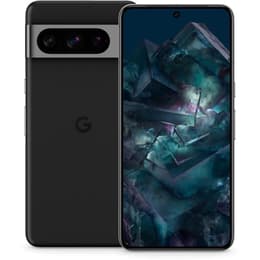
Google Pixel 8 Pro
Google Pixel 8 Pro
Starting at

Refurbished price:£253.00

Versus £960.91 new

See options
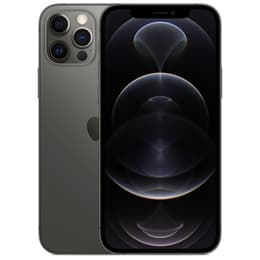
iPhone 12 Pro
iPhone 12 Pro
Starting at

Refurbished price:£205.00

Versus £879.00 new

See options

Ratings

The Google Pixel 8 Pro (2023) and the iPhone 12 Pro (2020) are both premium smartphones, but they hail from different generations and operating systems. The Pixel 8 Pro runs on Android, while the iPhone 12 Pro operates on iOS. This comparison will highlight the distinctions in their capabilities, focusing on how their respective advancements and design philosophies cater to different user needs.

Scores

Durability

When considering the practical lifespan of these devices, several factors come into play, including their release timelines, software support, and ease of repair.

  • Release Timeline: The Google Pixel 8 Pro was released in October 2023, making it a more recent device. The iPhone 12 Pro, launched in October 2020, is several years older.
  • OS Support: Google has committed to providing seven years of OS and security updates for the Pixel 8 Pro, extending its software longevity significantly. The iPhone 12 Pro, while still receiving updates, is expected to have a shorter remaining support window, typically around 5-6 years from its release.
  • Repairability: The Pixel 8 Pro generally receives a decent repairability score, with some sources giving it a 7 out of 10, noting that self-repairs are possible for some components. However, other assessments indicate a lower score due to strong adhesives and soldered components. The iPhone 12 Pro received a repairability score of 6 out of 10 from iFixit, with display and battery replacements being prioritized in its design, though proprietary screws and increased waterproofing can complicate repairs.

Year of Release

2023

2020

Compatible with latest Update

Yes

Yes

Foldable

No

No

Performance

The performance of a smartphone is crucial for daily tasks, from launching applications to managing multiple processes simultaneously. Both devices offer capable performance for their respective generations.

  • Storage Options: Both devices offer various internal storage configurations. The iPhone 12 Pro started with 128GB, 256GB, and 512GB options. The Pixel 8 Pro also offers multiple storage tiers, including a 1TB option in some regions.
  • Battery Behavior: The Pixel 8 Pro features a larger 5050 mAh battery, contributing to good battery life for typical use. The iPhone 12 Pro has a 2815 mAh battery, which provided acceptable battery life for its time, often lasting a full day with moderate use, but heavy usage, especially with 5G, could lead to more frequent charging.
  • System Responsiveness: The Pixel 8 Pro, with its newer processor, handles demanding applications and multitasking smoothly, offering a responsive user experience. The iPhone 12 Pro, powered by its A14 Bionic chip, also delivers excellent performance for its generation, ensuring snappy operation and smooth handling of apps and games.

Memory (GB)

12 GB

6 GB

Screen quality

The display is a primary interface for smartphone interaction, and both models offer distinct visual experiences.

  • Display Technology: The Pixel 8 Pro features an LTPO OLED display, which allows for variable refresh rates, contributing to power efficiency. The iPhone 12 Pro uses a Super Retina XDR OLED display. Both OLED technologies provide deep blacks and vibrant colors.
  • Resolution and Clarity: The Pixel 8 Pro has a 6.7-inch display with a resolution of 2992 x 1344 pixels, resulting in a sharp image. The iPhone 12 Pro has a 6.1-inch display with a resolution of 2532 x 1170 pixels, also offering clear visuals.
  • Brightness and Refresh Rate: The Pixel 8 Pro's display can reach a peak brightness of up to 2400 nits, making it highly visible in bright outdoor conditions, and features a 1-120Hz adaptive refresh rate for smooth scrolling and responsiveness. The iPhone 12 Pro offers a typical maximum brightness of 800 nits and a peak of 1200 nits for HDR content, with a standard 60Hz refresh rate.

Resolution

1344 x 2992

1170 x 2532

Screen type

LTPO OLED

Super Retina XDR OLED

Audiovisual

Both smartphones are equipped with advanced camera systems designed to capture high-quality photos and videos, though their approaches and capabilities differ due to their generational gap.

  • Camera System Capabilities: The Pixel 8 Pro features a versatile triple camera setup, including a 50MP main, 48MP ultrawide, and 48MP telephoto lens with 5x optical zoom. The iPhone 12 Pro also has a triple 12MP camera system, comprising wide, ultrawide, and telephoto lenses with 2x optical zoom.
  • Photography Performance: The Pixel 8 Pro excels in computational photography, offering excellent image quality, particularly in low light, with good dynamic range and natural colors. Its Night Sight mode is effective in very dark conditions. The iPhone 12 Pro also delivers strong photographic results, with good detail and color accuracy in well-lit conditions, and its Night Mode significantly brightens low-light scenes.
  • Video Recording Quality: The Pixel 8 Pro offers detailed 4K video recording with good stabilization and improved audio. The iPhone 12 Pro is capable of HDR video recording with Dolby Vision in 4K at up to 60 frames per second, providing high-quality video capture.

Main camera

50 megapixels

12 megapixels

Front camera

10.5 megapixels

12 megapixels

Miscellaneous

Beyond core performance and camera, several practical elements contribute to the overall user experience of these devices.

  • Connectivity Options: The Pixel 8 Pro supports newer standards like Wi-Fi 7 and Bluetooth 5.3, alongside 5G connectivity. The iPhone 12 Pro supports 5G, Wi-Fi 6, and Bluetooth 5.0.
  • Port Types: The Pixel 8 Pro uses a USB-C 3.2 port for charging and data transfer. The iPhone 12 Pro utilizes Apple's proprietary Lightning port.
  • Biometric Security: The Pixel 8 Pro offers both an under-display fingerprint sensor and face unlock for secure access. The iPhone 12 Pro relies on Face ID for biometric authentication.
  • Dimensions and Build: The Pixel 8 Pro is slightly larger and heavier at 162.6 x 76.5 x 8.8 mm and 213g, featuring a glass front and back with Gorilla Glass Victus 2 and an aluminum frame. The iPhone 12 Pro is more compact and lighter at 146.7 x 71.5 x 7.4 mm and 189g, with a Ceramic Shield front, glass back, and stainless steel frame. Both devices carry an IP68 rating for water and dust resistance.

Weight

213 g

187 g

Screen size (in)

6.7

6.1

Mobile network

5G

5G

SIM card

Physical SIM + eSIM

Physical SIM + eSIM

Carrier compatibility

Unlocked

Unlocked

User feedback for the Google Pixel 8 Pro often highlights its exceptional camera capabilities, particularly its computational photography features and low-light performance, as well as Google's extended software support commitment. Users appreciate the clean Android experience and the bright, responsive display. Some common criticisms include concerns about battery removal difficulty for repairs and occasional software quirks.

The iPhone 12 Pro is frequently praised for its robust build quality, consistent performance, and the quality of its video recording. Users generally find its camera system reliable for everyday photography. Criticisms sometimes point to its battery life, especially with heavy 5G usage, and the 60Hz refresh rate of its display compared to newer devices.

Users prioritizing long-term software support, advanced computational photography, and a larger, high-refresh-rate display may find the Google Pixel 8 Pro well-suited to their needs. Conversely, users who prefer the iOS ecosystem, a more compact design, and strong video capabilities might lean towards the iPhone 12 Pro. Both devices offer a quality-assured refurbished option, providing a sustainable choice for consumers.

See all articles

Our recent comparisons