
Google Pixel 8 Pro Vs iPhone 12

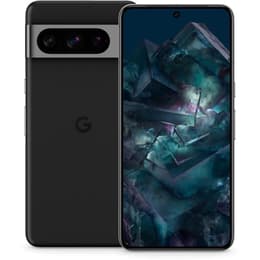
Google Pixel 8 Pro
Google Pixel 8 Pro
Starting at

Refurbished price:£253.00

Versus £960.91 new

See options
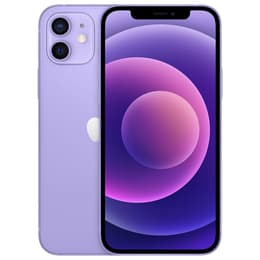
iPhone 12
iPhone 12
Starting at

Refurbished price:£141.00

Versus £649.00 new

See options

Ratings

The Google Pixel 8 Pro (2023) and the iPhone 12 (2020) represent different eras of smartphone technology, catering to distinct user preferences within the Android and iOS ecosystems. While the Pixel 8 Pro is a more recent flagship focusing on advanced photography and long-term software support, the iPhone 12 remains a functional choice for those who prefer a more compact design and the Apple software environment. This comparison explores how these two devices differ in practical daily use, helping you decide which aligns better with your specific needs.

Scores

Durability

The age gap between these two devices significantly impacts their expected lifespan and software support timelines.

  • Software Longevity: The Pixel 8 Pro was launched with a commitment to seven years of operating system and security updates, meaning it is expected to remain current until 2030. In contrast, the iPhone 12, released three years earlier, is approaching the later stages of its official update cycle, though it still receives critical security patches.
  • Repairability and Build: Both phones feature glass and metal constructions with high water and dust resistance ratings. The Pixel 8 Pro benefits from more modern glass technology on the front and back, while the iPhone 12 introduced a flat-edge design that many users find sturdy and easy to grip.
  • Practical Lifespan: Users looking for a device to last several more years will find the Pixel 8 Pro better positioned due to its newer hardware and extended software roadmap.

Year of Release

2023

2020

Compatible with latest Update

Yes

Yes

Foldable

No

No

Performance

Performance differences are most noticeable when handling demanding tasks or multitasking between several resource-heavy applications.

  • System Responsiveness: The Pixel 8 Pro handles modern applications and complex multitasking with ease, offering a fluid experience even when editing high-resolution video or playing intensive games. The iPhone 12 remains responsive for everyday tasks like browsing and social media, though it may show signs of slowing down when running the latest, most demanding software versions.
  • Memory and Multitasking: With a significantly higher amount of internal memory, the Pixel 8 Pro can keep more apps open in the background without needing to reload them. The iPhone 12 manages its resources efficiently but may close background apps more frequently during heavy use.
  • Battery Endurance: The Pixel 8 Pro generally offers longer runtimes for heavy users, whereas the iPhone 12 may require a mid-day charge for those who use their phone extensively for navigation or media streaming.

Memory (GB)

12 GB

4 GB

Screen quality

The viewing experience differs greatly between these two models in terms of size, smoothness, and outdoor visibility.

  • Display Technology and Smoothness: The Pixel 8 Pro features a large display with a variable refresh rate that adjusts up to 120Hz, resulting in very smooth scrolling and animations. The iPhone 12 uses a standard 60Hz refresh rate, which is functional but lacks the fluid motion found on more modern screens.
  • Brightness and Clarity: For outdoor use, the Pixel 8 Pro reaches much higher brightness levels, making the screen easier to read under direct sunlight. Both devices use OLED technology, providing deep blacks and high contrast, but the Pixel offers a sharper resolution for fine details.
  • Screen Size: The 6.7-inch screen on the Pixel 8 Pro is better suited for watching videos and productivity, while the 6.1-inch iPhone 12 is more manageable for one-handed use.

Resolution

1344 x 2992

1170 x 2532

Screen type

LTPO OLED

Super Retina XDR OLED

Audiovisual

Photography and video capabilities highlight the generational leap between these two smartphones, particularly in zoom and low-light scenarios.

  • Camera Versatility: The Pixel 8 Pro includes a dedicated telephoto lens for high-quality zoomed-in photos, alongside its main and ultra-wide sensors. The iPhone 12 features a dual-camera system that lacks a dedicated zoom lens, relying instead on digital cropping for distant subjects.
  • Image Processing: In low-light environments, the Pixel 8 Pro produces clearer images with more detail and less noise thanks to advanced software processing. The iPhone 12 still takes reliable photos in good lighting but struggles more as the light fades.
  • Video and Audio: Both devices record high-quality video with effective stabilization. The iPhone 12 is often praised for its natural color reproduction in video, while the Pixel 8 Pro offers advanced tools for removing unwanted background noise from recordings.

Main camera

50 megapixels

12 megapixels

Front camera

10.5 megapixels

12 megapixels

Miscellaneous

Practical features like connectivity and physical dimensions play a significant role in how these devices feel in daily operation.

  • Connectivity and Ports: The Pixel 8 Pro uses a USB-C port for charging and data transfer, which is the current standard for most modern electronics. The iPhone 12 uses a Lightning port, requiring specific cables that are different from most other non-Apple devices. Both support 5G for fast mobile data.
  • Biometrics and Security: The Pixel 8 Pro utilizes an under-display fingerprint sensor and face recognition for unlocking. The iPhone 12 relies solely on Face ID, which is highly secure and works well in various lighting conditions.
  • Size and Weight: The iPhone 12 is notably lighter and thinner, making it a comfortable choice for users with smaller hands. The Pixel 8 Pro is a larger, heavier device that requires more space in a pocket or bag but offers a more immersive experience.

Weight

213 g

164 g

Screen size (in)

6.7

6.1

Mobile network

5G

5G

SIM card

Physical SIM + eSIM

Physical SIM + eSIM

Carrier compatibility

Unlocked

Unlocked

Choosing between the Google Pixel 8 Pro and the iPhone 12 involves weighing the benefits of a modern, feature-rich Android flagship against a reliable, compact iOS device. User feedback on forums often highlights the Pixel 8 Pro's exceptional camera system and the longevity provided by its long-term software updates. Conversely, iPhone 12 users frequently praise the device's durable design and the seamless integration within the Apple ecosystem, though some note that the battery life and screen technology feel dated compared to newer models.

Users who prioritize photography, a large and smooth display, and the latest software features will likely find the Pixel 8 Pro more aligned with their needs. Those who prefer a smaller, lighter phone and are already comfortable with the iOS interface may lean toward the iPhone 12. For those looking for a sustainable choice, a quality-assured refurbished option for either device can provide a reliable experience while reducing environmental impact. Ultimately, the Pixel 8 Pro offers a more future-proof experience, while the iPhone 12 serves as a practical entry point for those who value simplicity and portability. Choosing an eco-friendly alternative like a refurbished model ensures these capable devices continue to serve users effectively.

See all articles

Our recent comparisons