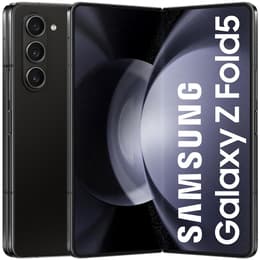
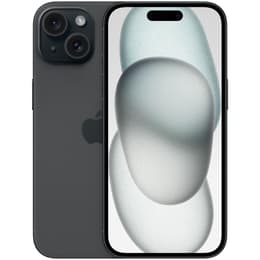

Galaxy Z Fold5 Vs iPhone 15

Galaxy Z Fold5
Galaxy Z Fold5
Starting at

Refurbished price:£413.00

Versus £1,770.61 new

See options
iPhone 15
iPhone 15
Starting at

Refurbished price:£325.00

Versus £699.00 new

See options

Ratings

The Samsung Galaxy Z Fold5 and the Apple iPhone 15, both released in 2023, represent two distinct approaches to the modern smartphone experience. While the Galaxy Z Fold5 is a specialised foldable device designed to bridge the gap between a phone and a tablet, the iPhone 15 remains a refined example of the classic smartphone form factor. These devices operate on different ecosystems, with Samsung utilising Android with a focus on customisation and multitasking, while Apple employs iOS, known for its streamlined interface and consistent performance across its hardware range.

The primary differentiator between these two models is their physical design and intended use case. The Galaxy Z Fold5 features a unique folding mechanism that reveals a large internal display, whereas the iPhone 15 prioritises a compact, lightweight build that fits easily in one hand. This comparison explores how these design choices impact daily use, from screen quality and camera performance to long-term durability and system responsiveness.

Scores

Durability

When evaluating how long these devices will remain functional and relevant, both manufacturers offer robust support, though their physical designs present different considerations for longevity.

  • Software Support and Updates: The iPhone 15 is expected to receive operating system updates for approximately six to seven years, following Apple's historical patterns. The Galaxy Z Fold5 is supported by a commitment to four years of major system updates and five years of security patches. This means the iPhone 15 may remain compatible with the latest applications for a slightly longer period.
  • Physical Build and Repairability: The iPhone 15 features a traditional solid frame with a glass back and a Ceramic Shield front, offering high resistance to dust and water. The Galaxy Z Fold5 introduces a complex hinge mechanism and a flexible internal screen; while it is water-resistant, it is more susceptible to dust ingress. Choosing a quality-assured refurbished option can provide a reliable way to access these technologies while ensuring the device has been thoroughly tested for structural integrity.
  • Practical Lifespan: Users can expect both devices to perform well for several years, but the moving parts of the foldable design require more careful handling over time compared to the static build of the iPhone 15.

Year of Release

2023

2023

Compatible with latest Update

Yes

Yes

OS

Android

iOS

Foldable

Yes

No

Performance

Performance on these devices is tailored to their specific form factors, with one focusing on heavy multitasking and the other on consistent, smooth efficiency.

  • Multitasking and System Memory: The Galaxy Z Fold5 is equipped with a high amount of system memory (RAM), allowing it to run three applications simultaneously on its large screen without slowing down. This makes it suitable for users who frequently switch between work documents, messaging, and web browsing. The iPhone 15 uses its memory more conservatively but maintains a very high level of responsiveness due to how its software is optimised for its hardware.
  • Everyday Responsiveness: Both devices handle demanding tasks like high-definition video editing or complex mobile games with ease. The iPhone 15 is noted for its fluid animations and quick app launching, while the Galaxy Z Fold5 provides a desktop-like experience with a dedicated taskbar for navigating between open windows.
  • Battery Behaviour: The Galaxy Z Fold5 houses a larger battery to power its two displays, typically lasting a full day of moderate use. The iPhone 15, despite having a physically smaller battery, benefits from an efficient processor that manages power consumption effectively, often resulting in similar real-world battery life for standard tasks.

Memory (GB)

12 GB

6 GB

Screen quality

The display technology is where these two devices diverge most significantly, offering very different visual experiences for media and productivity.

  • Display Technology and Smoothness: The Galaxy Z Fold5 features two screens, both using advanced AMOLED technology with a high refresh rate. This results in very smooth scrolling and fluid motion across the interface. The iPhone 15 uses a high-quality OLED display that provides excellent contrast and deep blacks, though it operates at a standard refresh rate, which may feel less fluid to users accustomed to faster screens.
  • Size and Viewing Experience: The internal 7.6-inch screen of the Galaxy Z Fold5 offers a tablet-like canvas, ideal for watching videos or reading long documents. In contrast, the iPhone 15 features a 6.1-inch display with the Dynamic Island, a functional area at the top that integrates notifications and background activities into the screen layout.
  • Outdoor Visibility: Both devices are designed to be used in bright environments. The iPhone 15 can reach very high peak brightness levels, making it easy to read under direct sunlight, while the Galaxy Z Fold5 also offers a bright, clear experience on both its cover and main displays.

Resolution

1812 x 2176

1179 x 2556

Screen type

Foldable Dynamic AMOLED 2X

Super Retina XDR OLED

Audiovisual

While both smartphones capture high-quality images and video, their camera systems are designed for different types of photography.

  • Lens Versatility: The Galaxy Z Fold5 includes a triple-lens system featuring a dedicated telephoto lens for optical zoom, allowing users to capture clear photos from a distance. The iPhone 15 uses a dual-lens system but introduces a high-resolution main sensor that can crop into images to provide a similar effect to a 2x zoom without losing significant detail.
  • Video and Audio Recording: The iPhone 15 is frequently praised for its video stability and natural colour reproduction, making it a popular choice for social media and casual filming. The Galaxy Z Fold5 offers versatile video features, including the ability to use the cover screen as a viewfinder for the main cameras, and its microphones are well-suited for capturing clear audio during calls or recordings.
  • Low-Light Performance: Both devices use advanced software processing to improve photos taken in dark environments. The Galaxy Z Fold5 tends to brighten shadows more aggressively, while the iPhone 15 focuses on maintaining a realistic balance of light and shadow.

Main camera

50 megapixels

48 megapixels

Front camera

4 megapixels

12 megapixels

Miscellaneous

Practical features such as connectivity and physical handling play a large role in the daily user experience of these two models.

  • Biometrics and Security: The iPhone 15 utilises facial recognition technology for secure unlocking and payments, which is integrated into the screen's Dynamic Island. The Galaxy Z Fold5 uses a fingerprint sensor built into the power button on the side, which many users find convenient for unlocking the device whether it is folded or open.
  • Weight and Portability: There is a significant difference in weight; the Galaxy Z Fold5 is heavier and thicker due to its folding design and dual screens. The iPhone 15 is much lighter and thinner, making it more comfortable for one-handed use and carrying in smaller pockets.
  • Connectivity and Ports: Both devices have transitioned to USB-C ports, allowing for more universal charging and data transfer options. They both support 5G connectivity for fast mobile data and the latest Wi-Fi standards for stable home internet connections.

Weight

150 g

171 g

Screen size (in)

7.6

6.1

Mobile network

4G

5G

SIM card

Dual Physical SIM + eSIM

Physical SIM + eSIM

Carrier compatibility

Unlocked

Unlocked

Connector

USB-C

USB-C (USB 2)

Choosing between the Galaxy Z Fold5 and the iPhone 15 depends largely on how a user intends to interact with their device. Based on common user feedback from online forums, the Galaxy Z Fold5 is highly praised for its ability to replace a tablet, with users appreciating the large screen for productivity and media. However, some users express concerns regarding the visible crease in the middle of the folding screen and the device's overall bulk. The iPhone 15 is frequently commended for its reliable performance, lightweight design, and the simplicity of its camera system, though some tech-focused users note the lack of a high refresh rate screen as a drawback compared to other modern devices.

Users who prioritise multitasking, large-scale media consumption, or who need a portable workspace will likely find the Galaxy Z Fold5 better suited to their needs. Conversely, those who prefer a dependable, easy-to-use smartphone with a compact form factor and long-term software support may lean toward the iPhone 15. Opting for an eco-friendly alternative through refurbishment allows users to access these advanced technologies while supporting a circular economy. Ultimately, both devices offer a high-quality experience, whether you value the innovative versatility of a foldable or the refined consistency of a traditional smartphone.

See all articles

Our recent comparisons