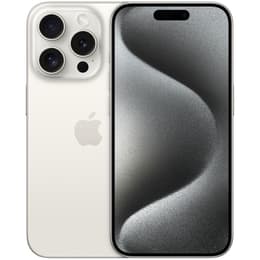

Galaxy S22 5G Vs iPhone 15 Pro

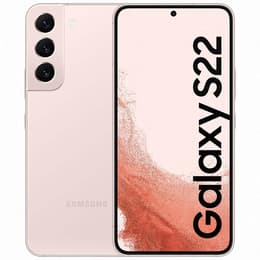
Galaxy S22 5G
Galaxy S22 5G
Starting at

Refurbished price:£139.00

Versus £859.00 new

See options
iPhone 15 Pro
iPhone 15 Pro
Starting at

Refurbished price:£399.00

Versus £999.00 new

See options

Ratings

The Samsung Galaxy S22 5G, released in early 2022, and the Apple iPhone 15 Pro, launched in late 2023, represent two distinct generations of flagship smartphone technology. While both devices offer a compact 6.1-inch form factor, they operate on different ecosystems—Android and iOS respectively. The Galaxy S22 focuses on a refined, traditional flagship experience, whereas the iPhone 15 Pro introduces newer materials like titanium and the transition to universal charging ports. Choosing between them often comes down to a preference for software flexibility versus the latest hardware integration.

Scores

Durability

These devices differ significantly in their release dates, which directly impacts their long-term software support and physical resilience.

  • Software Longevity: The iPhone 15 Pro, being a newer release from 2023, is expected to receive iOS updates for several years longer than the Galaxy S22, which arrived in 2022. Apple typically provides six to seven years of support, while Samsung committed to four years of major OS updates for the S22 series, meaning the iPhone will likely stay current for longer.
  • Build Materials: The iPhone 15 Pro features a titanium frame and a ceramic shield front, designed for high durability and weight reduction. The Galaxy S22 uses a reinforced aluminium frame and toughened glass, which remains sturdy but lacks the specific weight-to-strength ratio found in the newer titanium construction.
  • Repairability: Both manufacturers have made strides in repairability, offering official parts and guides for common fixes. However, the Galaxy S22's internal layout is often cited by technicians as being slightly more accessible for common component replacements compared to the densely packed interior of the iPhone.

Year of Release

2022

2023

Compatible with latest Update

Yes

Yes

OS

Android

iOS

Foldable

No

No

Performance

While both smartphones handle daily tasks with ease, the gap in their release years results in noticeable differences during intensive activities and multitasking.

  • System Responsiveness: The iPhone 15 Pro delivers a highly fluid experience when editing high-resolution video or playing demanding mobile games, benefiting from its more recent internal architecture. The Galaxy S22 remains responsive for standard multitasking and social media, though users may notice more heat generation during prolonged heavy use.
  • Multitasking and Memory: The Galaxy S22 manages background apps efficiently, allowing for quick switching between tools. The iPhone 15 Pro uses its integrated hardware and software to ensure that even with multiple heavy applications open, the interface remains stutter-free and consistent across various storage options.
  • Battery Management: In real-world usage, the iPhone 15 Pro tends to offer more consistent battery life throughout a full workday due to its power-efficient internals. The Galaxy S22 has a smaller battery capacity that may require a top-up in the early evening for those who use their device heavily.

Memory (GB)

8 GB

8 GB

Screen quality

Both devices feature 6.1-inch displays that offer smooth scrolling and vibrant colours, yet they use different technologies to achieve these visual results.

  • Display Fluidity: Both screens support a high refresh rate of up to 120Hz, which makes scrolling through lists and animations appear very smooth. The iPhone 15 Pro uses advanced technology that can drop the refresh rate very low to save power when the screen is static.
  • Outdoor Visibility: The iPhone 15 Pro reaches higher peak brightness levels, making it easier to read text or view photos under direct sunlight. The Galaxy S22 is also quite capable outdoors, though it may struggle slightly more in the harshest glare compared to the newer display technology in the iPhone.
  • Resolution and Clarity: The iPhone 15 Pro features a high-resolution display that ensures text and images appear sharp and clear for typical viewing. The Galaxy S22 also provides excellent clarity and vibrant colour reproduction, making it well-suited for reading and media consumption.

Resolution

1080 x 2340

1179 x 2556

Screen type

Dynamic AMOLED 2X

LTPO Super Retina XDR OLED

Audiovisual

Photography and video are central to both devices, with the iPhone 15 Pro offering more advanced professional-grade features due to its more recent launch.

  • Image Detail: The Galaxy S22 features a versatile triple-lens system that captures sharp images with excellent zoom capabilities for its size. The iPhone 15 Pro utilises a high-resolution main sensor that provides more detail in varied lighting conditions, allowing for better clarity when zooming in on a captured photo.
  • Video Capabilities: For users who record a lot of video, the iPhone 15 Pro offers industry-standard recording formats and stabilisation that produce very smooth, professional-looking footage. The Galaxy S22 provides reliable video quality with good colour balance, suitable for social sharing and capturing daily memories.
  • Audio Experience: Both phones lack a headphone jack, relying on wireless connections. The iPhone 15 Pro features speakers with a wider soundstage and deeper bass, while the Galaxy S22 provides clear, balanced audio and reliable microphone performance for calls and recording.

Main camera

50 megapixels

48 megapixels

Front camera

10 megapixels

12 megapixels

Miscellaneous

Small design choices and connectivity standards play a large role in how these devices feel and function during daily interactions.

  • Connectivity and Ports: The iPhone 15 Pro marked a significant shift by adopting the universal USB-C port, matching the Galaxy S22. This allows users to use the same cables for laptops and other accessories. Both devices support 5G for fast mobile data speeds and reliable connectivity.
  • Biometric Security: The Galaxy S22 uses an ultrasonic fingerprint sensor hidden under the display, which works even if fingers are slightly damp. The iPhone 15 Pro relies on facial recognition technology, which is highly secure and works well in low light but requires the user to look directly at the device.
  • Weight and Handling: Thanks to its titanium frame, the iPhone 15 Pro is surprisingly light for its feature set, making it comfortable for one-handed use. The Galaxy S22 is also very compact and light, fitting easily into smaller pockets or bags, which appeals to users who prefer smaller handsets.

Weight

168 g

187 g

Screen size (in)

6.1

6.1

Mobile network

5G

5G

SIM card

Physical SIM + eSIM

Physical SIM + eSIM

Carrier compatibility

Unlocked

Unlocked

User feedback on forums like Reddit highlights a clear divide based on ecosystem loyalty and specific needs. Galaxy S22 users often praise the device's ergonomic design and the flexibility of the Android operating system, though some express concerns about battery longevity over time. Conversely, iPhone 15 Pro owners frequently highlight the smooth performance and the convenience of the new USB-C port, while some note that the physical design hasn't changed drastically from previous years.

Users who prioritise long-term software support and the latest video recording features will likely find the iPhone 15 Pro more aligned with their requirements. Those who prefer a highly customisable interface and a reliable fingerprint sensor may lean toward the Galaxy S22. For those looking to make a sustainable choice, opting for a quality-assured refurbished option is an excellent way to access these high-end features while reducing environmental impact. Ultimately, both smartphones remain powerful tools; the Galaxy S22 serves as a practical, compact flagship, while the iPhone 15 Pro offers a more future-proof experience with its updated hardware. Choosing a sustainable choice like a refurbished model from a trusted source ensures you get a device that has been thoroughly tested for performance and reliability.

See all articles

Our recent comparisons