
Google Pixel 8 Pro Vs iPhone 14

Google Pixel 8 Pro
Google Pixel 8 Pro
Starting at

Refurbished price:£253.00

Versus £960.91 new

See options
iPhone 14
iPhone 14
Starting at

Refurbished price:£229.00

Versus £599.00 new

See options

Ratings

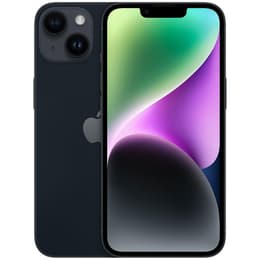
The Google Pixel 8 Pro, released in late 2023, and the iPhone 14, launched in 2022, represent two distinct approaches to the modern smartphone experience. While the Pixel 8 Pro serves as a large-format flagship with a focus on integrated artificial intelligence and advanced photography, the iPhone 14 offers a more compact, streamlined experience within the iOS ecosystem. These devices differ significantly in their physical dimensions, display technology, and camera configurations, catering to different user priorities regarding software flexibility and hardware longevity.

Operating on Android and iOS respectively, these smartphones provide access to vast app ecosystems, though they differ in how they handle customisation and cross-device integration. The Pixel 8 Pro is designed for those who want the latest software features directly from Google, while the iPhone 14 is built for users who value the consistency and security of the Apple environment.

Scores

Durability

The Google Pixel 8 Pro and iPhone 14 offer different long-term support cycles that impact their overall lifespan and practical utility over several years.

  • Software Longevity: The Pixel 8 Pro is notable for its commitment to seven years of operating system and security updates, potentially keeping the device current until 2030. In contrast, the iPhone 14 typically receives around six years of support from its release date, meaning its software lifecycle may conclude slightly sooner than its competitor.
  • Physical Resilience: Both smartphones feature high-grade glass and metal constructions with IP68 ratings for dust and water resistance. Choosing a quality-assured refurbished option for either model ensures that these structural standards are maintained while supporting a more sustainable electronics cycle.
  • Repair Accessibility: Google has established partnerships to provide genuine replacement parts to consumers, while Apple offers a similar programme for independent repair, though the ease of modular component replacement can vary between the two designs.

Year of Release

2023

2022

Compatible with latest Update

Yes

Yes

Foldable

No

No

Performance

Daily tasks and multitasking are handled with high efficiency on both devices, though they prioritise different aspects of the user experience through their internal hardware.

  • System Responsiveness: The Pixel 8 Pro utilises hardware designed to accelerate machine learning tasks, resulting in smooth voice-to-text and real-time translation. The iPhone 14 provides a very fluid interface for standard applications and social media, maintaining consistent speed even as the device ages through multiple software versions.
  • Battery and Charging: With a larger physical footprint, the Pixel 8 Pro houses a high-capacity battery that comfortably lasts through a full day of heavy use, including navigation and media streaming. The iPhone 14, while having a smaller battery capacity, benefits from efficient power management that supports a full day of moderate activity for most users.
  • Multitasking Capabilities: The Pixel 8 Pro includes a higher amount of temporary memory, which allows it to keep more applications open in the background without reloading. The iPhone 14 manages its memory efficiently, though users who frequently switch between many demanding apps may notice more frequent refreshes compared to the Google device.

Memory (GB)

12 GB

6 GB

Screen quality

The viewing experience marks one of the most significant differences between these two smartphones in terms of size, technology, and visual smoothness.

  • Display Fluidity: The Pixel 8 Pro features a high refresh rate that adjusts up to 120Hz, making scrolling through lists and system animations appear exceptionally smooth. The iPhone 14 uses a standard 60Hz refresh rate, which is reliable for daily tasks but lacks the heightened fluid motion found on the Google device.
  • Brightness and Clarity: For outdoor use, the Pixel 8 Pro offers a very high peak brightness, ensuring the screen remains legible even in direct sunlight. The iPhone 14 provides a clear and sharp OLED display with accurate colours, though it does not reach the same maximum brightness levels as its competitor for HDR content.
  • Screen Dimensions: Users who prefer an expansive canvas for watching videos or editing documents will appreciate the 6.7-inch display of the Pixel 8 Pro. The iPhone 14 is better suited for one-handed use with its 6.1-inch screen, offering a more pocket-friendly form factor for those with smaller hands.

Resolution

1344 x 2992

1170 x 2532

Screen type

LTPO OLED

Super Retina XDR OLED

Audiovisual

Photography and media consumption are central to both devices, with the Pixel 8 Pro offering more hardware versatility for different shooting scenarios.

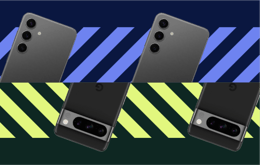
  • Camera Versatility: The Pixel 8 Pro includes a triple-lens system with a dedicated telephoto lens for high-quality zoomed images and a wide-angle lens with autofocus for macro photography. The iPhone 14 relies on a dual-camera system that excels at capturing natural skin tones and consistent exposure but lacks a dedicated optical zoom lens.
  • Video and Audio: The iPhone 14 is frequently praised for its stable video recording and high-quality internal microphones, making it a reliable tool for video calls and social media. The Pixel 8 Pro counters with advanced software processing that can reduce background noise in recorded videos and enhance low-light footage through computational photography.
  • Speaker Performance: Both devices feature stereo speakers that provide clear audio for media. The Pixel 8 Pro's larger body allows for a slightly deeper sound profile, while the iPhone 14 maintains excellent clarity and balance at higher volumes, which is useful for speakerphone conversations.

Main camera

50 megapixels

12 megapixels

Front camera

10.5 megapixels

12 megapixels

Miscellaneous

Practical features like connectivity standards and physical ports define the daily interaction and convenience of using these smartphones.

  • Connectivity Standards: The Pixel 8 Pro supports the latest Wi-Fi 7 standards and 5G, providing future-ready networking capabilities for high-speed environments. The iPhone 14 supports Wi-Fi 6 and 5G, which remain more than sufficient for current high-speed internet requirements and streaming services.
  • Physical Ports and Biometrics: The Pixel 8 Pro uses a universal USB-C port for charging and data transfer, alongside both face and fingerprint recognition for flexible security. The iPhone 14 utilises the Lightning port and relies exclusively on FaceID for secure unlocking, which users find highly reliable in various lighting conditions.
  • Weight and Handling: Due to its larger screen and battery, the Pixel 8 Pro is significantly heavier and wider, which may require two-handed use for some tasks. The iPhone 14 is lighter and narrower, making it easier to handle during long phone calls or while on the move.

Weight

213 g

172 g

Screen size (in)

6.7

6.1

Mobile network

5G

5G

SIM card

Physical SIM + eSIM

Physical SIM + eSIM

Carrier compatibility

Unlocked

Unlocked

User consensus on community forums highlights that the choice between the Google Pixel 8 Pro and the iPhone 14 often comes down to a preference for screen size and software ecosystem. The Pixel 8 Pro is frequently lauded for its expansive, smooth display and its versatile camera system, particularly its ability to capture detailed shots at a distance. However, some users note that its larger size can be cumbersome for those who prefer a more compact device. The iPhone 14 receives praise for its reliable performance, compact design, and the seamless way it integrates with other services, though some enthusiasts point out the lack of a high refresh rate screen as a drawback in a modern smartphone.

Users who prioritise a large-screen experience for media consumption and want the most advanced photographic tools for zooming and macro shots will likely find the Pixel 8 Pro aligns with their needs. Conversely, those who prefer a more manageable device that fits easily in a pocket and offers a straightforward, consistent user interface may lean toward the iPhone 14. Both devices are available as eco-friendly alternatives through the sustainable choice of refurbishment, providing a way to access high-quality technology while reducing electronic waste. Ultimately, the decision rests on whether one values the cutting-edge display and zoom capabilities of the Pixel or the compact reliability and ecosystem of the iPhone.

See all articles

Our recent comparisons