Compare models

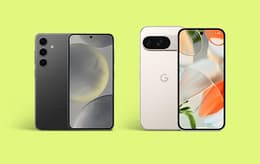
Google Pixel 8a Vs iPhone Air

  • 1-year minimum warranty
  • Free delivery on all items
  • Free 30-day returns
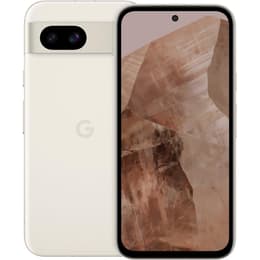
Google Pixel 8a
Starting at

Refurbished price:£190.00

Versus £419.00 new

See options
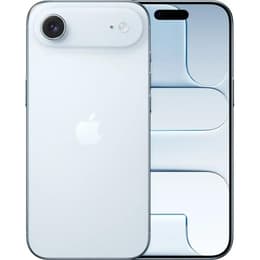
iPhone Air
Starting at

Refurbished price:£610.00

Versus £1,099.00 new

See options

Differences at a glance

The Google Pixel 8a (2024) and the iPhone Air (2025) represent two very different approaches to modern smartphone design, targeting users with distinct preferences for form factor and operating system. While the Pixel 8a focuses on a compact, everyday utility running on Android, the iPhone Air introduces a breakthrough ultra-slim profile powered by iOS. These core differences in physical build and software ecosystem define how each device fits into daily life.

Available Models

Colour

Storage

Scores

Durability

When evaluating longevity and durability, both devices offer robust software support lifelines and resilient build qualities, though they approach support timelines from different launch years.

  • Software longevity: The Pixel 8a benefits from an extended software support commitment spanning seven years from its release, while the iPhone Air starts its journey with Apple's long-standing multi-year OS update framework.
  • Build resilience: The Pixel 8a features a matte composite back paired with an aluminum frame and dust and water resistance, whereas the iPhone Air employs a titanium frame reinforced with durable glass protection.
  • Repairability: Both manufacturers provide structured repair pathways, ensuring that expected practical lifespans remain high for users keeping their devices for multiple years.

Year of Release

2024

2025

Compatible with latest Update

Yes

Yes

OS

Android

iOS

Foldable

No

No

Performance

Daily operation and hardware capability differ significantly, reflecting the distinct hardware generations and internal architectures of both models.

  • System responsiveness: Both devices handle everyday multitasking, web browsing, and demanding applications smoothly, ensuring fluid navigation across user interfaces.
  • Battery behavior: The Pixel 8a includes a generous battery capacity designed to comfortably clear a full day of mixed use, while the iPhone Air balances its ultra-thin chassis with optimized energy efficiency for daily tasks.
  • Multitasking capacity: Ample memory provisioning on both models allows users to switch between resource-intensive apps without noticeable slowdowns or stuttering.

Screen quality

Visual immersion and panel characteristics vary notably in physical dimensions and peak luminance output between the two devices.

  • Display technology: Both smartphones utilize vibrant OLED display panels that deliver deep blacks, high contrast ratios, and vivid color reproduction for media consumption.
  • Refresh rate smoothness: High refresh rate support ensures fluid scrolling, responsive touch tracking, and smooth animations during daily navigation.
  • Outdoor visibility: High peak brightness capabilities allow both screens to remain legible under direct sunlight, though maximum luminance levels differ between the respective display panels.

Resolution

1080 x 2400

2736x1260

Screen type

OLED

Super Retina XDR

Audiovisual

Multimedia capture and audio playback capabilities cater to varying content creation and consumption preferences.

  • Camera systems: The Pixel 8a relies on versatile dual rear sensors backed by advanced computational photography, whereas the iPhone Air streamlines capture through a high-resolution single lens setup supported by advanced image processing.
  • Video recording: Both models deliver stable, clear video footage across various lighting conditions, complete with reliable stabilization for handheld recording.
  • Media audio: Built-in speaker configurations provide clear dialogue for calls and balanced sound output for casual video viewing.

Main camera

64 megapixels

48 megapixels

Front camera

13 megapixels

18 megapixels

Miscellaneous

Physical handling and connectivity features highlight practical differences in day-to-day usability.

  • Design and handling: The Pixel 8a offers a compact, easily manageable footprint tailored for one-handed use, while the iPhone Air prioritizes an exceptionally thin and lightweight profile.
  • Connectivity standards: Modern 5G capabilities, fast Wi-Fi protocols, and secure biometric authentication methods come standard on both devices.
  • Connector types: Both models utilize universal USB-C ports for charging and data transfer routines.

Weight

188 g

165 g

Screen size (in)

6.1

6.5

Mobile network

5G

5G

SIM card

Physical SIM + eSIM

eSIM

Carrier compatibility

Unlocked

Unlocked

What the community thinks

User feedback from online communities highlights distinct preferences for each device. Pixel 8a users frequently praise its compact ergonomics, reliable everyday camera output, and extensive software update commitment. Conversely, iPhone Air owners often emphasize appreciation for the remarkably lightweight and slim chassis, smooth display performance, and seamless ecosystem integration. Common discussions occasionally note the Pixel's thicker bezels and the iPhone's minimalist single-camera approach as points for consideration.

Users prioritizing a compact form factor, Android customization, and extended software support will find the Google Pixel 8a well-suited to their needs. Meanwhile, users preferring iOS, a larger viewing canvas, and an ultra-light physical profile may lean toward the iPhone Air. Choosing a quality-assured refurbished option through Back Market offers a sustainable choice that aligns with eco-friendly purchasing habits without compromising on device reliability.