
Compare models
Galaxy A14 Vs Google Pixel 9 Pro Fold
- 1-year minimum warranty
- Free delivery on all items
- Free 30-day returns
Differences at a glance
The Samsung Galaxy A14, released in January 2023, and the Google Pixel 9 Pro Fold, launched in September 2024, represent distinct approaches to smartphone design and functionality. While the Galaxy A14 offers a traditional smartphone experience, the Pixel 9 Pro Fold introduces a foldable form factor, providing a larger display when unfolded. These devices operate on the Android platform, but their core capabilities and target user experiences differ significantly.
Available Models
Colour
Storage (GB)
Scores
Durability
The longevity of a smartphone is influenced by its physical durability and the duration of software support it receives.
- Software Updates: The Google Pixel 9 Pro Fold benefits from Google's commitment to providing seven years of OS and security updates, ensuring extended software relevance and security. In contrast, the Samsung Galaxy A14, released earlier, is slated to receive two major Android OS updates and four years of security updates, with support expected to continue until 2027.
- Physical Durability: The Pixel 9 Pro Fold features a complex foldable design with premium materials and IPX8 water resistance, indicating a robust build for a foldable device. The Galaxy A14 utilizes a plastic back and sides with a glass front, offering a more conventional, yet durable, construction.
- Expected Lifespan: Users prioritizing the longest possible software support and advanced build quality for a cutting-edge device will find the Pixel 9 Pro Fold designed for extended use. The Galaxy A14 provides a reliable lifespan for users seeking a dependable standard smartphone experience within its update cycle.
Year of Release
2023
2024
Compatible with latest Update
No
Yes
OS
Android
Android
Foldable
No
Yes
Performance
Performance varies significantly between these two devices, impacting how smoothly they handle daily tasks and demanding applications.
- Processing Power: The Google Pixel 9 Pro Fold is equipped with a current-generation Tensor G4 processor, designed to deliver robust performance for complex applications, advanced multitasking, and integrated artificial intelligence features. The Galaxy A14 features a MediaTek Dimensity 700 processor, which provides satisfactory performance for everyday tasks like browsing and social media, though some users have noted occasional lags and stutters with more demanding use.
- Multitasking and Storage: With 16GB of RAM and faster UFS 3.1 storage, the Pixel 9 Pro Fold is engineered for seamless multitasking and rapid app loading, making it suitable for power users. The Galaxy A14 offers configurations with 4GB, 6GB, or 8GB of RAM and UFS 2.2 storage (for the 5G model), which is adequate for typical smartphone usage but may show limitations when running multiple intensive applications simultaneously.
- Battery Behavior: Both devices feature large battery capacities, with the Galaxy A14 housing a 5000 mAh battery known for excellent multi-day endurance under normal usage. The Pixel 9 Pro Fold has a 4650 mAh battery, optimized for its foldable form factor, and is rated for up to 24 hours of use, with an extreme battery saver mode extending this significantly.
Screen quality
The display experience is a primary differentiator, with the Pixel 9 Pro Fold offering a versatile foldable screen compared to the Galaxy A14's traditional panel.
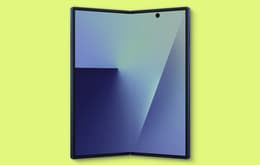
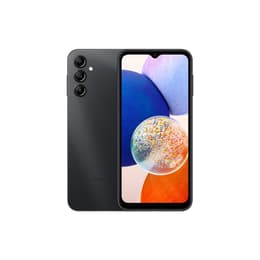
- Display Technology and Size: The Google Pixel 9 Pro Fold features dual OLED displays, including a 6.3-inch cover screen and an expansive 8.0-inch foldable inner display, providing deep blacks and vibrant colors. The Samsung Galaxy A14 comes with a 6.6-inch PLS LCD panel, which offers a clear viewing experience for a standard smartphone.
- Resolution and Brightness: Both displays on the Pixel 9 Pro Fold offer high resolutions and a 60-120Hz adaptive refresh rate for smooth visuals, with the cover screen reaching up to 2700 nits peak brightness for excellent outdoor visibility. The Galaxy A14 provides a 1080x2408 pixel FHD+ resolution and a 90Hz refresh rate, delivering clear images, though its LCD technology may not match the brightness or contrast of OLED in all conditions.
- Viewing Experience: The Pixel 9 Pro Fold's large, foldable inner screen is well-suited for immersive media consumption and productivity tasks, transforming from a compact phone to a tablet-like device. The Galaxy A14 offers a spacious and clear display for everyday smartphone interactions, web browsing, and video viewing in a conventional format.
Resolution
1080 x 2408
2076 x 2152
Screen type
PLS LCD
Foldable LTPO OLED
Audiovisual
Camera capabilities vary significantly, reflecting the different market segments and technological focuses of each device.
- Rear Camera System: The Google Pixel 9 Pro Fold features an advanced triple-camera system, including a 48MP wide lens, a 10.5MP ultrawide lens, and a 10.8MP 5x telephoto lens, complemented by Google's computational photography for detailed and versatile imaging. The Samsung Galaxy A14 is equipped with a 50MP main camera, a 2MP macro lens, and a 2MP depth sensor, providing competent photography in good lighting conditions.
- Photography Performance: The Pixel 9 Pro Fold excels in various lighting conditions, leveraging its advanced sensors and software for high-quality photos, including strong low-light performance and up to 20x Super Res Zoom. The Galaxy A14 performs well in bright daylight, capturing decent detail, but its performance in low-light environments is more limited, and it lacks an ultrawide camera.
- Video and Audio: The Pixel 9 Pro Fold offers high-quality video recording with advanced stabilization and features. The Galaxy A14 supports video recording up to 1080p at 30 frames per second from both its front and rear cameras. Both devices include standard speaker outputs for media consumption, though the Pixel 9 Pro Fold's premium build likely offers a more refined audio experience.
Main camera
50 megapixels
48 megapixels
Front camera
13 megapixels
10 megapixels
Miscellaneous
Beyond core specifications, several practical elements contribute to the overall user experience of these smartphones.
- Connectivity and Ports: The Google Pixel 9 Pro Fold supports the latest connectivity standards, including 5G, Wi-Fi 7, and Bluetooth 5.3, along with Ultra-Wideband (UWB) technology. The Samsung Galaxy A14 offers 5G connectivity, Wi-Fi 5 (802.11 a/b/g/n/ac), and Bluetooth 5.2, providing reliable wireless connections. The Galaxy A14 also retains a 3.5mm headphone jack, a feature not typically found on premium foldable devices like the Pixel 9 Pro Fold.
- Biometrics and Sensors: Both devices include fingerprint sensors for secure unlocking. The Pixel 9 Pro Fold integrates advanced sensors and features typical of a flagship device, enhancing user interaction and security. The Galaxy A14 also includes essential sensors like an accelerometer, proximity sensor, and compass.
- Design and Handling: The Pixel 9 Pro Fold's foldable design allows for a compact form factor when closed and an expansive screen when open, though its weight is notably higher than standard smartphones. The Galaxy A14 features a more traditional, non-foldable design with a plastic build, which contributes to its lighter feel and straightforward handling.
Weight
201 g
257 g
Screen size (in)
6.6
8.0
Mobile network
4G
5G
SIM card
Dual Physical SIM
Physical SIM + eSIM
Carrier compatibility
Unlocked
Unlocked
What the community thinks
The Samsung Galaxy A14 and Google Pixel 9 Pro Fold cater to distinct user needs and preferences. The Galaxy A14 is often praised for its excellent battery life and a capable main camera for its segment, making it a solid choice for users seeking a dependable and straightforward smartphone experience. Some users note its performance can be modest for intensive tasks and its low-light camera capabilities are limited.
Conversely, the Google Pixel 9 Pro Fold is lauded for its innovative foldable display, powerful performance driven by the Tensor G4 chip, and advanced camera system with strong computational photography. Its extended software support is also a significant advantage for long-term usability. Potential considerations for some users might include its larger form factor and weight compared to traditional smartphones.
Users prioritizing a cutting-edge device with a versatile, large screen for productivity and immersive media, coupled with top-tier camera performance and long-term software support, will find the Pixel 9 Pro Fold well-suited to their needs. Those who value a robust battery, a reliable standard smartphone experience, and a more conventional design for everyday communication and light usage may lean toward the Galaxy A14. Both devices are available as quality-assured refurbished options, providing an eco-friendly alternative for consumers.