
Google Pixel 8 Pro Vs iPhone 13 Pro

Google Pixel 8 Pro
Google Pixel 8 Pro
Starting at

Refurbished price:£253.00

Versus £960.91 new

See options
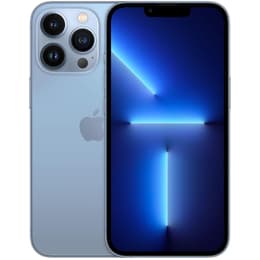
iPhone 13 Pro
iPhone 13 Pro
Starting at

Refurbished price:£232.00

Versus £949.00 new

See options

Ratings

The Google Pixel 8 Pro, released in late 2023, and the iPhone 13 Pro, launched in 2021, represent two distinct eras of flagship smartphone technology. While the Pixel 8 Pro showcases Google's latest advancements in integrated software and large-format design, the iPhone 13 Pro remains a popular choice for those who prefer a more compact form factor within the iOS ecosystem. These devices differ significantly in their release dates, screen dimensions, and the specific software experiences they offer to users.

Operating on Android and iOS respectively, these smartphones cater to different user preferences regarding customisation and ecosystem integration. The Pixel 8 Pro introduces a suite of automated tools and a larger footprint, whereas the iPhone 13 Pro focuses on a refined, consistent experience that has aged gracefully since its debut. Understanding the practical differences in their longevity, performance, and physical handling is essential for anyone evaluating these two models in the current market.

Scores

Durability

The Pixel 8 Pro and iPhone 13 Pro offer different long-term outlooks based on their release cycles and manufacturer support policies.

  • Software Longevity: The Pixel 8 Pro was launched with a commitment to seven years of operating system and security updates, potentially keeping it current until 2030. In contrast, the iPhone 13 Pro is expected to receive updates for several more years, though its total remaining support window is naturally shorter given its 2021 release date.
  • Repairability and Build: Both phones feature robust glass and metal constructions, but the Pixel 8 Pro benefits from a more modern internal layout that simplifies certain common repairs. Choosing a quality-assured refurbished option for either model can extend the device's functional life while supporting more sustainable consumption habits.
  • Physical Resilience: Both devices carry high water and dust resistance ratings, ensuring they can withstand accidental splashes or brief immersion during daily use without compromising internal components.

Year of Release

2023

2021

Compatible with latest Update

Yes

Yes

Foldable

No

No

Performance

While both smartphones handle demanding tasks with ease, they approach system responsiveness and battery management through different hardware philosophies.

  • Everyday Responsiveness: The Pixel 8 Pro excels at multitasking and features integrated tools that assist with daily tasks like live translation and call screening. The iPhone 13 Pro provides a consistently fluid experience, with apps launching quickly and maintaining high performance during intensive activities like mobile gaming or high-resolution video editing.
  • Battery Endurance: The Pixel 8 Pro houses a larger battery capacity designed to power its expansive screen through a full day of heavy use. The iPhone 13 Pro uses highly efficient internal components to achieve impressive longevity despite its smaller physical battery size, often lasting until the evening for moderate users.
  • Storage and Memory: Both models offer various storage capacities to suit different needs, from standard document storage to large libraries of high-resolution media. The Pixel 8 Pro includes more memory to support its background processing features, while the iPhone 13 Pro manages memory efficiently to keep multiple apps ready for instant use.

Memory (GB)

12 GB

6 GB

Screen quality

The viewing experience marks one of the most noticeable differences between these two devices, particularly regarding size and brightness levels.

  • Display Technology: The Pixel 8 Pro features a 6.7-inch display that offers high peak brightness, making it very easy to read even under direct sunlight. The iPhone 13 Pro uses a 6.1-inch display, which provides excellent colour accuracy and deep blacks for a cinematic viewing experience in a more pocketable size.
  • Motion Smoothness: Both smartphones utilise adaptive refresh rate technology, which allows the screen to move at up to 120Hz for smooth scrolling and then slow down to save power when viewing static content.
  • Clarity and Detail: The Pixel 8 Pro offers a higher pixel density, resulting in very sharp text and fine details for reading or viewing high-resolution photos. The iPhone 13 Pro maintains a high standard of clarity that ensures media looks crisp and natural during everyday use.

Resolution

1344 x 2992

1170 x 2532

Screen type

LTPO OLED

Super Retina XDR OLED

Audiovisual

Photography and media consumption are central to both devices, though they prioritise different aspects of the creative process.

  • Camera Versatility: The Pixel 8 Pro includes a powerful triple-lens system with a significant 5x optical zoom, allowing users to capture clear images from a distance. The iPhone 13 Pro also features a triple-lens array but focuses on a 3x optical zoom, which is often preferred for portrait photography and closer subjects.
  • Video and Audio: The iPhone 13 Pro is frequently noted for its stable video recording and natural colour reproduction, making it a reliable tool for content creators. The Pixel 8 Pro uses advanced software processing to enhance video in low-light conditions and includes microphones that can filter out distracting background noise.
  • Speaker Performance: Both devices provide stereo sound output that is clear and loud enough for watching videos or taking hands-free calls without distortion at higher volumes.

Main camera

50 megapixels

12 megapixels

Front camera

10.5 megapixels

12 megapixels

Miscellaneous

Practical considerations like connectivity and physical handling often determine which device feels right for a user's daily routine.

  • Physical Dimensions: The Pixel 8 Pro is a larger and heavier device, which may require two-handed use for some people but provides more space for typing and viewing. The iPhone 13 Pro is noticeably more compact and lighter, making it easier to operate with one hand and fit into smaller pockets.
  • Connectivity and Ports: The Pixel 8 Pro uses the universal USB-C standard for charging and data transfer, while the iPhone 13 Pro utilises the Lightning port. Both support 5G connectivity for fast mobile data and include modern Wi-Fi and Bluetooth standards for stable wireless connections.
  • Biometric Security: The iPhone 13 Pro relies on facial recognition for secure unlocking, which works quickly in most lighting conditions. The Pixel 8 Pro offers both facial recognition and an under-display fingerprint sensor, giving users more flexibility in how they access their device.

Weight

213 g

203 g

Screen size (in)

6.7

6.1

Mobile network

5G

5G

SIM card

Physical SIM + eSIM

Physical SIM + eSIM

Carrier compatibility

Unlocked

Unlocked

Based on consensus from actual users on community forums, the Google Pixel 8 Pro is frequently praised for its expansive, bright display and the impressive reach of its 5x optical zoom. However, some users have noted that the device can become warm during intensive tasks. The iPhone 13 Pro is often lauded for its exceptional build quality and the efficiency of its battery management, though some find the screen notch at the top of the display to be a dated design element compared to more modern alternatives.

Users who prioritise a large screen for media consumption and want the longest possible software support window may find the Pixel 8 Pro aligns best with their needs. Conversely, those who prefer a compact, one-handed device with a highly stable operating system and excellent video capabilities may lean toward the iPhone 13 Pro. Both devices remain highly capable in 2026, offering distinct trade-offs in size and software philosophy.

Ultimately, the decision depends on whether you value the latest automated software features and a larger viewing area or a tried-and-tested compact design within a mature ecosystem. Choosing a sustainable choice through a quality-assured refurbished model allows you to access these high-end features while supporting a more circular electronics economy. Both smartphones provide a premium experience that continues to serve the needs of professionals and casual users alike.


See all articles

Our recent comparisons