
iPhones
Compare models
Differences at a glance
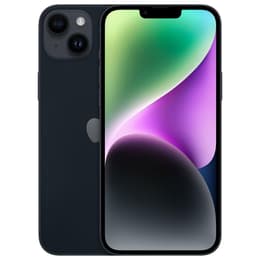
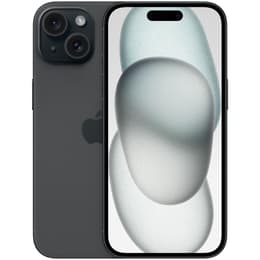
The iPhone 14 Plus (2022) and the iPhone 15 (2023) represent two distinct paths within the smartphone market. While the iPhone 14 Plus focuses on providing a larger display and extended battery life, the iPhone 15 introduces significant design updates and internal hardware improvements in a more compact form factor. Both devices operate on iOS, ensuring a consistent user experience with access to the same ecosystem of apps and services. The primary choice for users involves weighing the benefits of a larger screen against the newer features and connectivity standards found in the more recent model.
Colour
Storage
Choosing between these models often comes down to how long you plan to keep the device, as their release dates influence their long-term software support. The iPhone 15, being a year newer, is expected to receive software updates and security patches for an additional year compared to the iPhone 14 Plus.
Year of Release
Compatible with latest Update
OS
Foldable
While both phones handle daily tasks with ease, they offer different strengths regarding power management and processing efficiency for multitasking and gaming. Both devices are available in various storage capacities to suit different user needs for photos and applications.
The visual experience differs significantly due to the physical size of the panels and the way the front-facing sensors are integrated into the display. Both use high-quality OLED technology for deep blacks and vibrant colours.
Resolution
Screen type
Photography enthusiasts will notice a shift in detail and processing capabilities between these two generations, particularly in how they handle resolution and zoom. Both devices provide excellent video recording and clear audio for calls.
Main camera
Front camera
Practical daily use is influenced by the physical dimensions and the type of cables required for charging and data transfer. Both models support 5G connectivity and include advanced safety sensors.
Weight
Screen size (in)
Mobile network
SIM card
Carrier compatibility
Connector
User feedback from various community forums highlights a clear divide based on individual priorities. Many users praise the iPhone 14 Plus for its exceptional battery life, often noting it can easily last through a full day of heavy use without needing a midday charge. Conversely, the iPhone 15 receives high marks for its modernized design, specifically the Dynamic Island and the convenience of USB-C charging, which many find simplifies their daily tech setup. Some users have noted that while the iPhone 14 Plus feels like a larger version of a familiar design, the iPhone 15 feels like a more significant generational leap in terms of camera quality and display technology.
Choosing a quality-assured refurbished option for either model is a sustainable choice that reduces electronic waste while providing a device that functions like new. Users who prioritise a massive screen for gaming or movies and want the longest possible battery life will find the iPhone 14 Plus fits their needs perfectly. On the other hand, users who prefer a more pocketable device with the latest camera technology and universal charging will likely lean toward the iPhone 15. Both smartphones are excellent examples of modern engineering, and opting for an eco-friendly alternative through refurbishment ensures you get a high-performing device while supporting a circular economy. Ultimately, the decision rests on whether you value screen size and battery endurance over the latest design features and camera resolution.