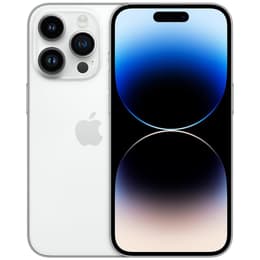

Google Pixel 8 Pro Vs iPhone 14 Pro

Google Pixel 8 Pro
Google Pixel 8 Pro
Starting at

Refurbished price:£253.00

Versus £960.91 new

See options
iPhone 14 Pro
iPhone 14 Pro
Starting at

Refurbished price:£304.00

Versus £1,099.00 new

See options

Ratings

The Google Pixel 8 Pro (2023) and the iPhone 14 Pro (2022) are high-end smartphones that cater to different user preferences regarding software and hardware design. While the Pixel 8 Pro emphasizes a large-format display and integrated artificial intelligence features, the iPhone 14 Pro offers a more compact form factor and a unique interface interaction through its Dynamic Island. Both devices run on distinct operating systems—Android and iOS respectively—providing different ecosystems for apps and services. This comparison explores how these two devices perform in real-world scenarios to help you decide which fits your lifestyle.

Scores

Durability

The Google Pixel 8 Pro and the iPhone 14 Pro are designed for long-term use, though they differ in their software support commitments and physical construction.

  • Software Longevity: The Pixel 8 Pro is notable for its commitment to seven years of operating system and security updates, potentially keeping the device current until 2030. In contrast, the iPhone 14 Pro typically receives around five to six years of support from its release date, which is a standard timeline for its manufacturer.
  • Repairability and Build: Both devices feature robust glass and metal constructions, but the Pixel 8 Pro has been designed with a focus on easier part replacement through official partnerships. The iPhone 14 Pro uses a stainless steel frame that provides significant structural rigidity, though internal repairs often require specialized tools and professional assistance.
  • Practical Lifespan: Given the extended update window for the Pixel, it may remain relevant for longer for users who keep their phones for many years. However, the iPhone 14 Pro benefits from a very large third-party repair network, making it easy to find replacement batteries or screens as the device ages.

Year of Release

2023

2022

Compatible with latest Update

Yes

Yes

Foldable

No

No

Performance

These smartphones handle demanding tasks with ease, though they prioritize different aspects of the user experience through their internal hardware.

  • System Responsiveness: The iPhone 14 Pro is recognized for its smooth multitasking and consistent performance when running high-end games or editing high-resolution video. The Pixel 8 Pro focuses on using its hardware to power smart features, such as real-time translation and advanced photo processing, ensuring a fluid experience during daily activities and heavy app usage.
  • Battery and Charging: With its larger physical size, the Pixel 8 Pro houses a high-capacity battery that supports a full day of heavy use for most users. The iPhone 14 Pro, while smaller, utilizes efficient hardware to manage power consumption effectively, though users who frequently use the screen at high brightness may find they need to charge more often than with the Pixel.
  • Storage and RAM: Both devices offer multiple storage tiers ranging from 128GB to 1TB, allowing users to choose based on their media needs. The Pixel 8 Pro includes a higher amount of memory to support its background AI tasks, while the iPhone 14 Pro manages memory efficiently to keep multiple apps open without slowing down.

Memory (GB)

12 GB

6 GB

Screen quality

The viewing experience on these devices is defined by high-resolution OLED technology, offering deep blacks and high contrast for media consumption.

  • Display Size and Brightness: The Pixel 8 Pro features a 6.7-inch screen that reaches very high peak brightness levels, making it easy to read even in direct sunlight. The iPhone 14 Pro offers a 6.1-inch display that is more manageable for one-handed use while still providing enough brightness for clear outdoor visibility in most conditions.
  • Motion and Clarity: Both screens support a variable refresh rate up to 120Hz, which ensures that scrolling through text and navigating the interface feels fluid and responsive. The Pixel 8 Pro provides a slightly higher pixel density, resulting in very sharp text, while the iPhone 14 Pro maintains excellent color accuracy for professional photo viewing and editing.
  • Visual Features: The iPhone 14 Pro includes the Dynamic Island, which transforms the top of the screen into an interactive area for notifications and background activities. The Pixel 8 Pro uses a more traditional hole-punch design, maximizing the available screen space for watching videos and playing games.

Resolution

1344 x 2992

1179 x 2556

Screen type

LTPO OLED

LTPO Super Retina XDR OLED

Audiovisual

Photography and video recording are central to both devices, with each offering a triple-lens system that covers various focal lengths for different shooting scenarios.

  • Camera Versatility: The Pixel 8 Pro excels in zooming capabilities, allowing users to capture clear images of distant subjects with its 5x optical lens. The iPhone 14 Pro provides a 3x optical zoom and is frequently praised for its natural color reproduction and consistent performance across all three lenses, from the ultra-wide to the telephoto.
  • Video and Audio: For video creators, the iPhone 14 Pro offers advanced recording formats and stable footage that is often used for high-quality social media content. The Pixel 8 Pro counters with smart audio recording features that can filter out background noise, making it a strong choice for capturing clear dialogue in busy or windy environments.
  • Low-Light Performance: Both smartphones use advanced processing to brighten dark scenes, but they take different approaches. The Pixel 8 Pro often produces brighter, more detailed night shots, while the iPhone 14 Pro focuses on maintaining a realistic atmosphere with balanced shadows and highlights.

Main camera

50 megapixels

48 megapixels

Front camera

10.5 megapixels

12 megapixels

Miscellaneous

Practical features like connectivity and physical ports play a significant role in how these devices fit into a user's existing setup and daily routine.

  • Connectivity and Ports: The Pixel 8 Pro uses a standard USB-C port, which is compatible with a wide range of modern accessories and charging cables. The iPhone 14 Pro utilizes a Lightning port, which may require specific adapters for users transitioning from other modern electronics. Both devices support 5G for fast mobile data and have current Wi-Fi standards for stable home internet.
  • Biometrics and Handling: The iPhone 14 Pro relies on facial recognition for secure unlocking, which works quickly in most lighting conditions. The Pixel 8 Pro offers both facial recognition and an under-display fingerprint sensor, giving users more flexibility in how they access their device.
  • Build Materials: Due to its stainless steel frame, the iPhone 14 Pro feels dense and substantial in the hand, whereas the Pixel 8 Pro uses a polished aluminum frame that is lighter relative to its larger size. Both devices have high water and dust resistance ratings, providing peace of mind during outdoor use.

Weight

213 g

206 g

Screen size (in)

6.7

6.1

Mobile network

5G

5G

SIM card

Physical SIM + eSIM

Physical SIM + eSIM

Carrier compatibility

Unlocked

Unlocked

User discussions on community forums highlight that the Google Pixel 8 Pro is often favored for its helpful software features and its expansive, bright display. Many users appreciate the helpfulness of the integrated AI tools for photo editing and call management. Some users have noted that its larger size can be a challenge for those with smaller hands or those who prefer pocket-friendly devices. On the other hand, the iPhone 14 Pro receives consistent praise for its reliable performance and the convenience of its compact size, though some users mention the transition to the Dynamic Island takes a short time to get used to.

Users who prioritize a large screen for watching videos and want the longest possible software support may find the Pixel 8 Pro aligns well with their needs. Those who prefer a device that is easier to use with one hand and fits into a specific ecosystem of apps and accessories might lean toward the iPhone 14 Pro. Choosing a quality-assured refurbished option for either model is a sustainable choice that helps reduce electronic waste while providing a high-performance smartphone experience. Both devices remain highly capable choices for professionals, students, and travelers alike in 2026, offering a premium experience through different technological approaches. Ultimately, the decision rests on whether you prefer the AI-driven flexibility of the Pixel or the refined, compact efficiency of the iPhone.
See all articles

Our recent comparisons