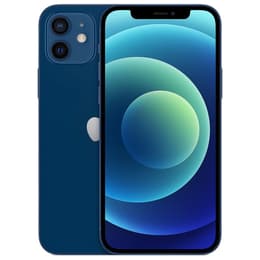

Google Pixel Fold Vs iPhone 12

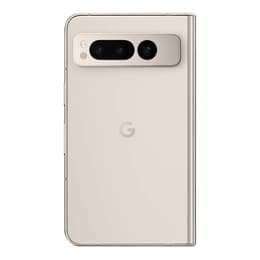
Google Pixel Fold
Google Pixel Fold
Starting at

Refurbished price:£371.00

Versus £1,499.00 new

See options
iPhone 12
iPhone 12
Starting at

Refurbished price:£139.00

Versus £649.00 new

See options

Ratings

The Google Pixel Fold (2023) and the iPhone 12 (2020) represent two very different approaches to smartphone design and functionality. While the Pixel Fold is a modern foldable device that transforms from a compact phone into a small tablet, the iPhone 12 is a classic, reliable slab-style smartphone that remains a popular choice for its simplicity and ecosystem integration. These devices cater to different user needs, with one focusing on expansive screen real estate and the other on a familiar, streamlined experience.

The Pixel Fold runs on the Android operating system, offering extensive customisation and multitasking features, whereas the iPhone 12 uses iOS, known for its intuitive interface and long-term software support. Choosing between them involves weighing the benefits of a versatile, multi-screen form factor against the proven durability and ease of use of a traditional smartphone design.

Scores

Durability

The age gap between these two devices significantly impacts their expected lifespan, software support cycles, and physical resilience over years of daily use.

  • Software Longevity: The iPhone 12, released in 2020, has already seen several years of updates but typically receives support for six to seven years, meaning it remains a viable option for several more seasons. The Pixel Fold, being a much newer release from 2023, is expected to receive security updates and operating system upgrades well into the late 2020s, offering a longer future-proof window for software features.
  • Physical Build and Repair: The iPhone 12 features a traditional glass and aluminium design that is well-understood by repair technicians, making common fixes like screen or battery replacements relatively straightforward. In contrast, the Pixel Fold uses a complex hinge mechanism and a flexible inner display, which requires more specialised care and can be more challenging to service over time compared to standard smartphones.
  • Sustainable Choice: Opting for a quality-assured refurbished option for either of these models is an eco-friendly alternative that extends the life of existing hardware and reduces electronic waste while ensuring the device meets high functional standards.

Year of Release

2023

2020

Compatible with latest Update

Yes

Yes

OS

Android

iOS

Foldable

Yes

No

Performance

Daily tasks and multitasking feel distinct on these devices due to their internal configurations and how they handle modern, demanding applications.

  • Multitasking Capabilities: The Pixel Fold is specifically designed for heavy multitasking, allowing users to run multiple apps side-by-side on its large internal screen without lag or slowdown. The iPhone 12 provides a very smooth experience for everyday browsing and social media, though it may not handle switching between many intensive professional applications as fluidly as the newer Pixel.
  • Battery and Power Management: The Pixel Fold houses a larger battery to power its dual screens, generally lasting through a full day of mixed use, though the large internal display consumes power more quickly when active. The iPhone 12 has a smaller battery capacity but benefits from efficient software that manages power consumption effectively during standby and light tasks.
  • System Responsiveness: Users will find higher memory capacity in the Pixel Fold, which helps keep background apps ready for instant use, while the iPhone 12 relies on tight software integration to maintain a responsive feel despite having less physical memory.

Memory (GB)

12 GB

4 GB

Screen quality

The most striking difference between these two smartphones lies in their display technology and the unique viewing experiences they offer to the user.

  • Display Versatility: The Pixel Fold features two screens: a standard outer display for quick interactions and a massive, vibrant internal OLED screen that provides a tablet-like experience for watching videos or reading. The iPhone 12 uses a single, high-quality OLED panel that offers excellent clarity and deep blacks but lacks the expansive canvas provided by a foldable design.
  • Smoothness and Brightness: The Pixel Fold offers a high refresh rate on both its screens, making scrolling through long documents and animations appear very fluid. The iPhone 12 has a standard refresh rate which is consistent and clear, though it may not feel as snappy during fast-paced movement compared to the newer foldable technology.
  • Outdoor Visibility: Both devices are designed to be legible in bright sunlight, though the Pixel Fold's outer screen is particularly bright, ensuring that users can easily read messages or navigate while outdoors without squinting or seeking shade.

Resolution

1840 x 2208

1170 x 2532

Screen type

Foldable OLED

Super Retina XDR OLED

Audiovisual

Photography and media consumption are handled with different priorities on these two handsets, reflecting their respective release years and hardware goals.

  • Camera Versatility: The Pixel Fold includes a triple-lens system with a dedicated zoom lens, allowing users to capture clear photos from a distance. The iPhone 12 features a dual-lens system that excels at natural-looking portraits and wide-angle landscapes but lacks the optical zoom capabilities found on the more modern Google device.
  • Video and Audio Quality: The iPhone 12 is widely recognised for its stable video recording and clear microphone pickup, making it a reliable tool for video calls and social media content. The Pixel Fold offers advanced software processing for photos, particularly in low-light settings, and provides a loud, immersive stereo speaker experience when the device is unfolded.
  • Selfie Flexibility: Because of its folding design, the Pixel Fold allows users to take high-quality selfies using the main rear cameras while using the outer screen as a viewfinder, a feature that is not possible on the traditional single-screen layout of the iPhone 12.

Main camera

48 megapixels

12 megapixels

Front camera

8 megapixels

12 megapixels

Miscellaneous

Practical considerations like connectivity, biometric security, and physical handling play a large role in how these devices fit into a user's daily routine.

  • Connectivity and Ports: Both smartphones support 5G networks for fast mobile data and include modern Bluetooth standards for wireless accessories. The iPhone 12 uses a proprietary port for charging and data transfer, while the Pixel Fold uses the more universal USB-C standard, which is common across most modern laptops and tablets.
  • Biometrics and Security: The iPhone 12 uses facial recognition technology for secure unlocking, which is fast and works well in most lighting conditions. The Pixel Fold utilises a fingerprint sensor built into the power button, providing a quick way to unlock the device even while wearing a mask or from various holding angles.
  • Portability and Weight: The iPhone 12 is significantly lighter and thinner, making it easy to use with one hand and comfortable in a pocket. The Pixel Fold is much heavier and bulkier due to its hinge and dual-screen design, which is a trade-off for users who value the extra screen real estate over pocketability.

Weight

283 g

164 g

Screen size (in)

7.6

6.1

Mobile network

5G

5G

SIM card

Physical SIM + eSIM

Physical SIM + eSIM

Carrier compatibility

Unlocked

Unlocked

Connector

USB-C

Lightning

The choice between the Google Pixel Fold and the iPhone 12 ultimately depends on whether a user prioritises cutting-edge hardware innovation or established reliability. User discussions on various forums often highlight the Pixel Fold's impressive utility as a productivity tool and its ability to replace a small tablet, though some users express caution regarding the long-term durability of the folding screen. Conversely, the iPhone 12 is frequently praised for its straightforward nature and the fact that it remains fast and capable even years after its launch, though some note that its battery life and camera features are starting to show their age compared to newer flagship models.

Users who prioritise a large screen for media, intensive multitasking, and the latest Android features will find the Pixel Fold to be a highly capable companion for their needs. Those who prefer a lightweight, durable, and simple smartphone experience within the Apple ecosystem will likely lean toward the iPhone 12. For those looking for a more sustainable choice, selecting a quality-assured refurbished version of either device allows for a high-end experience while supporting eco-friendly consumption. Both phones remain excellent choices for different user profiles, offering distinct paths for modern mobile connectivity without a single right answer for everyone.


See all articles

Our recent comparisons