
Compare models
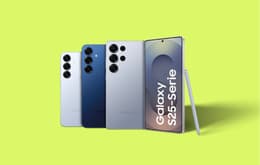
Galaxy S25 FE Vs Google Pixel 9
- 1-year minimum warranty
- Free delivery on all items
- Free 30-day returns
Differences at a glance
The Samsung Galaxy S25 FE (2025) and the Google Pixel 9 (2024) represent mainstream choices within the current smartphone landscape. While both devices target users seeking reliable everyday performance, modern photography capabilities, and long-term software support, they approach these goals through different design philosophies and ecosystem integrations. The Galaxy S25 FE runs on Android with Samsung's custom interface overlay, whereas the Google Pixel 9 utilizes a clean, stock version of Android. Understanding how their practical features, displays, and cameras compare will help determine which device aligns best with individual daily requirements.
Available Models
Colour
Storage (GB)
Scores
Durability
When evaluating the long-term viability of the Galaxy S25 FE and the Google Pixel 9, software support timelines and hardware repairability play crucial roles in determining their overall lifespan.
- Software Support: Both manufacturers provide extensive update commitments extending over several years, ensuring that both operating systems and security patches remain current for a prolonged duration.
- Hardware and Repairability: Both models incorporate modern construction standards with reinforced glass and sturdy framing, while professional repair networks for both brands offer reliable access to replacement parts for common components like screens and batteries.
- Expected Lifespan: Users can expect both devices to remain functionally capable and responsive for multiple years of daily service, making a quality-assured refurbished option from Back Market a sustainable choice for environmentally conscious consumers.
Year of Release
2025
2024
Compatible with latest Update
Yes
Yes
OS
Android
Android
Foldable
No
No
Performance
Performance capabilities dictate how smoothly each device handles multitasking, heavy application usage, and overall system navigation during daily routines.
- Multitasking and Responsiveness: Both smartphones handle demanding mobile applications, web browsing, and switching between multiple open programs smoothly without noticeable stuttering or lag.
- Storage Configurations: Both devices offer ample internal storage tiers to accommodate large media libraries, applications, and documents, though neither includes expandable storage via memory cards.
- Battery Behavior: Battery endurance varies based on usage patterns, with both devices comfortably lasting through standard daily use involving messaging, web browsing, and media streaming before requiring a recharge.
Screen quality
Display characteristics significantly impact everyday visual tasks, ranging from media consumption to reading text outdoors in bright sunlight.
- Display Technology: Both models utilize vibrant organic light-emitting diode panels that deliver deep contrast levels, rich colors, and wide viewing angles for an immersive media viewing experience.
- Outdoor Visibility: High peak brightness capabilities ensure that screens on both devices remain legible and clear even when used directly under bright outdoor sunlight.
- Refresh Rates: Both smartphones support high refresh rates, resulting in fluid scrolling through web pages, social media feeds, and responsive touch feedback during gaming sessions.
Audiovisual
Camera systems on modern smartphones cater to diverse photography needs, from casual snapshots to low-light environments and high-definition video recording.
- Camera Hardware: Both devices feature versatile multi-lens setups, combining primary sensors with ultra-wide options to capture detailed landscapes and close-up subjects effectively.
- Low-Light and Everyday Photography: Advanced image processing software on both models automatically optimizes clarity, color balance, and dynamic range across challenging lighting conditions.
- Video and Audio: Both smartphones support stable, high-resolution video recording paired with clear internal microphones suitable for video calls, voice notes, and casual content creation.
Miscellaneous
Practical daily usability is heavily influenced by physical dimensions, connectivity standards, and built-in hardware sensors.
- Physical Design: Both models feature balanced dimensions and ergonomic weight distribution, though subtle differences in corner curvature and edge finishing affect how each device rests in the hand.
- Connectivity Options: Both smartphones support modern fifth-generation cellular networks, rapid wireless standards, and Bluetooth protocols for reliable accessory pairing.
- Security Sensors: Secure authentication is handled via responsive biometric sensors integrated directly into the display or power button for quick unlocking.
Weight
190 g
198 g
Screen size (in)
6.7
6.3
Mobile network
5G
5G
SIM card
Physical SIM + eSIM
Physical SIM + eSIM
Carrier compatibility
Unlocked
Unlocked
Connector
USB-C
USB-C
What the community thinks
Choosing between the Samsung Galaxy S25 FE and the Google Pixel 9 ultimately depends on individual software preferences and daily use priorities. Users who appreciate a feature-rich interface with extensive customization options often lean toward the Galaxy S25 FE. Conversely, users who prefer a streamlined, minimalist software experience combined with automated photography processing frequently favor the Google Pixel 9.
Common praise for the Galaxy S25 FE centers around its vibrant display and robust everyday multitasking performance, though some users note its larger physical footprint. Meanwhile, the Google Pixel 9 receives positive feedback for its clean operating system and reliable camera output, though critics occasionally mention that its charging speeds trail behind industry leaders. For buyers seeking an eco-friendly alternative, exploring a quality-assured refurbished option provides a practical way to acquire either device while minimizing environmental impact.
Reviewing these distinctions allows users to align their choice with specific functional preferences, ensuring long-term satisfaction without unnecessary features.