
Google Pixel 9 Vs iPhone 14 Pro

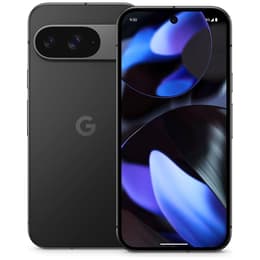
Google Pixel 9
Google Pixel 9
Starting at

Refurbished price:£327.25

Versus £890.22 new

See options
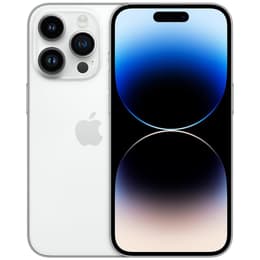
iPhone 14 Pro
iPhone 14 Pro
Starting at

Refurbished price:£304.00

Versus £1,099.00 new

See options

Ratings

The Google Pixel 9, released in 2024, and the iPhone 14 Pro, launched in 2022, represent two distinct approaches to the modern flagship smartphone. While the Pixel 9 showcases the latest advancements in software integration and hardware aesthetics within the Android ecosystem, the iPhone 14 Pro remains a powerful and relevant contender for iOS users, featuring the distinctive Dynamic Island interface. These devices cater to different user preferences, with the Pixel focusing on contemporary software intelligence and the iPhone offering a versatile hardware package that includes a dedicated telephoto lens for photography enthusiasts.

Scores

Durability

The Google Pixel 9 and iPhone 14 Pro offer different advantages regarding their long-term utility, software support timelines, and physical resilience.

  • Software Longevity: The Pixel 9 arrives with a commitment to seven years of operating system and security updates, potentially keeping the device current until 2031. In contrast, the iPhone 14 Pro, being two years older at launch, typically receives around six to seven years of support from its 2022 release date, meaning its software lifecycle may conclude several years sooner than the Pixel's.
  • Physical Build and Repair: Both phones utilise high-strength glass and metal frames, though the iPhone 14 Pro uses stainless steel which provides a heavier, rigid feel compared to the Pixel 9's aluminium. For those looking to maintain their device over many years, choosing a quality-assured refurbished option ensures that the hardware has been professionally inspected for longevity, while both manufacturers have improved access to replacement parts for common repairs like screen or battery swaps.

Year of Release

2024

2022

Compatible with latest Update

Yes

Yes

OS

Android

iOS

Foldable

No

No

Performance

While both devices handle demanding applications with ease, they manage system resources and power consumption through different architectural approaches to ensure a smooth user experience.

  • Daily Responsiveness: The Pixel 9 is equipped with a high amount of memory, which allows it to keep numerous applications open in the background without needing to reload them frequently. This makes it particularly effective for users who multitask between intensive apps. The iPhone 14 Pro, while having less physical memory, benefits from highly efficient software that ensures animations remain fluid and apps launch quickly even years after the device's initial release.
  • Battery and Charging: In real-world usage, the Pixel 9 features a larger battery capacity that comfortably supports a full day of heavy use, including navigation and media streaming. The iPhone 14 Pro relies on its power-efficient internal components to provide similar all-day endurance, though heavy users might find themselves reaching for a charger sooner during intensive tasks like high-resolution video recording or gaming.

Memory (GB)

12 GB

6 GB

Screen quality

The viewing experience on these devices is defined by high brightness levels and smooth motion, though they differ in size and how they integrate front-facing sensors.

  • Display Technology: The Pixel 9 features a 6.3-inch OLED display that is designed for high visibility in direct sunlight, making it easy to read messages or view maps outdoors. The iPhone 14 Pro uses a slightly smaller 6.1-inch screen but introduces the Dynamic Island, a functional area at the top of the display that changes shape to show notifications and background activity, providing a unique way to interact with the interface.
  • Visual Fluidity: Both smartphones utilise advanced refresh rate technology that adjusts up to 120Hz. This ensures that scrolling through social media feeds or playing games feels responsive and smooth. The iPhone 14 Pro also includes an always-on display feature, allowing users to check the time and notifications at a glance without fully waking the device, a feature the Pixel 9 also supports with its own customisable lock screen options.

Resolution

1080 x 2424

1179 x 2556

Screen type

OLED

LTPO Super Retina XDR OLED

Audiovisual

Photography and video capabilities are a primary focus for both models, with the iPhone offering more physical lenses and the Pixel relying on sophisticated image processing.

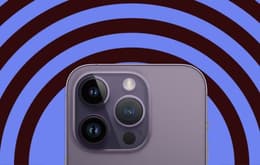
  • Camera Versatility: The iPhone 14 Pro includes a triple-camera array, featuring a dedicated telephoto lens that allows for 3x optical zoom without losing detail. This is a significant advantage for users who frequently take portraits or photos of distant subjects. The Pixel 9 uses a dual-camera system but compensates with advanced software that excels at capturing accurate skin tones and clear images in very low-light environments.
  • Video and Audio: For video creators, the iPhone 14 Pro provides highly stable footage and professional-grade recording formats that allow for extensive editing. The Pixel 9 focuses on clear audio recording, using multiple microphones to filter out background noise during calls or video captures, ensuring that the subject's voice remains the primary focus even in windy or crowded settings.

Main camera

50 megapixels

48 megapixels

Front camera

10.5 megapixels

12 megapixels

Miscellaneous

Practical considerations such as connectivity standards and physical handling play a significant role in the daily experience of using these smartphones.

  • Connectivity and Ports: The Pixel 9 utilises the widely standard USB-C port for charging and data transfer, which is compatible with most modern laptop and tablet cables. The iPhone 14 Pro uses the Lightning port, which may require specific cables if you are transitioning from other non-Apple devices. Both phones support 5G connectivity for fast mobile data and include modern Wi-Fi standards for stable home internet connections.
  • Biometrics and Handling: Security is handled differently on each; the Pixel 9 uses an ultrasonic fingerprint sensor located under the display for quick access, while the iPhone 14 Pro relies on facial recognition technology. In terms of handling, the iPhone's stainless steel frame makes it feel noticeably heavier despite its smaller dimensions, whereas the Pixel 9's slightly larger footprint is balanced by its lighter aluminium construction, affecting how each feels during prolonged one-handed use.

Weight

198 g

206 g

Screen size (in)

6.3

6.1

Mobile network

5G

5G

SIM card

Physical SIM + eSIM

Physical SIM + eSIM

Carrier compatibility

Unlocked

Unlocked

Connector

USB-C

Lightning

User feedback on the Google Pixel 9 often highlights the helpfulness of its integrated software features and the natural look of its photography. Users appreciate the long-term update commitment, which provides peace of mind regarding the device's future utility. However, some note that the lack of a dedicated zoom lens is a trade-off compared to other flagship models. On the other hand, the iPhone 14 Pro receives consistent praise for its reliable performance and the versatility of its three-camera system. Some users have mentioned that the device feels quite heavy for its size, and the transition to the Dynamic Island interface, while innovative, takes some adjustment for those used to older designs.

Users who prioritise having the longest possible software support and a larger, brighter screen for outdoor use may find the Google Pixel 9 aligns well with their needs. Conversely, those who require a dedicated telephoto lens for photography and prefer a more compact, albeit heavier, device with a mature app ecosystem might lean toward the iPhone 14 Pro. For those seeking a sustainable choice, a quality-assured refurbished model offers a way to access these high-end features while reducing environmental impact. Ultimately, the choice depends on whether one values the modern software-first approach of the Pixel or the proven hardware versatility of the iPhone.

See all articles

Our recent comparisons