
Compare models
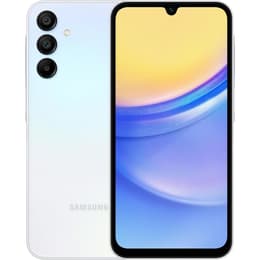
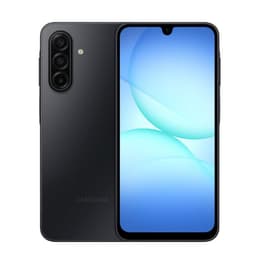
Galaxy A15 Vs Galaxy A17
- 1-year minimum warranty
- Free delivery on all items
- Free 30-day returns
Differences at a glance
The Samsung Galaxy A15 (2023) and Samsung Galaxy A17 (2025) represent successive generations of Samsung's accessible smartphone lineup, designed to deliver essential mobile capabilities for everyday users. While they share a familiar overall design philosophy, the Galaxy A17 introduces a slightly larger screen footprint, updated internal components, and an extended software support window compared to its predecessor. Both models operate on Google's Android platform paired with Samsung's user interface, providing a consistent software layout across both devices.
Available Models
Colour
Storage (GB)
Scores
Durability
Evaluating the lifespan and support lifecycle of these two devices highlights how manufacturing timelines influence long-term usability and hardware longevity.
- Software Support: The Galaxy A15 receives multiple years of operating system updates from its launch release, whereas the Galaxy A17 benefits from an extended support window reaching up to six years of major system updates, ensuring prolonged security readiness.
- Hardware Lifespan: Both models are built around durable plastic frames, but the Galaxy A17 incorporates tougher screen protection glass that helps withstand daily wear and tear more effectively over time.
- Practical Longevity: Users seeking an extended software lifecycle will find that the newer release timeline of the Galaxy A17 keeps it updated further into the future.
Year of Release
2023
2025
OS
Android
Android
Foldable
No
No
Performance
Daily responsiveness and multitasking capabilities vary across these devices based on their underlying processors and memory configurations.
- App Multitasking: Configurations range up to 8GB of RAM on both models, allowing everyday apps like messaging, web browsing, and social media to run concurrently without excessive reloading.
- System Responsiveness: The Galaxy A17 handles demanding apps and general interface navigation with slightly improved processing efficiency, reducing stutter during heavier multitasking sessions.
- Battery Behavior: Both devices pack a 5000mAh battery capacity that easily lasts through a full day of mixed usage, supporting standard daily routines without requiring a midday recharge.
Screen quality
Display characteristics shape the visual experience for media consumption, reading, and outdoor visibility.
- Panel Technology: Both models utilize vibrant Super AMOLED displays that deliver deep black levels and high contrast for photos and videos.
- Size and Refresh Rate: The Galaxy A15 features a 6.5-inch panel, while the Galaxy A17 expands slightly to a 6.7-inch display, and both support a 90Hz refresh rate for smooth scrolling through web pages and menus.
- Outdoor Legibility: Peak brightness levels around 800 nits allow both screens to remain legible under direct sunlight during outdoor use.
Resolution
1080 x 2340
1080x2340
Screen type
Super AMOLED
Super AMOLED
Audiovisual
Photography and media recording options cover everyday documentation needs through multi-lens rear camera arrays.
- Camera Systems: Both devices feature a 50-megapixel primary rear sensor alongside supporting ultra-wide and macro lenses for capturing diverse scene types.
- Video and Audio: Main video recording runs smoothly at standard high-definition resolutions with basic electronic stabilization, while internal microphones handle routine voice calls and casual audio memos clearly.
- Media Consumption: Built-in single speakers provide adequate sound output for casual video viewing, though headphones or external speakers are recommended for immersive listening.
Main camera
50 megapixels
50 megapixels
Miscellaneous
Physical dimensions and connectivity standards determine how each device integrates into everyday travel and handling routines.
- Handling and Build: The Galaxy A15 measures 8.4 mm in thickness and weighs 200 grams, whereas the slimmer Galaxy A17 measures 7.5 mm and weighs approximately 192 grams for slightly lighter pocketability.
- Connectivity: Both models offer 5G network compatibility, modern Wi-Fi standards, Bluetooth pairing, and side-mounted fingerprint sensors for secure biometric authentication.
- Physical Ports: Each device includes a reliable USB Type-C port for charging and data transfers, maintaining standard industry connectivity.
Weight
200 g
192 g
Screen size (in)
6.5
6.7
Mobile network
4G
5G
SIM card
Dual Physical SIM
Physical SIM
Carrier compatibility
Unlocked
Unlocked
Connector
USB-C
USB-C
What the community thinks
Community discussions and user feedback indicate that both smartphones satisfy buyers looking for dependable communication tools without complex extras. Users frequently praise both models for their long-lasting battery capacity and clear display panels. Common criticisms point out that low-light photography can struggle with fine detail and that neither device includes high-end gaming hardware. Choosing between them depends largely on individual feature priorities.
Users prioritizing an extended software update timeline and a slightly larger viewing area may prefer the Galaxy A17, while those content with a more compact screen footprint will find the Galaxy A15 meets daily communication needs effectively. For shoppers looking for an eco-friendly alternative, a quality-assured refurbished option from Back Market provides a sustainable path to acquiring these devices while reducing electronic waste. Ultimately, both smartphones offer practical solutions tailored to budget-conscious students, travelers, and everyday users.