
Samsung
Compare models
Differences at a glance
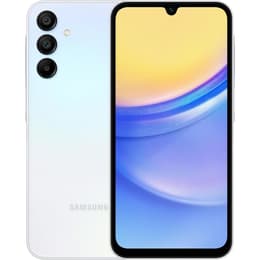
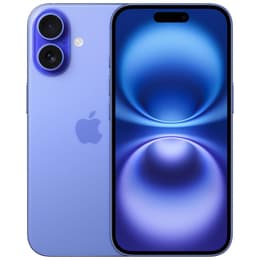
The Samsung Galaxy A15, released in late 2023, and the iPhone 16, launched in late 2024, represent distinct approaches to smartphone design and functionality. While the Galaxy A15 operates on the Android platform, offering extensive customization, the iPhone 16 runs on Apple's iOS, known for its integrated ecosystem. Key differences lie in their display technologies, camera capabilities, and overall performance, catering to varied user preferences.
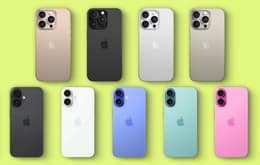
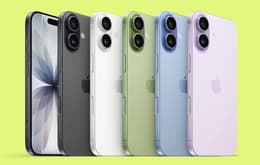
Colour
Storage
When considering the long-term usability of these devices, their release timelines and software support policies are important factors.
Year of Release
Compatible with latest Update
Foldable
The performance of a smartphone significantly impacts daily usage, from app responsiveness to multitasking efficiency.
The display is a primary interface for users, and its quality impacts the visual experience.
Resolution
Screen type
Camera systems are a significant consideration for many users, influencing how they capture and share moments.
Main camera
Front camera
Beyond core features, several practical elements contribute to the overall user experience.
Weight
Screen size (in)
Mobile network
SIM card
Carrier compatibility
Connector
The Samsung Galaxy A15 and iPhone 16 cater to different user priorities, reflecting their distinct operating systems and design philosophies. Users often praise the Galaxy A15 for its long-lasting battery and vibrant Super AMOLED display with a smoother 90Hz refresh rate, making it suitable for extended media consumption and everyday tasks. Some users appreciate its expandable storage and the inclusion of a traditional headphone jack. Criticisms sometimes point to its processing power, which, while competent, may not offer the same level of fluidity for demanding applications as higher-end devices.
The iPhone 16 receives positive feedback for its powerful processing capabilities, advanced camera system with features like the Camera Control button, and the integrated iOS ecosystem. Its robust build quality and extended software support are also frequently highlighted. A common point of discussion among users is the 60Hz refresh rate of its display, which some find less fluid compared to devices with higher refresh rates.
Users prioritizing a highly responsive system, advanced photography and videography features, and a compact, durable design with long-term software support may find the iPhone 16 well-suited to their needs. Conversely, individuals who value a larger, smoother display for general use, exceptional battery life, expandable storage, and the flexibility of the Android ecosystem might lean towards the Galaxy A15. Both devices offer reliable performance for their intended audiences. For those considering a more sustainable choice, exploring quality-assured refurbished options for either model can provide an eco-friendly alternative.