
Compare models
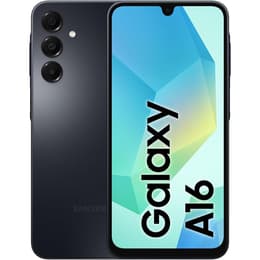
Galaxy A16 Vs Galaxy A17
- 1-year minimum warranty
- Free delivery on all items
- Free 30-day returns
Differences at a glance
The Samsung Galaxy A16 (2024) and Samsung Galaxy A17 (2025) represent consecutive iterations of Samsung's widely accessible smartphone lineup. While both devices share a similar overall design philosophy and core screen estate, the newer model introduces minor refinements in physical profile and updated baseline software. Both run the Android operating system paired with Samsung's custom interface, making them familiar options for everyday communication and media consumption.
Available Models
Colour
Storage
Scores
Durability
When examining longevity and hardware endurance, both devices offer robust software commitments for their device category, though their release schedules place them at slightly different stages of their life cycles.
- Release timeline and support: The Galaxy A16 arrived in late 2024, while the Galaxy A17 followed in mid-2025, with both models benefiting from an extended multi-year software update schedule that keeps security patches current for years.
- Expected lifespan: Both units feature identical battery capacities and comparable structural builds, ensuring that hardware durability remains steady across daily use cycles for users seeking long-term reliability.
Year of Release
2024
2025
OS
Android
Android
Foldable
No
No
Performance
Performance capabilities across both generations handle standard daily functions smoothly, including web browsing, messaging, social media navigation, and casual multitasking.
- System responsiveness: Both smartphones load everyday mobile applications quickly and transition between open programs without noticeable stutter, supported by versatile RAM configurations.
- Storage and multitasking: Users can select from multiple internal storage tiers and expand capacity via microSD cards, allowing for seamless handling of media files and background processes.
Screen quality
Visual output and display immersion are virtually identical on paper, providing sharp clarity and comfortable viewing angles for media viewing and reading.
- Display technology: Both devices utilize large Super AMOLED screens spanning 6.7 inches with high definition resolutions, producing deep contrast levels and vivid color reproduction.
- Refresh rate and brightness: A smooth 90Hz refresh rate ensures fluid scrolling through menus and web pages, while high peak brightness levels maintain outdoor legibility under direct sunlight.
Resolution
1080x2340
1080x2340
Screen type
Super AMOLED
Super AMOLED
Audiovisual
Multimedia capture and audio playback hardware cater reliably to casual photography and daily communication needs across both models.
- Camera systems: Both smartphones are equipped with a triple rear camera arrangement featuring a primary high-resolution sensor, an ultra-wide lens for landscapes, and a macro lens for close-up shots alongside a standard front-facing selfie camera.
- Media and audio output: Video recording runs smoothly in high definition, while the built-in speaker systems and microphone arrays provide clear voice calls and adequate sound output for streaming casual videos.
Miscellaneous
Practical daily usability features, physical dimensions, and connectivity standards reflect minor generational design adjustments between the two models.
- Physical profile: The Galaxy A17 features a slightly slimmer body and a lighter overall weight compared to the Galaxy A16, contributing to marginally easier pocketability and one-handed handling.
- Connectivity and build: Both variants include 5G cellular connectivity, modern Bluetooth standards, USB-C ports, and secure side-mounted fingerprint sensors integrated directly into the power button.
Weight
200 g
192 g
Screen size (in)
6.7
6.7
Mobile network
4G
5G
SIM card
Physical SIM
Physical SIM
Carrier compatibility
Unlocked
Unlocked
Connector
USB-C
USB-C
What the community thinks
Deciding between these two devices depends largely on availability and generational preference rather than dramatic capability gaps. Users who prefer a slightly lighter physical frame may lean toward the Galaxy A17, while those evaluating the Galaxy A16 will find a very similar day-to-day experience. Common user feedback highlights the bright displays and long software support as major advantages for both options. When considering a quality-assured refurbished option as an eco-friendly alternative, buyers can make a sustainable choice without compromising on core smartphone functionality. Ultimately, both devices serve standard mobile needs reliably, and the right choice comes down to personal preference for physical handling and device age.