
Galaxy A16 Vs Galaxy A26

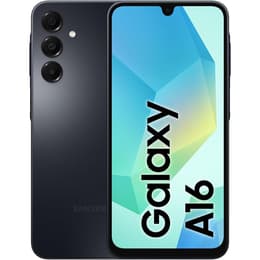
Galaxy A16
Galaxy A16
Starting at

Refurbished price:£100.62

Versus £206.96 new

See options
Galaxy A26
Galaxy A26
Starting at

Refurbished price:£152.00

Versus £419.55 new

See options

Ratings

The Samsung Galaxy A16 and Galaxy A26 are mid-range smartphones from Samsung's popular A-series, released in late 2024 and early 2025, respectively. While both devices aim to provide a balanced smartphone experience, the Galaxy A26 introduces several enhancements, particularly in display technology, processing power, and camera capabilities, building upon the foundation set by the Galaxy A16.

Scores

Durability

When considering the long-term usability of these devices, both the Galaxy A16 and Galaxy A26 offer substantial software support, a key factor in their practical lifespan.

  • Release Timeline: The Galaxy A16 was announced in October 2024 and released shortly after, with its 5G variant becoming available in the US in January 2025. The Galaxy A26 followed, announced in March 2025 and released later that month. This means the A26 benefits from a slightly newer hardware generation and a later starting point for its software support cycle.
  • Software Longevity: Both models are notable for Samsung's commitment to extended software support, promising six years of Android OS updates and security patches. This commitment ensures that both devices will remain functional and secure for an extended period, well into the future.
  • Physical Durability: The Galaxy A16 features an IP54 rating for dust and splash resistance, offering a degree of protection against everyday elements. The Galaxy A26 elevates this with an IP67 rating, providing more robust dust and water resistance, allowing it to withstand immersion in shallow water for a limited time.

Year of Release

2024

2024

Compatible with latest Update

Yes

Yes

OS

Android

Android

Foldable

No

No

Performance

The performance of a smartphone significantly impacts daily usage, from app responsiveness to multitasking efficiency. Both the Galaxy A16 and A26 are equipped to handle common tasks, but the A26 offers a more capable experience.

  • Processing Power: The Galaxy A16 is powered by a processor that capably handles everyday applications and general navigation. The 5G variant of the A16 features an Exynos 1330 or MediaTek Dimensity 6300 chipset, while the 4G variant uses a MediaTek Helio G99. The Galaxy A26, on the other hand, incorporates a more advanced Exynos 1380 processor, which provides a noticeable boost in overall speed and efficiency, particularly for more demanding applications and smoother transitions between tasks.
  • Multitasking and Storage: Both devices offer various RAM configurations, with the A16 available in 4GB, 6GB, and 8GB options, and the A26 typically starting at 6GB or 8GB. This allows for competent multitasking on both, though the A26's more powerful processor and higher base RAM options contribute to a more fluid experience when running multiple applications simultaneously. Both phones come with 128GB or 256GB of internal storage, expandable via microSD card, providing ample space for apps and media.
  • Battery Behavior: Both the Galaxy A16 and A26 are equipped with a 5000mAh battery, supporting 25W fast charging. This capacity generally provides a full day of use for most users, with the 25W charging allowing for relatively quick top-ups.

Memory (GB)

4 GB

8 GB

Screen quality

The display is a primary interface for smartphone interaction, and both the Galaxy A16 and A26 offer vibrant viewing experiences, with the A26 providing a smoother visual flow.

  • Display Technology and Size: Both smartphones feature a 6.7-inch Super AMOLED display, known for its deep blacks and vibrant color reproduction. This technology enhances the viewing experience for media consumption and general browsing.
  • Resolution and Clarity: Both devices offer Full HD+ resolution (1080x2340 pixels for A16, 2400x1080px for A26), ensuring sharp and clear visuals for text, images, and videos.
  • Refresh Rate and Smoothness: A key difference lies in the refresh rate. The Galaxy A16 features a 90Hz refresh rate, providing a smoother scrolling experience than standard 60Hz displays. The Galaxy A26 steps up to a 120Hz refresh rate, resulting in even more fluid animations and a more responsive feel during navigation and gaming.

Resolution

1080 x 2340

1080 x 2340

Audiovisual

For many users, camera capabilities are a significant consideration. Both the Galaxy A16 and A26 are equipped with versatile camera systems, but the A26 offers notable improvements for photography and videography.

  • Rear Camera System: Both phones feature a triple-camera setup on the rear, including a 50-megapixel main sensor, a 5-megapixel (A16) or 8-megapixel (A26) ultrawide lens, and a 2-megapixel macro lens. The Galaxy A26's main camera further benefits from Optical Image Stabilization (OIS), which helps reduce blur in photos and provides smoother video recording, especially in challenging lighting conditions. The A26's 8MP ultrawide camera also captures more detail than the A16's 5MP ultrawide.
  • Low-Light and Everyday Photography: While both can capture good images in well-lit environments, the A26's OIS and potentially improved image processing contribute to better performance in low-light scenarios, producing clearer and more stable shots.
  • Video Recording and Front Camera: Both devices are capable of recording video, with the A26 potentially offering enhanced stabilization due to OIS. For selfies and video calls, both phones are equipped with a 13-megapixel front-facing camera.

Front camera

13 megapixels

13 megapixels

Miscellaneous

Beyond core specifications, several practical elements contribute to the overall user experience and daily convenience of a smartphone.

  • Connectivity and Ports: Both the Galaxy A16 and A26 support 5G connectivity (for their respective 5G variants), Wi-Fi 5, and Bluetooth 5.3, ensuring reliable wireless connections. They both feature a USB Type-C port for charging and data transfer. The Galaxy A16 includes a 3.5mm headphone jack, while the Galaxy A26 does not, requiring USB-C or wireless headphones.
  • Security and Sensors: Both models incorporate a side-mounted fingerprint sensor for secure and convenient unlocking. They also include essential sensors like an accelerometer, compass, and ambient light sensor.
  • Design and Handling: The Galaxy A16 measures 164.4 x 77.9 x 7.9mm and weighs 200g. The Galaxy A26 has similar dimensions, roughly 164 x 77.5 x 7.7mm, and maintains a lightweight build, often featuring a plastic frame and back panel. Both designs prioritize comfortable handling for their screen size.

Weight

200 g

197 g

Screen size (in)

6.7

6.5

Mobile network

4G

5G

SIM card

Dual Physical SIM

Dual Physical SIM

Carrier compatibility

Unlocked

Unlocked

Connector

USB-C

USB-C

The Samsung Galaxy A16 and Galaxy A26 both present compelling options within the mid-range smartphone market, each catering to slightly different user priorities. The Galaxy A16, released in late 2024, is often praised for its large Super AMOLED display and Samsung's commitment to six years of software updates, making it a solid choice for users seeking long-term support without needing the absolute latest in performance. Users appreciate its reliable battery life and capable camera for everyday use. Some common feedback for the A16 might point to its 90Hz refresh rate being good but not as fluid as higher refresh rate displays, and its processor, while competent, not being designed for intensive gaming or heavy multitasking.

The Galaxy A26, arriving in early 2025, builds upon its predecessor with a more powerful processor, a smoother 120Hz display, and the significant addition of Optical Image Stabilization (OIS) to its main camera, alongside enhanced IP67 water and dust resistance. Users often highlight the A26's improved camera performance, especially in varied lighting, and the noticeably smoother visual experience provided by the higher refresh rate. Criticisms, if any, might focus on its design retaining a waterdrop notch, which some users might find less modern compared to punch-hole cutouts, and the absence of a headphone jack.

Users prioritizing a highly fluid display, improved photography capabilities, and enhanced durability will find the Galaxy A26 well-suited to their needs. Its more capable processor also makes it a better fit for those who engage in more demanding applications or extensive multitasking. Conversely, users who value a slightly more accessible entry point, still benefit from a large, vibrant display, excellent software longevity, and the convenience of a headphone jack, may lean towards the Galaxy A16. Both devices represent a sustainable choice when considering quality-assured refurbished options, offering an eco-friendly alternative to purchasing new.


See all articles

Our recent comparisons