
Compare models
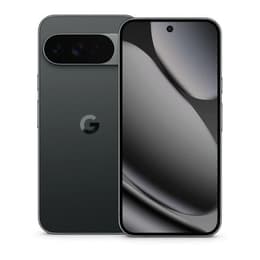
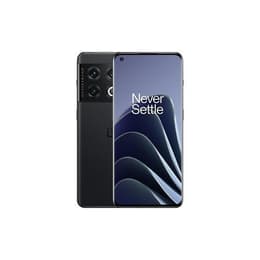
Google Pixel 10 Pro XL Vs OnePlus 10 Pro
- 1-year minimum warranty
- Free delivery on all items
- Free 30-day returns
Differences at a glance
The Google Pixel 10 Pro XL (2025) and the OnePlus 10 Pro (2022) are advanced Android-powered smartphones belonging to their respective flagship lineups. While separated by several years of hardware evolution, both devices cater to users seeking large screens and versatile software features. The primary differentiators lie in their generation timeline, processing architecture, and long-term software support frameworks.
Available Models
Colour
Storage
Scores
Durability
Comparing the launch timelines reveals a significant age gap that directly impacts software support longevity and expected operational lifespans for each device.
- Release timeline and age: The OnePlus 10 Pro debuted in early 2022, whereas the Google Pixel 10 Pro XL launched in late 2025, putting them years apart in component generation.
- Software support duration: Google provides multi-year operating system upgrades extending deep into the decade, whereas the OnePlus model operates on a more traditional update schedule closer to its initial release era.
- Expected practical lifespan: Users looking into a quality-assured refurbished option will find that the newer Google hardware offers extended longevity for future software requirements.
Year of Release
2025
2022
Compatible with latest Update
Yes
Yes
OS
Android
Android
Foldable
No
No
Performance
Both models handle daily operations and complex routines effectively, though they rely on distinct hardware generations and memory configurations to achieve system fluidity.
- Storage and memory: The Google Pixel 10 Pro XL is equipped with generous memory baselines to facilitate heavy background processes, while the OnePlus 10 Pro offers balanced storage options starting from standard capacities.
- Everyday system responsiveness: Both devices open applications swiftly, switch between tasks seamlessly, and maintain steady frame rates during standard navigation and media streaming.
- Multitasking and demanding apps: The modern processing setup on the Google device handles intense workloads and advanced graphics with thermal efficiency, matching the capable multi-core handling of the OnePlus alternative.
Screen quality
Visual output on both handsets utilizes advanced panel technology designed to provide sharp text, deep contrast ratios, and comfortable viewing angles.
- Display technology: Each device features an adaptive refresh rate panel capable of scaling smoothly from low hertz for static content up to 120Hz for fluid scrolling.
- Outdoor visibility: High peak brightness capabilities on both screens ensure that content remains legible under direct sunlight, reducing glare during outdoor use.
- Viewing experience: Large screen real estate exceeding 6.7 inches provides ample space for productivity tasks, reading, and video playback on both models.
Resolution
1344x2992
1440 x 3216
Audiovisual
Media creation and audio playback capabilities differ slightly in hardware configuration while delivering reliable results for everyday documentation and entertainment.
- Camera versatility: Both smartphones feature multi-lens rear arrays including wide, ultra-wide, and telephoto options to capture varied perspectives.
- Low-light and video capture: Image processing software on the Google device emphasizes computational clarity in dark environments, while the OnePlus alternative uses tuning partnerships for balanced color reproduction.
- Media consumption: Built-in stereo speakers deliver clear audio output for hands-free calls, casual video viewing, and podcast listening.
Front camera
42 megapixels
32 megapixels
Miscellaneous
Physical design choices and connectivity standards shape the everyday handling and utility of each handset.
- Connectivity and ports: Both models support rapid cellular data networks, modern Wi-Fi protocols, and physical USB-C connection ports for charging and data transfer.
- Security sensors: Secure unlocking is handled via responsive under-display biometric sensors alongside facial recognition options.
- Handling and build: Solid glass and metal constructions give both large-format devices a sturdy feel, though weight distributions vary slightly due to differing internal battery capacities.
Weight
232 g
201 g
Screen size (in)
6.8
6.7
Mobile network
5G
5G
SIM card
Physical SIM + eSIM
Dual Physical SIM
Carrier compatibility
Unlocked
Unlocked
What the community thinks
Community discussions on platforms like Reddit indicate that users appreciate the OnePlus 10 Pro for its rapid wired charging speeds and fluid interface layout. Frequent criticisms for the older model center around declining battery stamina over extended years of use and a shorter remaining software update window. Conversely, users frequently praise the Google Pixel 10 Pro XL for its comprehensive artificial intelligence features, robust daily stamina, and extended software roadmap. Some users note that the Google device can feel heavy during prolonged single-handed usage.
Users prioritizing extended software longevity, modern processing architecture, and deep assistant integration will find the Google Pixel 10 Pro XL well-suited to their needs. Meanwhile, users who favor rapid battery replenishment speeds and a streamlined interface may lean toward the OnePlus 10 Pro. Exploring a sustainable choice through a quality-assured refurbished option allows consumers to access either device model reliably while supporting eco-friendly technology consumption.